14 june
In limanakia, the wild grasses etched into the rocks rising from the sea. the ants trickle over the beach, pressing into my elbows, my shoulders, the back of my head. when i turn my nude body over, the pebbles dig into my throat.
i finish lydia davis’ the end of the story as the tide rises, and the sun inches closer to the horizon. the water is a patchwork of turquoise, navy, then transparent, with flashes of silt at the edge of the cove.
before i left for my travels, my irish friend told me about the word loinnir while recounting her holiday cruise through switzerland: the movement of the sun passing across another surface. her mother told her this while pointing out the sea in west ireland last summer, when the sun would stay suspended in the sky past midnight.
the mosquitos in athens swarm quietly in the shadows—after consecutive bites, i step into the sun, tanned skin gleaming, where the light can protect me.
at an all-night rave for pride in gazi, i watch swarms of people huddle around one another, shoulders shaking, mouths gasping after a well-landed quip. cigarettes glow between their fingers as the blue begins to break into dawn. they drop their empty cartons into the gravel, looking at one another with a mournful smile before the group disbands.
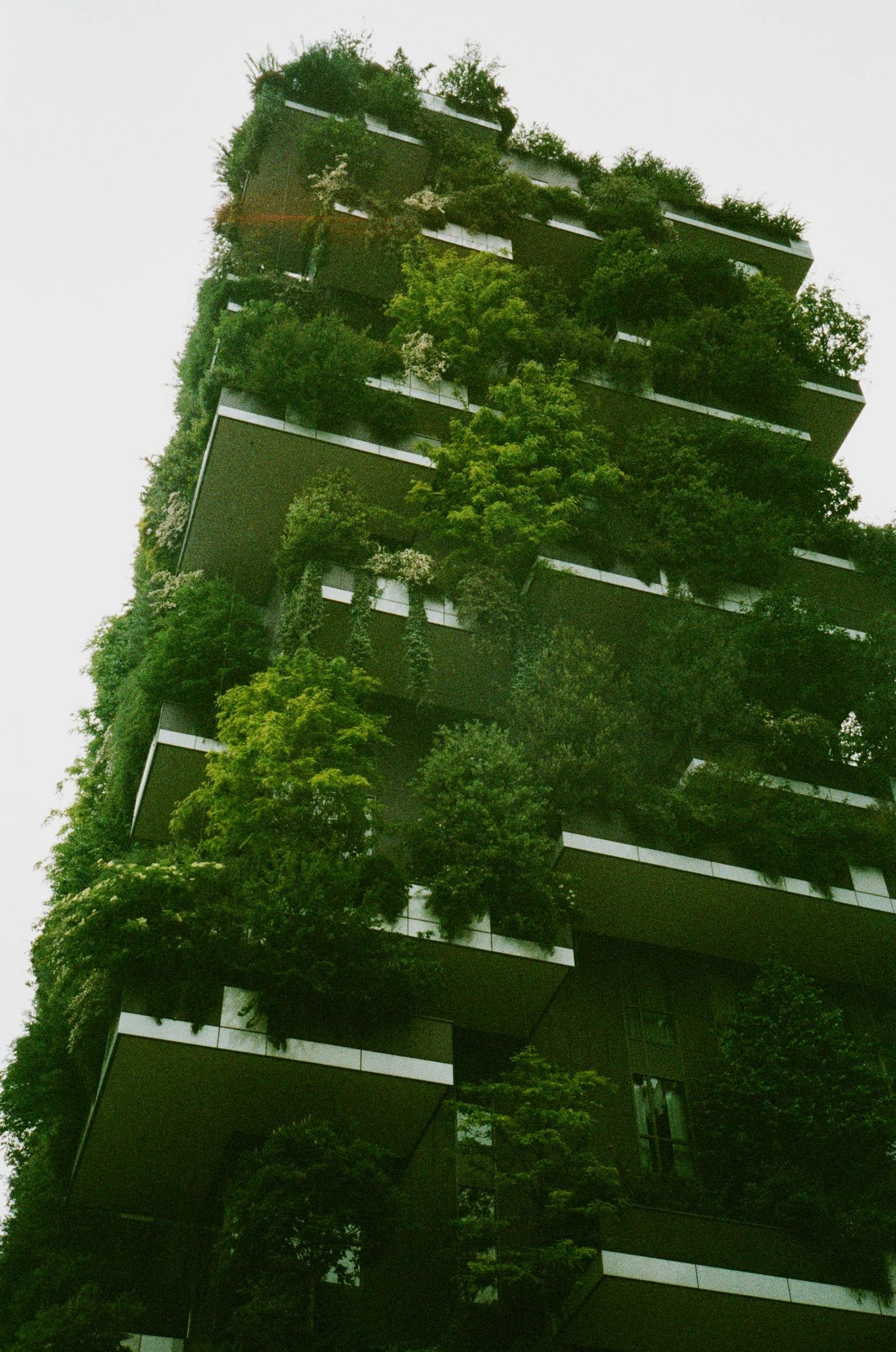
in the early light, i walk through hushed streets, overtaken by ivy. it’s dark and cool from the canopy of trees and the balconies of sunbleached apartments towering overhead. when i look up to dodge some branches, i stop—watching a lone lemon hanging from the third story, drooping from its weight on the vine—trapped silver in the sun.
15 june
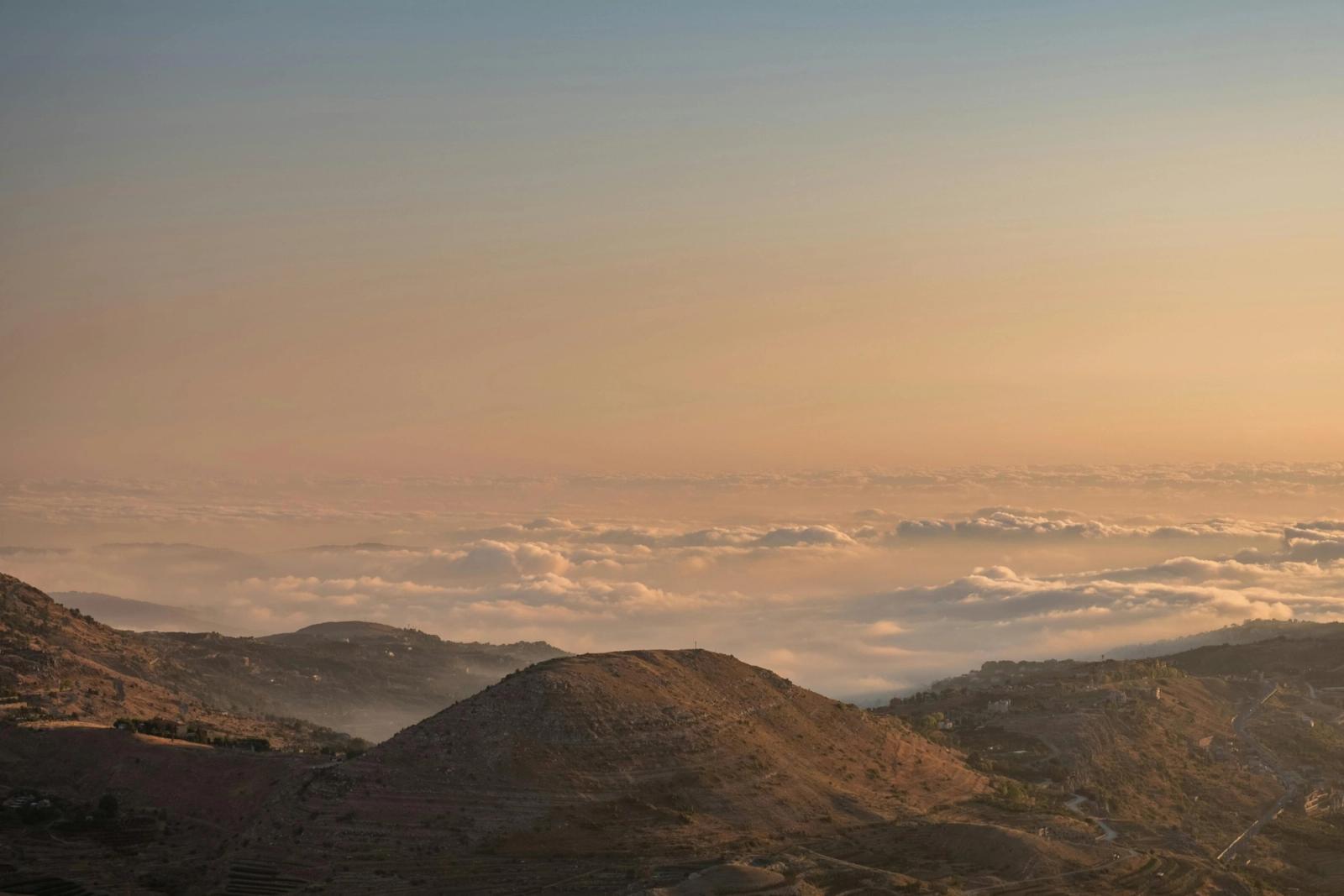
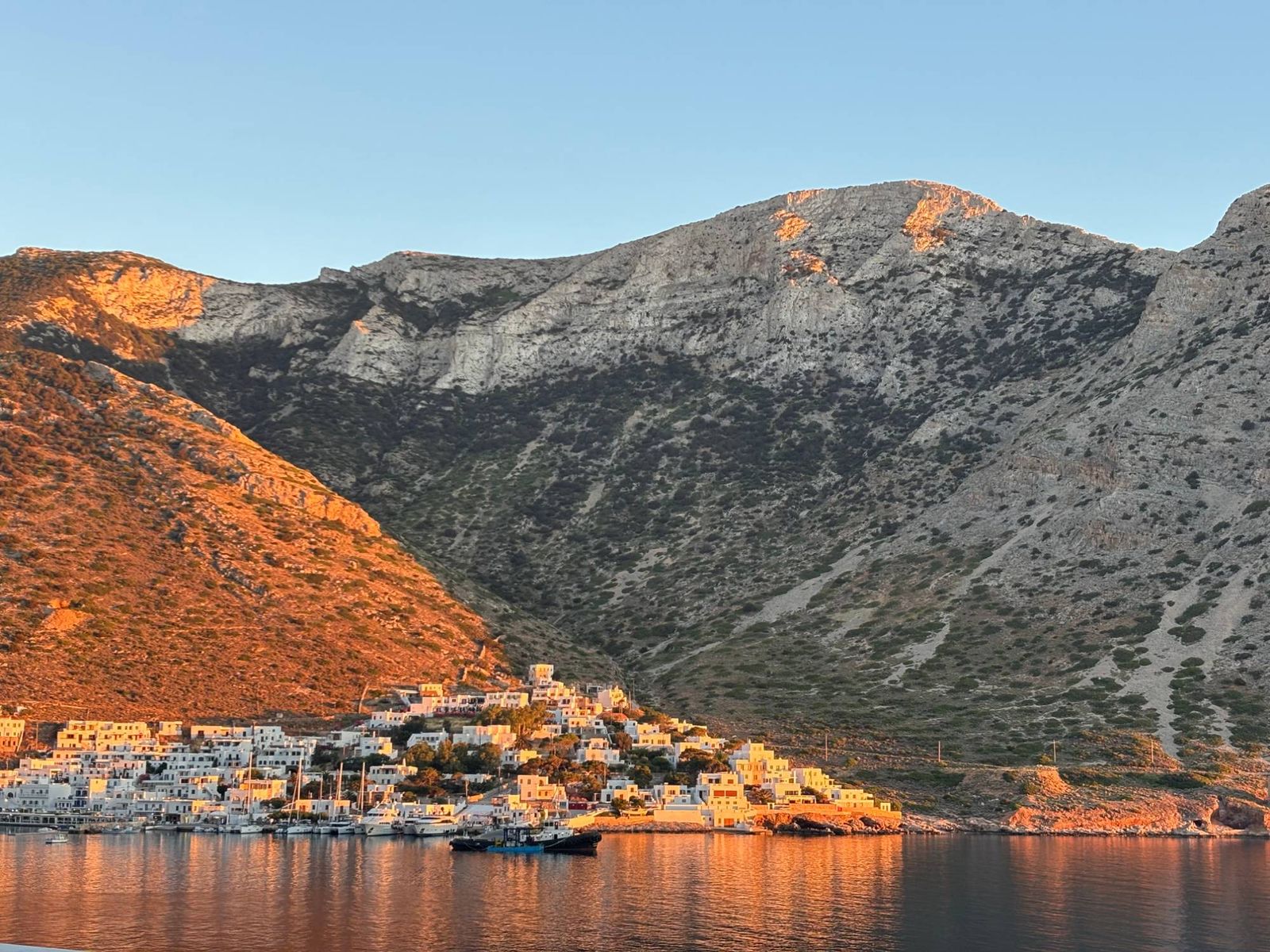
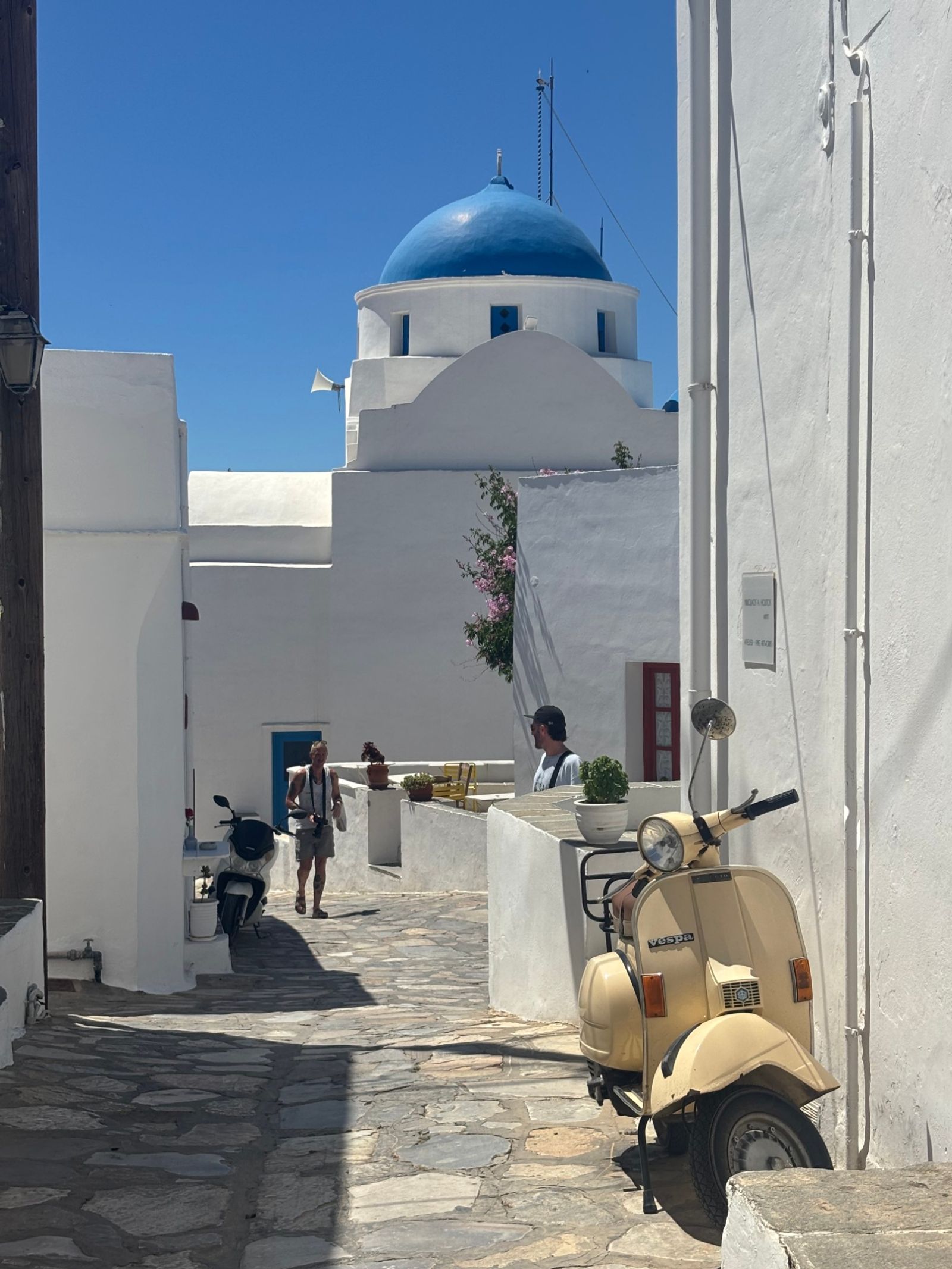
the stark white houses form a u-shape around the bay of kamares, sailboats motionless specks of white and steel in the distance. the mountains that hug the harbor remind me of the bay of kotor in miniature. the water keeps flickering—from teal to grey to turquoise to cobalt—depending on the angle of the sun.
the bed and breakfast i’m staying at sits between the aegean and a half-paved road. i’ve been lying on their stark white furniture for hours now. my bum is bright red from the sun, and the aloe vera burns upon application; the married man in walthamstow sends an appreciative voice note after i send photos of the sun’s wrath on my nude body.
by the road, fuchsia desert flowers grow between broken walls, interrupting the stark white lines of limestone houses that descend into the sea. since arriving yesterday, i’ve listened for the waves slapping against sharp coves.
the owner of the bed and breakfast, an older woman named pepi, tells me that the island of sifnos is known for its many churches, defiantly erected in the face of ottoman control—and makes me promise that i’d keep count. she points upwards nonchalantly, and i follow her finger towards the first church—a chalk white monastery on the highest ridge above us, disappearing into the edge of the estate.
16 june
in kastro, i waddle into the kelpy water, scrabbling over mossy rocks to keep my freshly pierced nose above the surface. when i emerge, i dry myself in the heat, watching the water drip onto the pebbles by the staircase of the cantina. a handsome busboy slows beside me and says hello before carrying a load of dishes up to the cantina that looks over the beach from a steep overhang.
hovering over the deep blue, the cantina is stark white, stuck-up, and beautiful. all the patrons had crisp london accents, their skin freckled red from days spent in the sun. at the entrance, i ask the hostess for a table for one—they eye the jade choker for a moment. she nods towards the wall lined with floor pillows by the entrance, which looks over the beachgoers ambling to and from the rocky beach below. i sit in the shadow of the staircase, and lie down on the cobblestone wall to read a translation by jane van dyck that hovers between english and greek.
the three staff members are young. they lean against the stoop behind me to gossip, greeklish colliding behind my reading as they polish silverware. two of the women speak slower greek, switching to english when the emotionality spikes. there is a man with spiked blue-black hair and a single earring, whom the women direct with a mocking command. he uncorks the orange wine with a slight tremor as i tell him i don’t need to try it. the women interrupt him, asking for water—please with ice, mewling in accented english. i imagine he rolled his eyes before dashing off to the kitchen, open-air beside the dozen patrons at the restaurant.
when he returns, the woman with dip-dyed curly hair asks him something in greek before cackling with delight. she bellows a wow in unaccented english. you’re from there? i’ve always wanted to visit, she coos, and he stays silent, cheeks flaming conspiratorially.
the freckled woman across from her, who patiently folds napkins to fill with the now polished silverware, dips her head toward my trucker cap, embroidered obnoxiously with a kotor logo, and tells me she missed her home in bosnia. she wistfully describes her family while gazing at the offing. they are still there. but, she starts, i’ve been here for six years now, and i am very much in love with the islands—she sets down the napkins to tuck her hair behind her left ear—before noticing her reflection in the spoon.
from the beach, the father and son trudge up the uneven stairs to the cantina’s entrance, dripping gray dots onto the stones.
the father drops seawater onto the linen runner leading to the terrace, and asks for a table for two. sorry, the women chime immediately. they hand him a slip of paper from a hidden pocket with the restaurant’s number printed in a loose hand, before reminding him that they were completely booked out till autumn, but to text, and not call, if he’d like to try them again. the son hunches over the cat, who looks disturbed by the squelch of their sandals. she curls up in a ball by the shadow of my legs as the father and son plod back down the stairs.
the cat by my feet stops mewling when i put my water glass by its head—she drains the glass and threads through the shadows from my legs. i look up and watch the father and son walk onto the beach again. they dive into the water and swim out to their speedboat. the son looks at me from the front of the speedboat, watching back, as they splutter out into the open blue.
17 june
i’ve booked business-class seats on the ferry back from sifnos to athens thinking it would be bumpy, but i end up outside on its observation deck. i’m soaking wet, droplets from the wake misting around me as i watch the sun reach its highest point. i stub out my next cigarette in the pebbles of the ashtray: they have the same grain as those from limanakia.
as we approach athens, the sky becomes cloudier, and passengers appear on the side of the ship, pointing at strikes of lightning that flicker and disappear like grapevines overhead. there’s a haze of indigo where the rain hangs in front of us—and i watch a teenager cup his body around his younger brother to protect him from the rain.
i stay on the starboard through the showers while passengers disappear again, shrouded in a light mist, as we cut through the last stretch of once-blue waters. i watch the powerful wake disappear into the grey. a man with tanned skin and faint eyes wearing a snapback i recognise from an east london cafe rolls me a cigarette, lighting it for me, filter against lips. we sit in silence until the boat stops moving, and the nutty tobacco burns out against my fingers.
by nightfall, i’m back in athens, meeting alex, a friend from new york, in exarcheia for drinks.
i tell him i’m nervous about returning to new york—not meeting his eyes. his eyes widen slightly, and he reminds me that there are so many arms reaching out to receive me home. he pauses, turning towards the street, and tells me we’re receiving quite a lot of attention from queer men walking past the bar. a smirk stretches across my face, and i look at his dark features directly. i tell him that, after all, tourists live for attention.
22 june
while scootering around Paros, the meltemia throws up small stones that judder against my helmet.
i’d stood in the sun for half an hour finagling the lock box on the back of the piaggio when two local women with curly blonde streaks tried to help, to no avail. i had intended to scooter to another nude queer beach, but my sense of direction placed me on the opposite side of the northern coast. walking onto the beach, i find it teeming with girls with slicked-back ponytails and stacked gold jewelry, their bodies held taut beneath the sun, while their older men keep watch over the crystal waters, nursing their beers.
i drop the helmet onto the sand and lay out beside rows of couples on padded lounge chairs. i watch the girls find reasons to trouble the handsome waitstaff, backs arched to emphasize their curves, while their partners scroll on their phones in the shade—sky blue waves drowning out each other’s conversations. some men rub body shimmer onto the girls until their skin reflects silicone in the sun.
on the tables between couples lie bottles of sparkling wine and juices, brought in massive ice buckets that sit untouched even after the couples leave. the crystal glasses beside me sit decoratively, too, accumulating sand that the wind blows into them, swirling with every gust.
i doze off in the sun and wake with swollen red bug bites on my legs, skin raw and plastered with sand from the wind. i’m not sure where i am, world tinted yellow from the sunglasses pressed onto my face.
the beach is mostly empty now, and the shadows of lone beachgoers elongate in the evening. the water is baby blue as small waves snake along the beach. in the distance, there is a faint outline of a mountain ridge that i recogniSe belatedly as antiparos, emerging from darker waters—faint yet undeniable.
27 june
back in Athens, a woman named Idris sits on a quiet side street in exarcheia with her husband, who leisurely reads an outdated newspaper beside her on their stoop. he turns the page every few moments, then turns it back, squinting at the small text. she fills a pot from a large water bottle by their cardboard studio, and sets it down before squirting the last of a bottle of dish soap into the water. she scrubs: he leafs through another page. her brows are furrowed, but her posture is relaxed, her back curved with age over the pot, gaze trained on its shine. she rinses the pot with the last of their bottle, and sets it back down. it gleams.
the wind gusts through the bitter orange trees, dropping several bright ones around us—one rolls on cracked marble to my feet, while another strikes one of their cardboard walls—deflating it. the cardboard structure shudders at the next gust, and the couple look at each other before putting their delicate palms against the walls, watching the trees dance, holding up their home.
28 june
the speedometer holds at 140, and he reaches for his phone, scrolling back through whatsapp to a photo of a church. he hands me his cracked phone. i look at grainy photos of the Agia Sophia cave, where the frescoes of the saint and her three daughters—love, faith, and hope—stand guard at the church’s entrance.
Georgios’ eyes are wide as he murmurs: this church was not only my favourite place in Greece. as an atheist, it was the closest i’ve felt to a higher power. he mentions that his parents were Vietnamese, but that they died after they arrived in Greece. his vowels stretch long and low as he tells me they were buddhist, and raised him in the orthodox church to help him adjust to life in Athens.
you’re vietnamese too? he looks hopeful. i tell him that i’m Chinese but was raised in the west, as he swerves the car into the leftmost lane on the empty freeway. we hit 160, and we gain on a lone car before it whips behind us. he looks into the rearview mirror and catches my eyes, his eyes crinkling, big teeth on full display—so you understand, he murmurs.
i tell him that i grew up with buddhist rituals, but that i spent time in chinese christian churches in New York during my youth. i treated what was presented more as literature than faith, skeptical of a god that looked nothing like we did. he studies me as i talk, arms steady on the wheel as he adjusts for small turns in the road. he slows imperceptibly at the toll booth. he rolls down his window and giggles with the greek attendant, who waves away his wallet. he looks into the rearview mirror, grinning, and mentions that he and Stephanie have recently become more than friends, reclining into his leather seat as he accelerates towards the lightening horizon.
so you’re an atheist too, he asks again in the rearview mirror. his eyes flicker hazel in the streetlights as we merge into the exit for the airport. i think i believe in community, i say with pauses, and that loving one another produces its own faith; i believe that remembering people is a form of belief. he nods, solemn again, gaze hovering over the asphalt.
he asks if i’ve ever returned to china. his face cracks open when i affirm that i have. he tells me he hasn’t been to vietnam since he was a child, but that he didn’t want to go back—that there was something insidious in returning to his home now to experience it as a wealthy foreigner, as someone who used to actually belong. his knuckles white against the plastic wheel. i would hate to leave my home, he murmurs, looking into the lightening indigo sky. my jade bangle i had haggled for in Saigon clanks against the window as i adjust my seated posture.
we’re suddenly at the departures terminal, and he gets out of his car to bring my bag to the sidewalk, propping it up against the street lamp. he turns back to me with a large smile.
it was lovely to meet you, cousin. he wraps his lanky arms around me. he smells salty, of a sea.