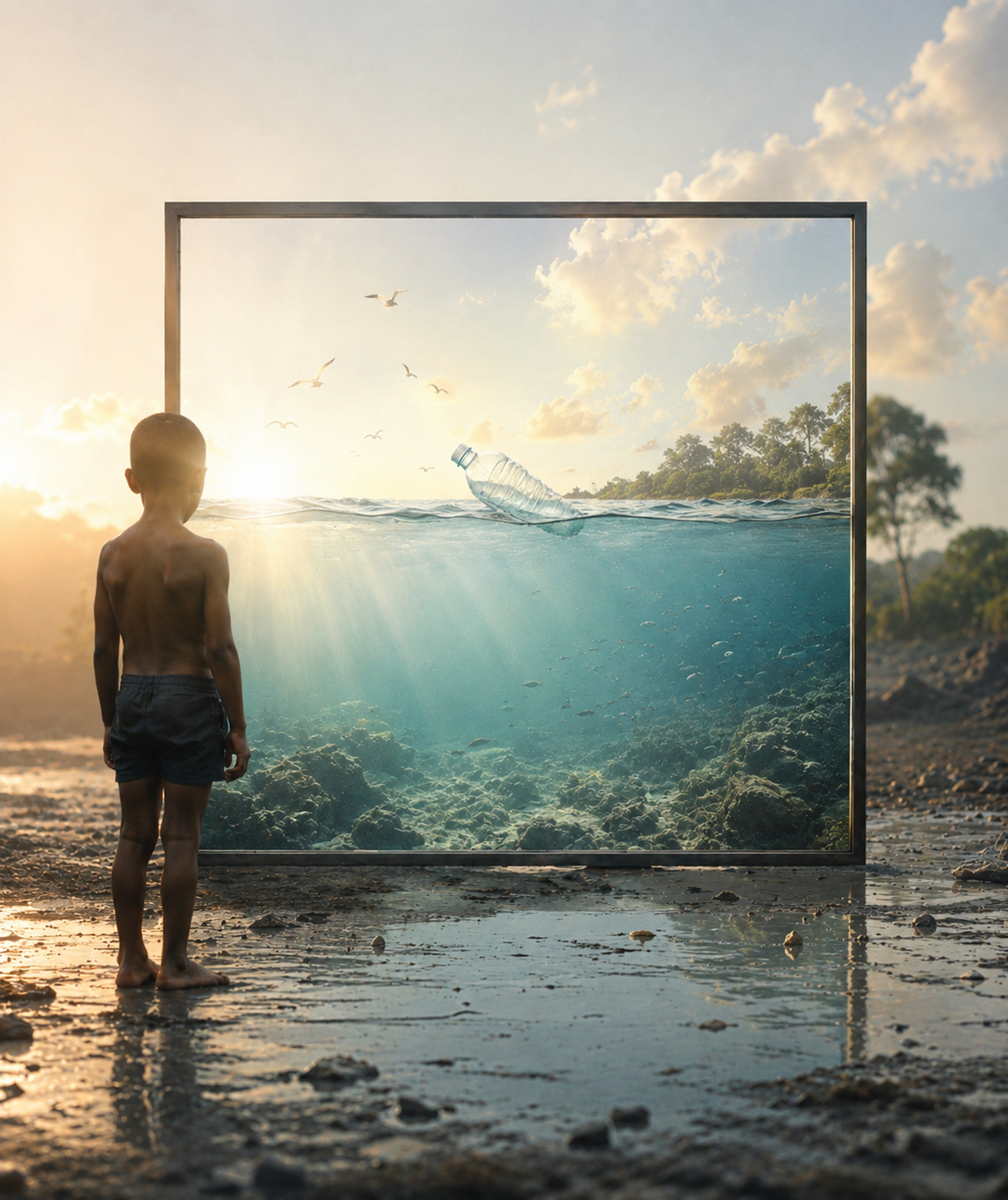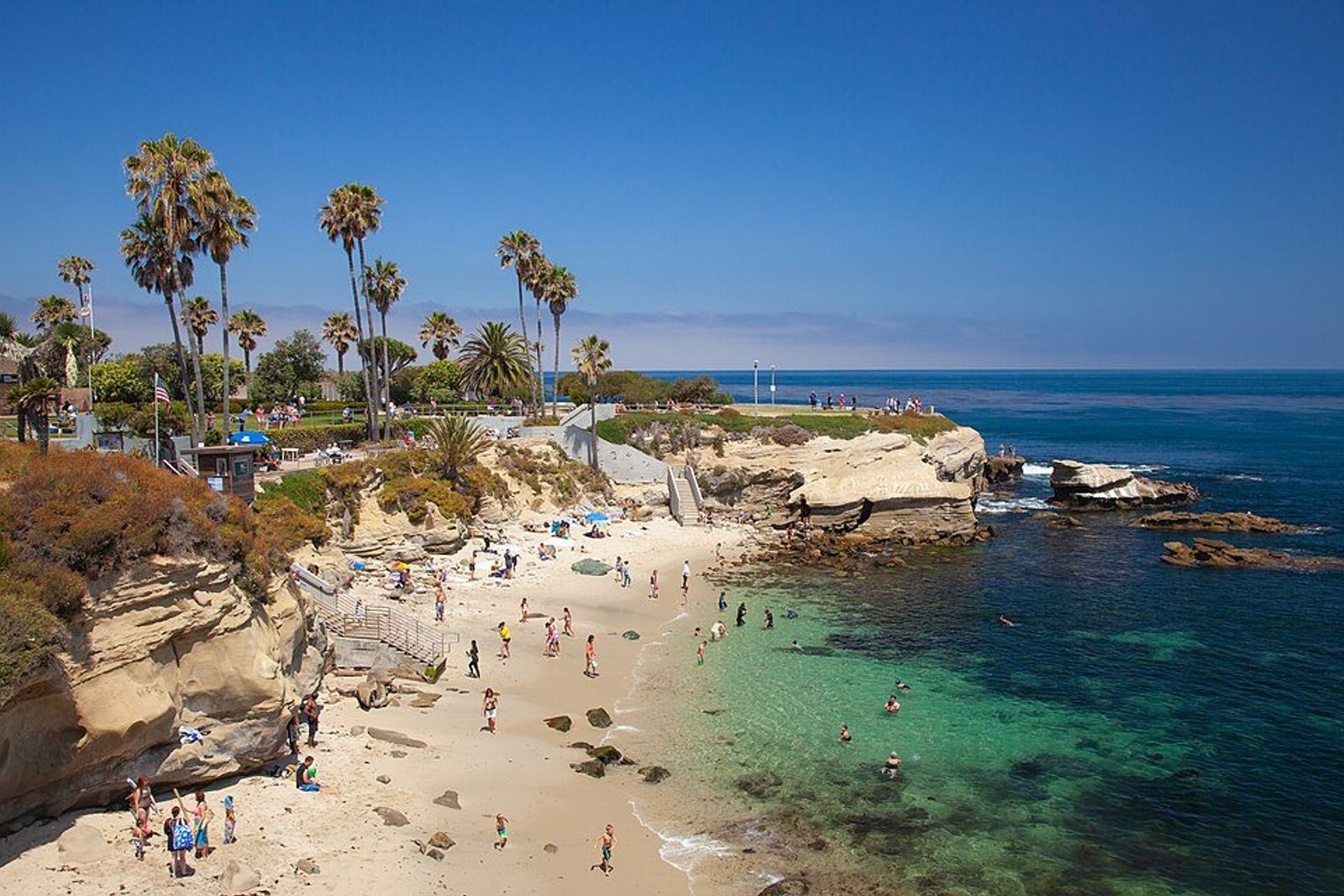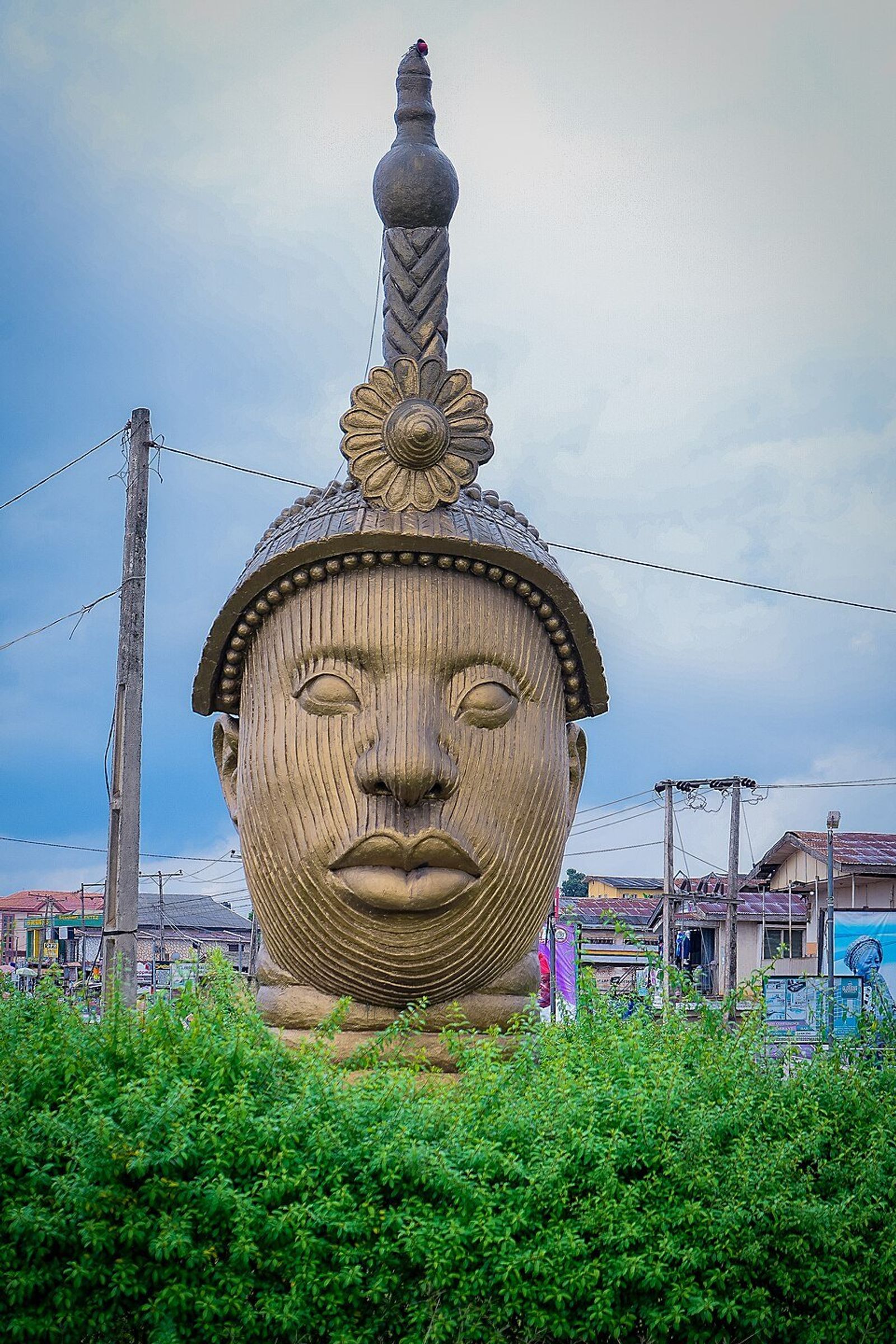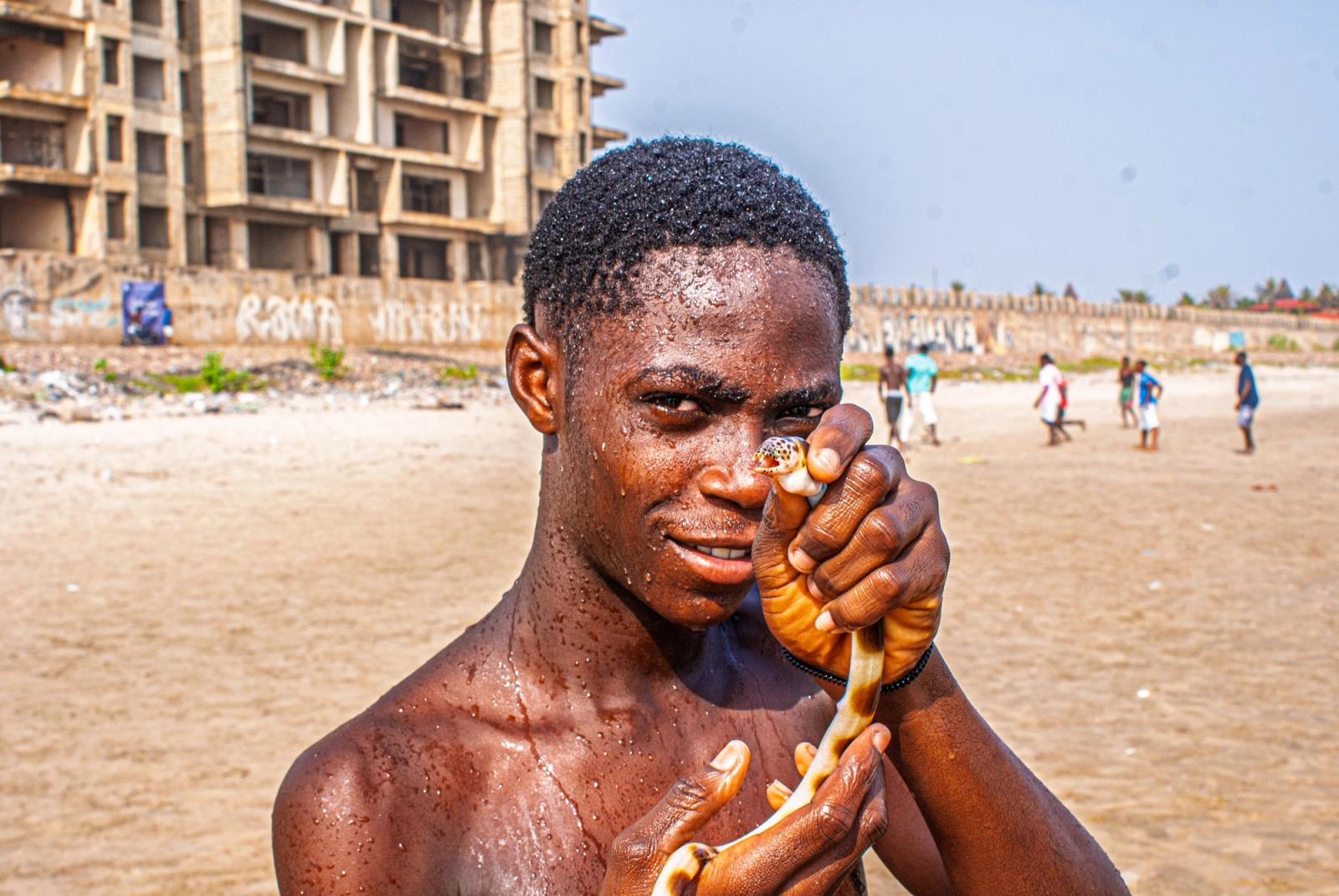
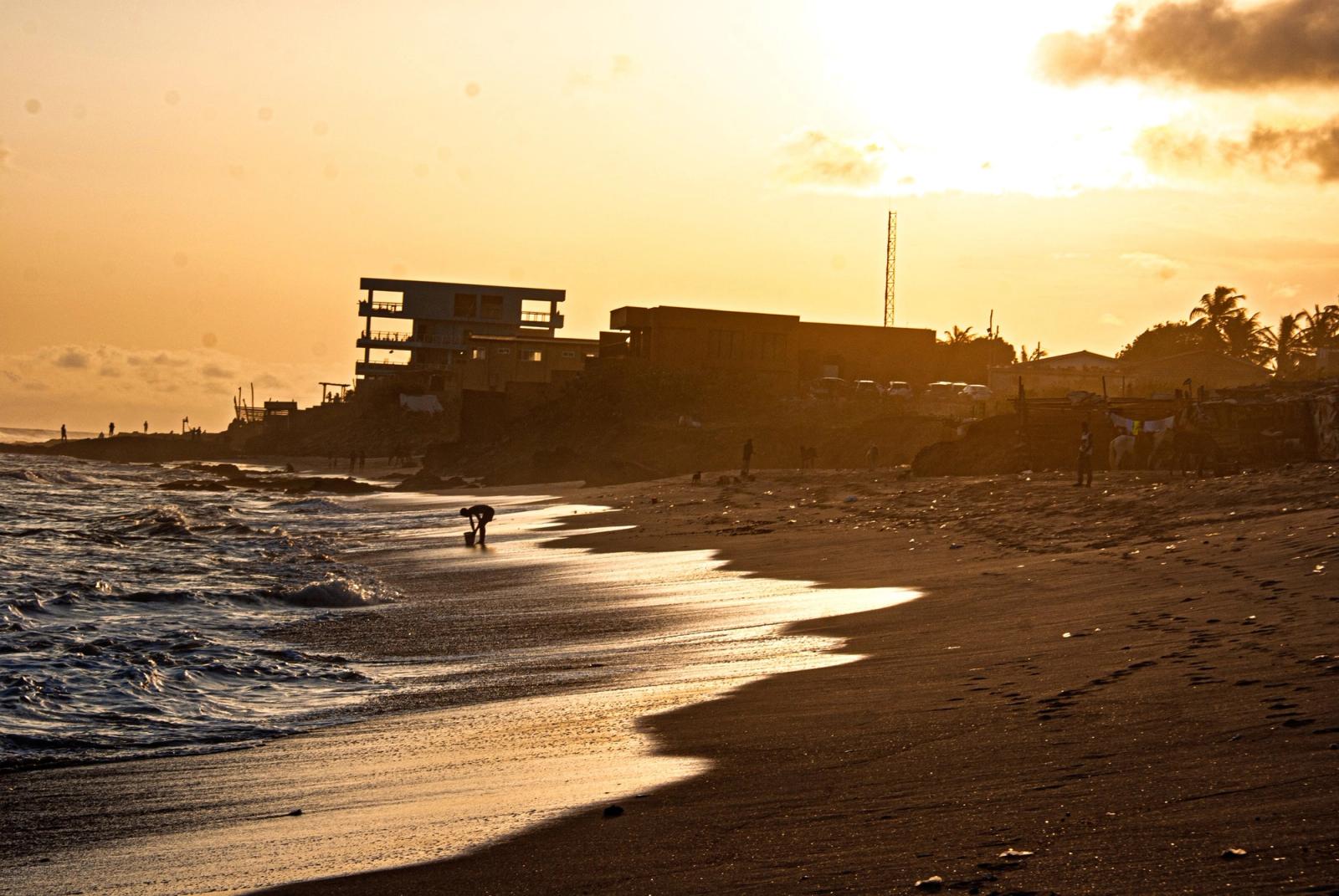
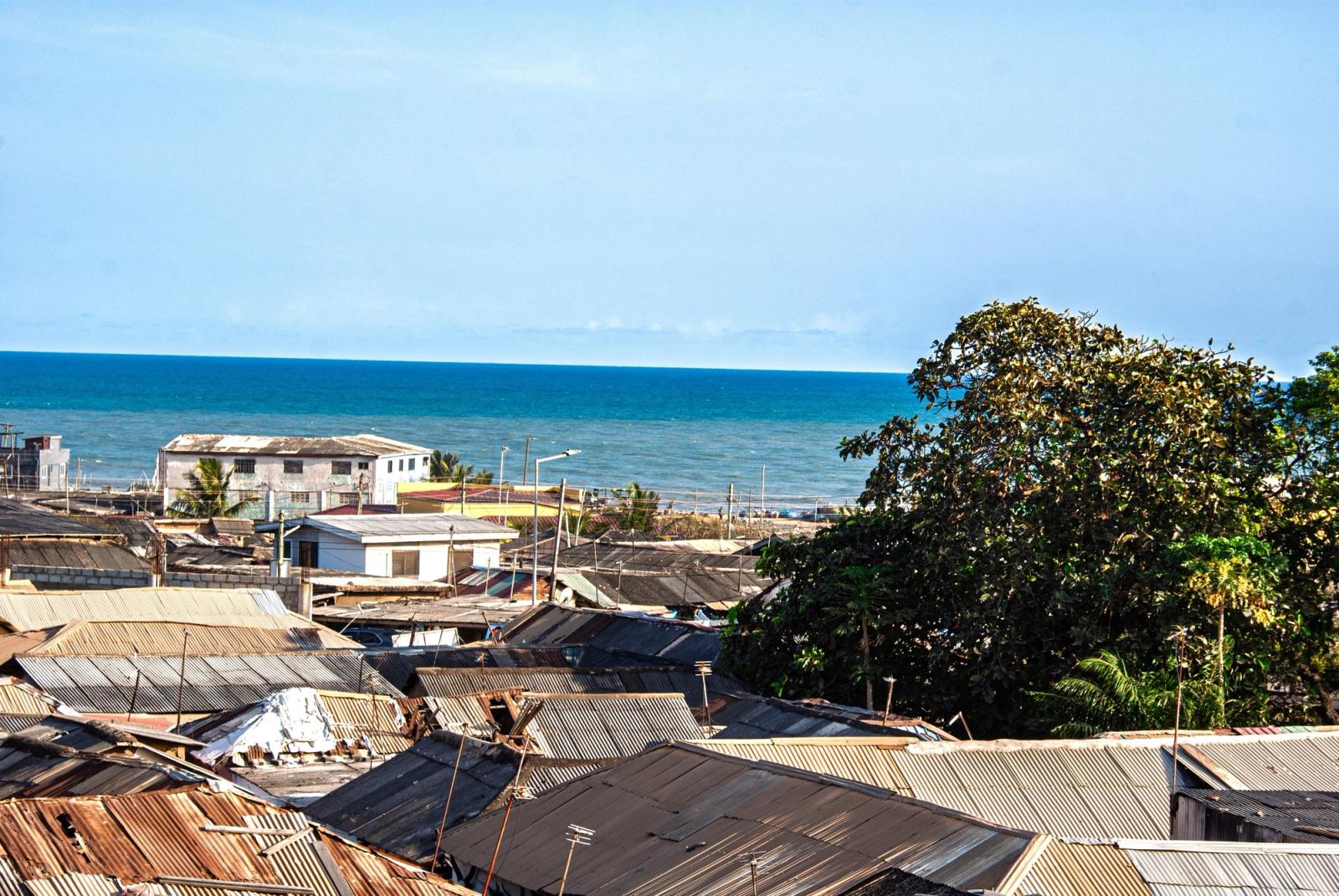
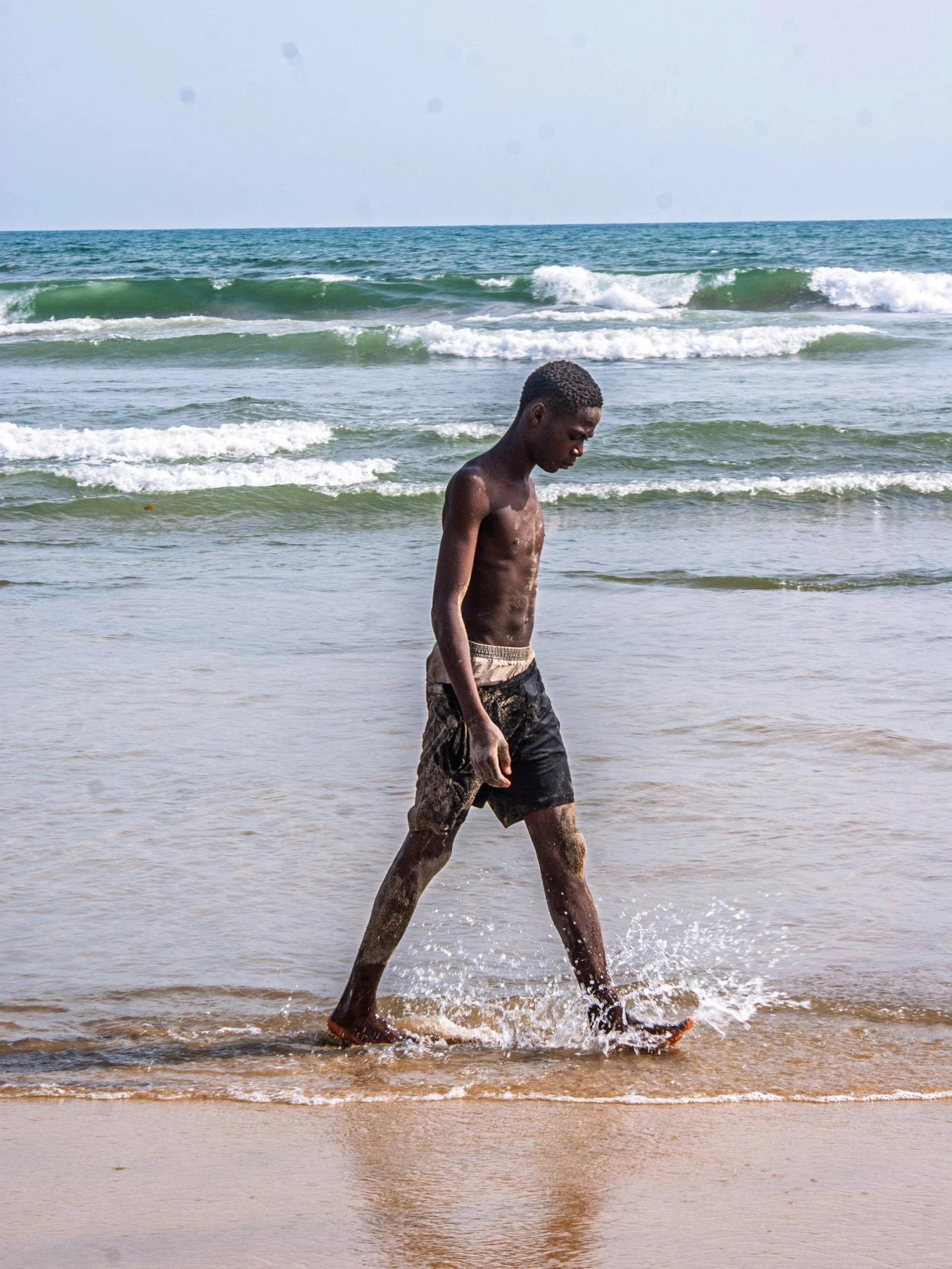
Our photo series, “Tainted Waters: Pollution, People, and Resilience,” examines how polluted rivers, lagoons, and shorelines shape daily life across Ghana, tracing the intimate ties between water and health, work, ritual, and play.
These images bear witness to the quiet struggles of communities living beside tainted waters, showing how contamination seeps into livelihoods and cultural practices while also revealing the everyday ingenuity people use to cope. Above all, the series honors resilience: the ways neighbors adapt, protect what remains, and insist on repair even as the waters that once nourished them are harmed. Ghana’s water pollution is long-standing and has intensified in recent decades. By the 1990s, the Korle Lagoon in Accra was already infamous for its filth. Waterways like the Korle Lagoon and the Korle Odaw River in Accra, once full of life, are now clogged with waste from homes, factories, and city runoff. In mining regions such as the Pra River and Ankobra basins, small-scale gold mining, known as 'galamsey,' has added mercury, arsenic, and heavy sediments to the water, putting both the environment and people's health at risk.
The situation is made worse by poor sanitation, open defecation, and illegal dumping, while industrial and plastic waste continue to flow into rivers and lagoons. Because waste collection and treatment are lacking, much of Ghana’s freshwater is now unsafe for drinking, fishing, or farming. Experts warn that pollution in some rivers is thousands of times higher than safe levels.
The impact on people and the environment is huge. Fishing and farming communities have lost their main sources of income as fish disappear and crops are tainted by toxins. People living in poor urban areas and slums often face outbreaks of diseases like cholera and diarrhoea. Rivers and lagoons that were once important for local traditions are now polluted. Still, many communities are fighting back.
They organize cleanups, plant mangroves, and raise awareness through activism and art. People like Yvette Tetteh and local groups are making the crisis more visible, showing that Ghanaians are not giving up on their water. Their efforts, from small neighbourhood projects to national restoration work, show a strong commitment to bringing balance back between people, nature, and the water that support them.
This project is taken by Prince El-sha Martey of Agbawe Archives.
Prince El-sha Martey is a Ghanaian photographer and visual storyteller whose work explores everyday life, memory, and place within Accra’s urban landscape. As a contributor to Agbawe Archives , his photography documents neighborhoods, people, and overlooked moments, preserving visual narratives that exist between history and the present. Through a documentary - yet intimate - approach, his images reflect themes of resilience, environment, and human connection, offering quiet observations of life shaped by culture, space, and survival.