Where the water used to fall
Deana Kotiga reflects on her Croatian homeland through her accompanying photographic project, tracing how environmental change unsettles memory, place and belonging.
Sarah needed to get out of Paris.
It was her second time in my hometown, so she moved through it easily: she’d eaten the fuži, wandered the narrow streets, gone truffle hunting with my dad. This time, she didn’t need to perform discovery. She wanted quiet. Something that felt like the everyday.
The trail was called Sedam slapova: Seven Waterfalls. A place locals go when they want a Sunday that feels like a holiday. It's not remote, but it isn’t curated either. There are no signs in English. No parking meters. Nothing that would make a tourist stop and say, this feels like an entrance to something special.
We walked for hours, getting lost more than once, mostly because I’d refused to download a map while we still had signal. I told her I knew these woods like the back of my hand. I didn’t.
At first, we thought we were going the wrong way. There were no waterfalls. Just the occasional weathered sign in Croatian, marking the name of a fall that wasn’t falling. We passed all seven. Dry beds. Empty drops. Carved stone.
Then we realised: we were on the right path.
It was nature that wasn’t.
What is a waterfall without water that falls?
Istria has always been shaped by water. The truffles, the vines, the fruit - they all depend on it. But the balance is shifting. The seasons stretch thin. Summers linger too long, the heat turning the sea thick and airless, too warm to swim in. Rain doesn’t come; and when it does, it arrives all at once, in violent storms that snap branches, upturn boats, and flood the fields. Winters hesitate. Grapes ripen too fast. Olives wrinkle on the branch before they’re ready. By July, the forest floor begins to crack.
Tourism thrives. There are more yachts, more wine bars, more houses with English names. But the rhythms that once held the region steady - planting, pruning, resting - feel dislocated. There’s a kind of dissonance in the air. Even the cicadas sound out of time.
Years ago, I worked on a documentary about Mount Chacaltaya in Bolivia, once home to the highest ski resort in the world. It doesn’t exist anymore; there’s no snow left. The chalets still stand, angular and out of place. Ski lifts hang mid-air, rusting. A whole infrastructure remains, built for a season that never returns.
It’s not just Istria. It’s everywhere.
We kept walking. There wasn’t much to say. The water was gone, but its absence was a kind of presence. The sound you walked without.
Project by Deana Kotiga, a photographer, cultural researcher and cultural strategist.
More in Arts
All stories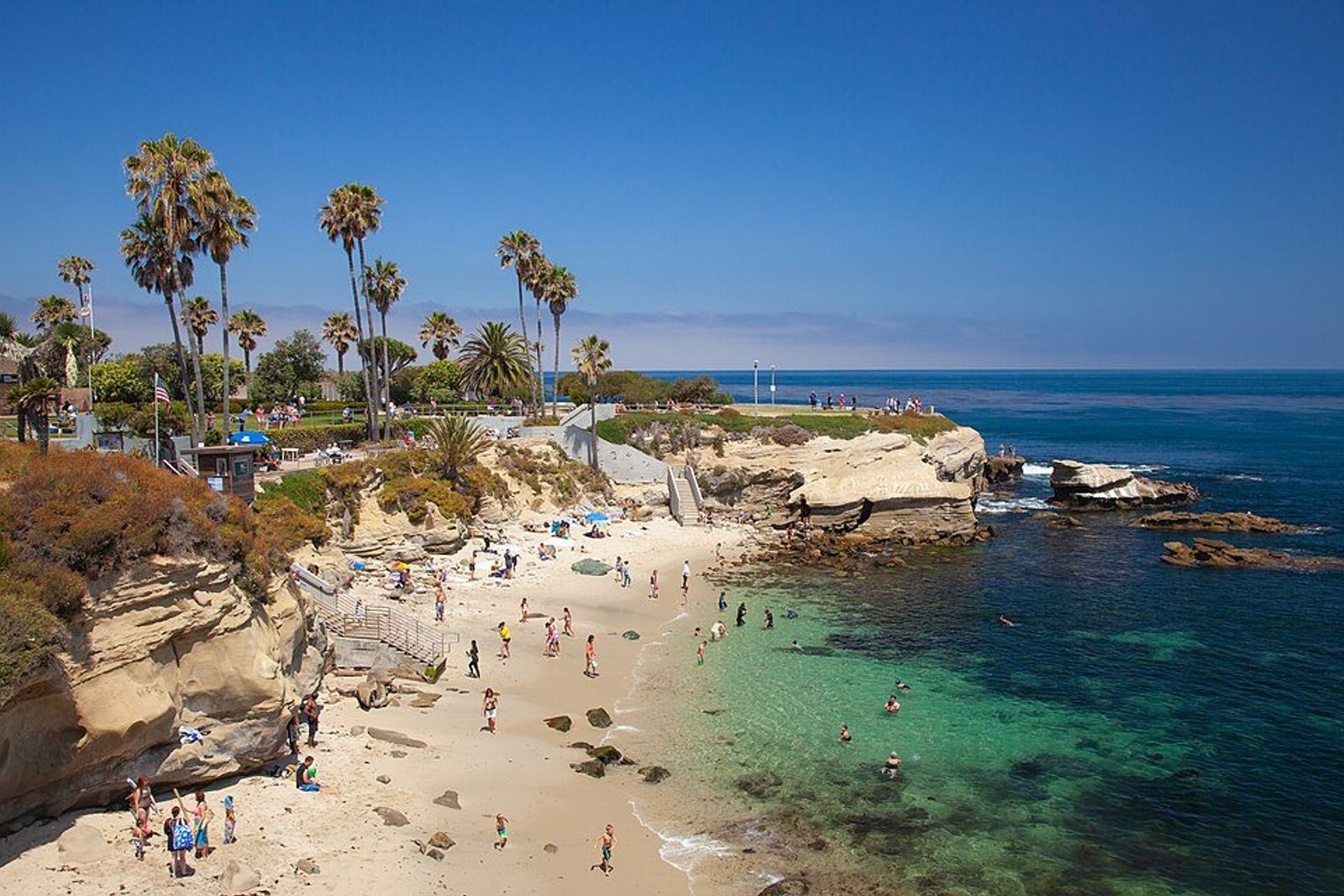
The Coast And Divine Water
A collection of poems by Mira Hagiwara Gupta exploring water as a space of intimacy, spirituality and emotional transformation across love, memory and ritual.
Written by Mira Gupta
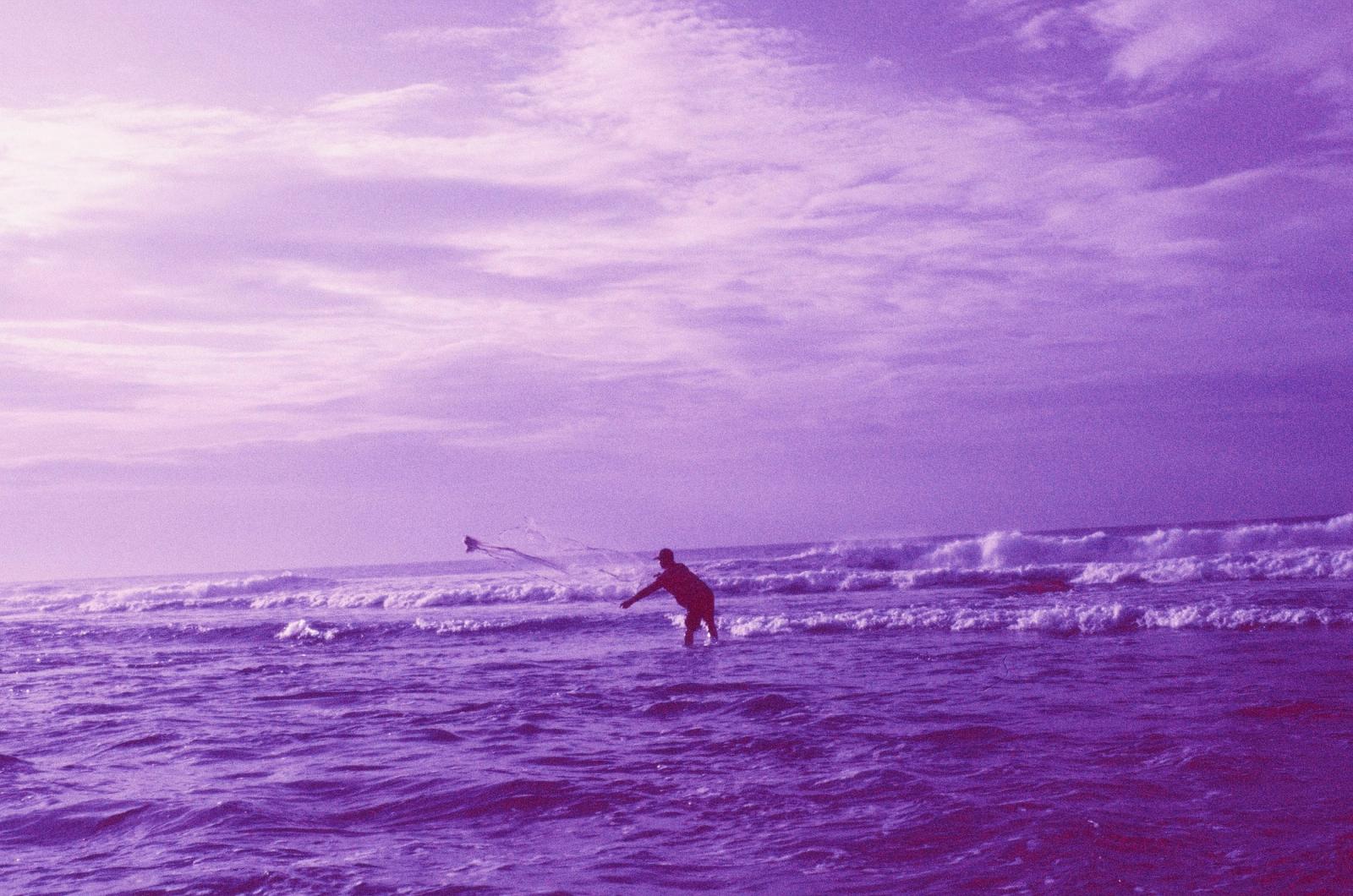
Aerochrome Coastlines
Using rare Kodak Aerochrome film, Mil Donila captures Philippine coastlines in striking infrared tones, reimagining a medium designed to reveal what lies hidden.
Written by Mil Donila
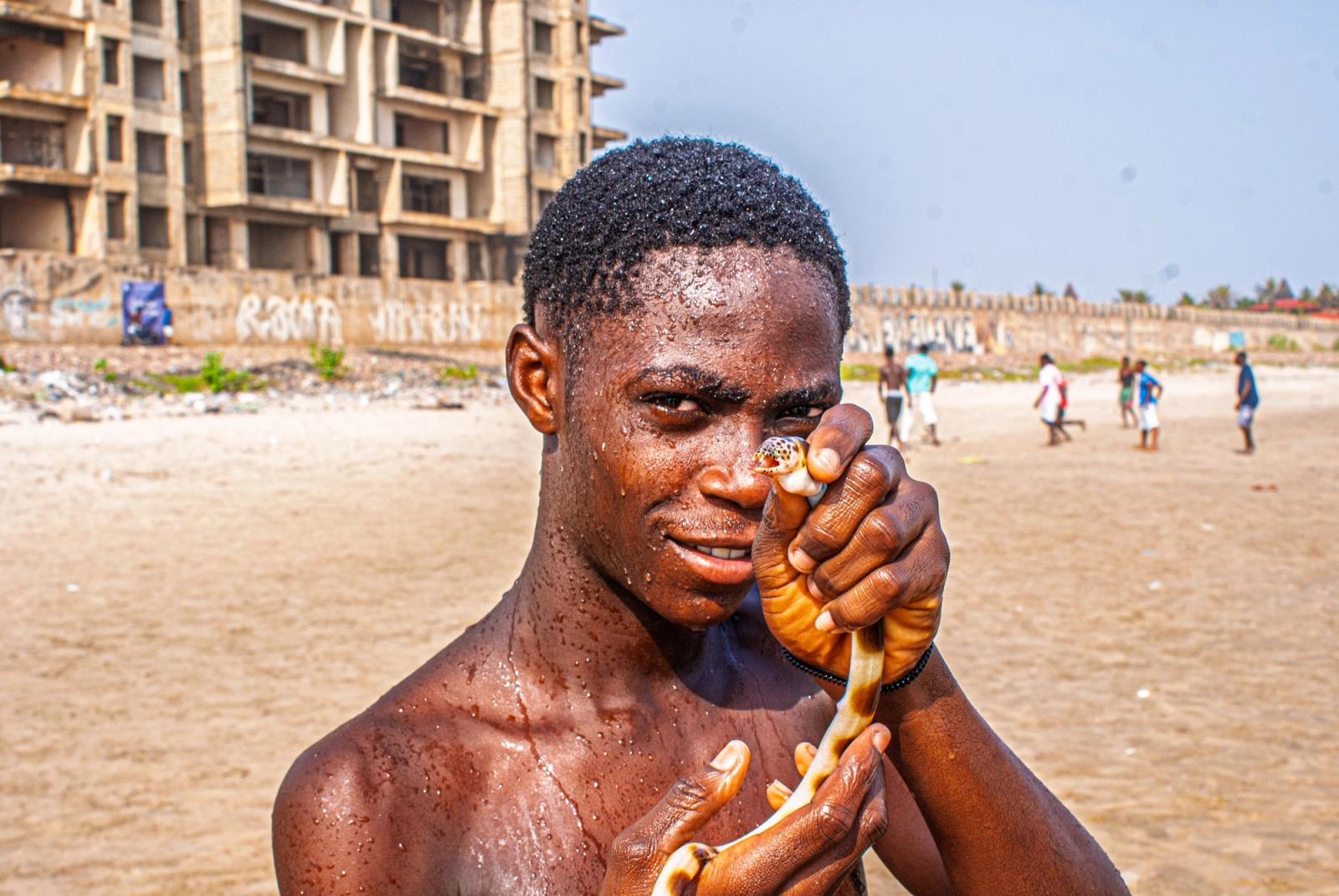
Tainted Waters
A photo series by Prince El-sha Martey documenting life along Ghana’s polluted rivers, lagoons and coastlines.
Written by Prince El-sha Martey