Water reminds us of our sacred responsibility to care for our survival and the survival of our environment. Water carries weight both in politics, sports and spirituality. In the book Undrowned by Alexis Pauline Gumbs, she highlights the intersectionality of the experience of Black people, especially Black women and that of marine mammals through a Black feminist lens. One of the most important lessons I learned from Gumbs is that the evolution of our marine ecology occurred in direct relationship to the very violent and traumatic history that occurred during the Atlantic slave trade. The ways in which marine life and aquatic biomes have been influenced and shaped by colonialism reminds me that water has always been political.
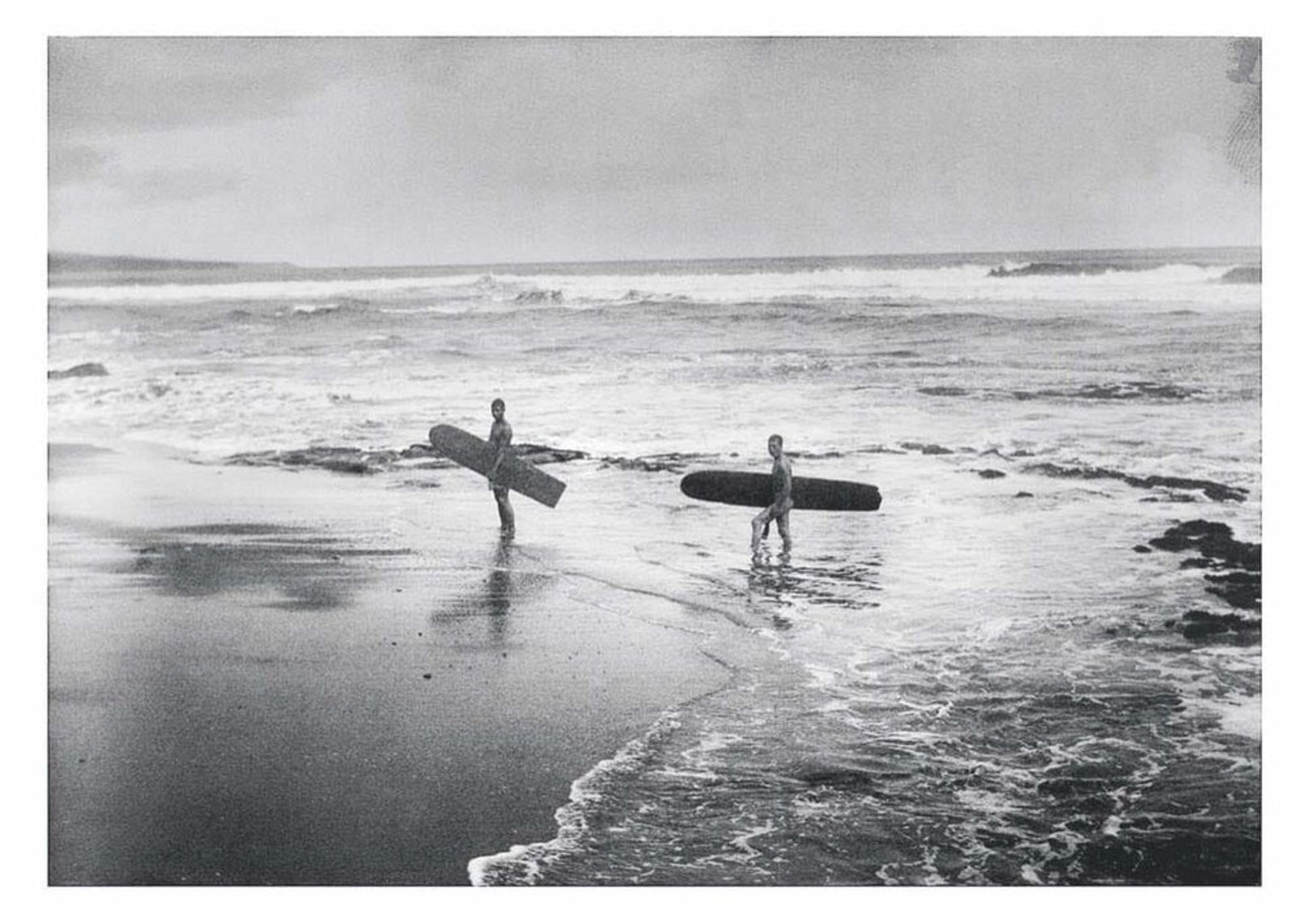
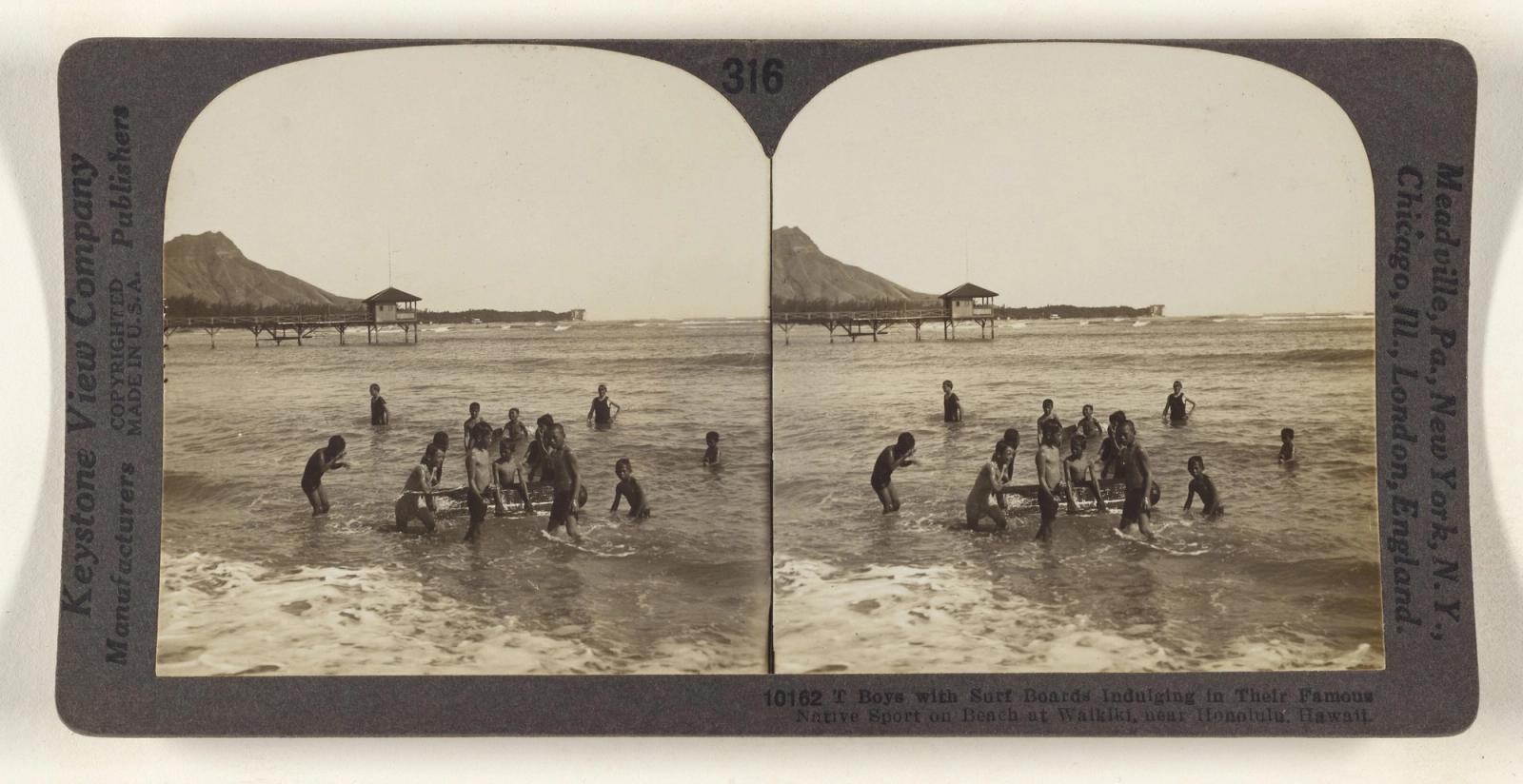
Not just historically, but also in sports. Surfing, for example, is a sacred practice turned sport that originated in Polynesia dating all the way back to the 12th Century through cave paintings. The first written documentation of surfing was found in James Cook’s diary. Surfing has always been part of the culture of the Pacific Islands. Today, we see the sport being a commonly white-dominated sport. The lack of accessibility, affordability and water-land use for Pacific Islanders and Native Hawaiians are part of the legacy of colonization and the forced cultural genocide imposed by European settlers and Western imperialism across the Pacific. In congruence with early examples of surfing among communities in the Pacific Islands, there is also evidence of surfers, canoeists, and swimmers along the coast of West Africa prior to the enslavement of African peoples in the Americas. Kevin Dawson’s book titled, Undercurrents of Power: Aquatic Culture in the African Diaspora chronicles the experiences of enslaved maritime workers, and explores the ways in which enslaved African people utilized their skills in swimming, diving, canoe-making and even surfing as they traversed aquatic environments and navigated the violent and oppressive system of slavery through waging their aquatic knowledge and skills.
The lack of diversity in the sport has a direct correlation to systemic racism, racial capitalism and is therefore inherently political. The relationship that Black people in America have to water is directly tied to slavery and Jim Crowe. The relationship that Indigenous people, Pacific Islanders, and Native Hawaiians have to water is directly tied to European colonization and the US occupation of the Kingdom of Hawaii. There is a clear historical connection here. There is a deep wound that needs healing and needs to be addressed.
Today, surfing is inching towards becoming a more diverse and inclusive sport. Hyperlocalized collectives and community organizations hold space for Black, Indigenous, and Queer/Trans surfers to gather in community, and create pockets of safety and support in the water. While I was living in San Diego, I came across organizations such as Un Mar deColores, as well as Paddle for Peace and ‘ For Our Neighborhood ’ where San Diego surfers and community leaders bridge the gaps for young Black and Brown locals, as well as the under funded and under represented in the community to learn water safety and surf. In my hometown of New York City, we have organizations and collectives such as Laru Beya, Benny’s Club and Sapphic Surf. Sports like surfing offer a unique entry point for diverse communities because it involves water. Even though we live and exist under racial capitalism, water will always exist beyond the labels, barriers and borders.