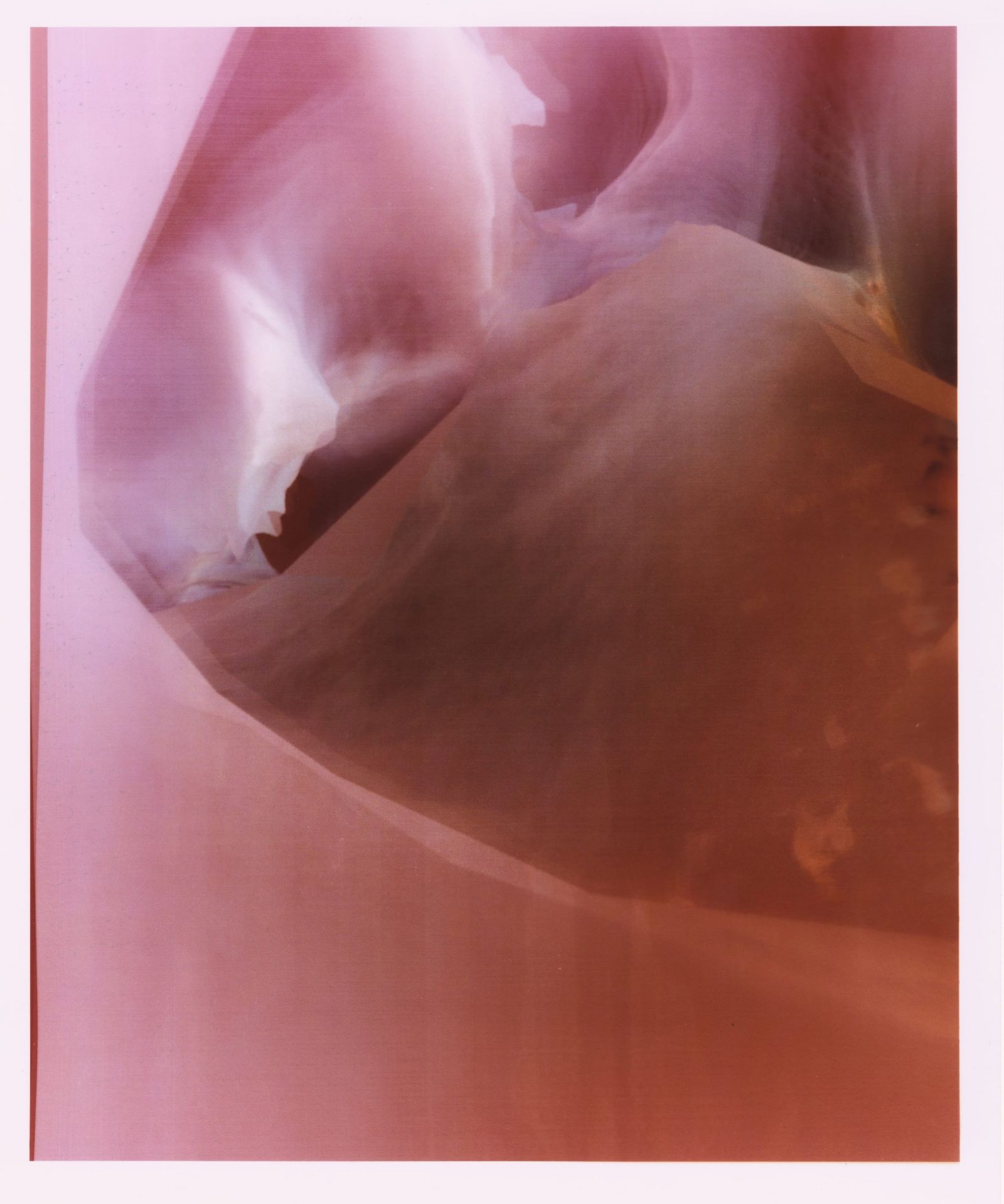
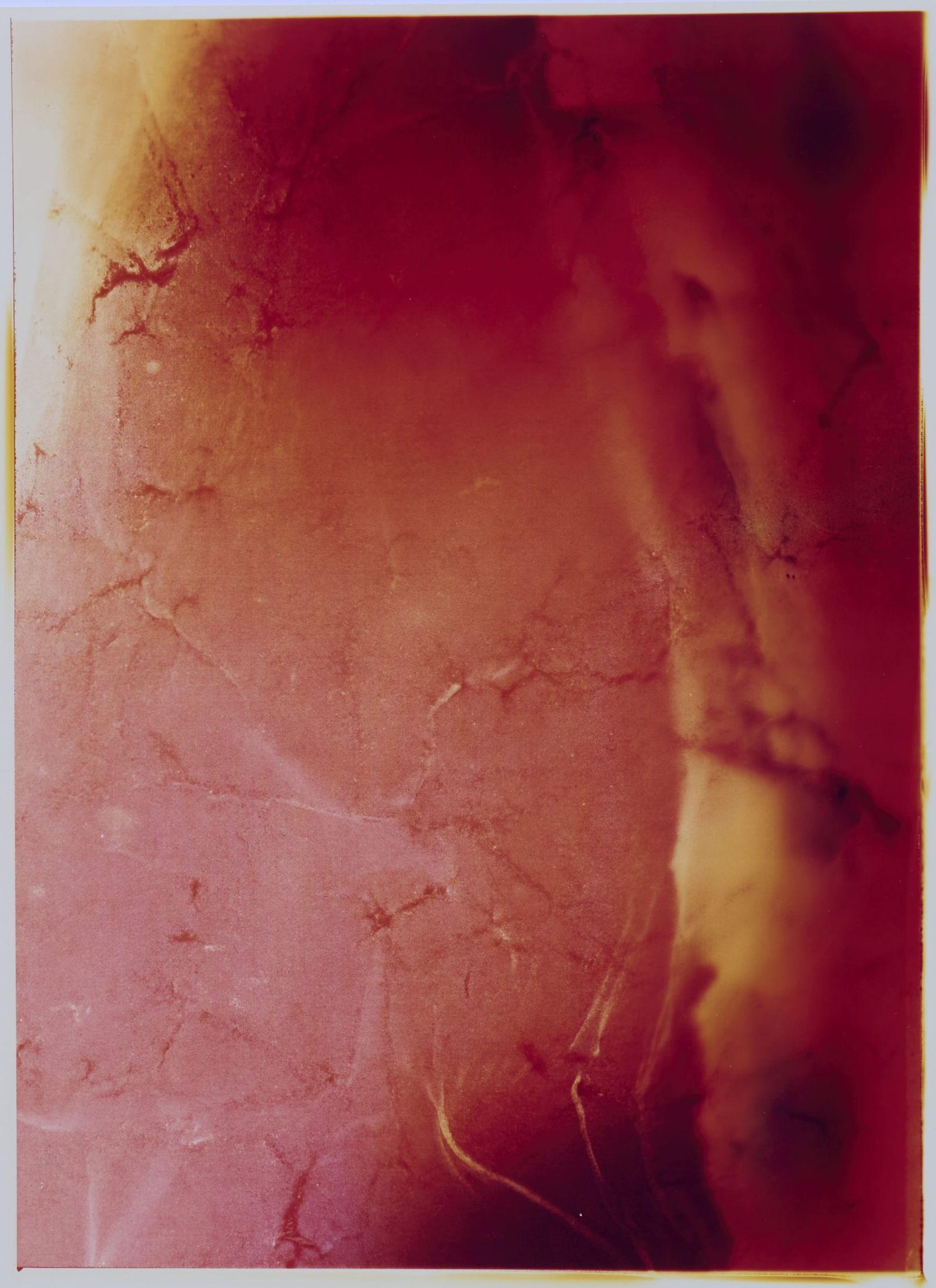
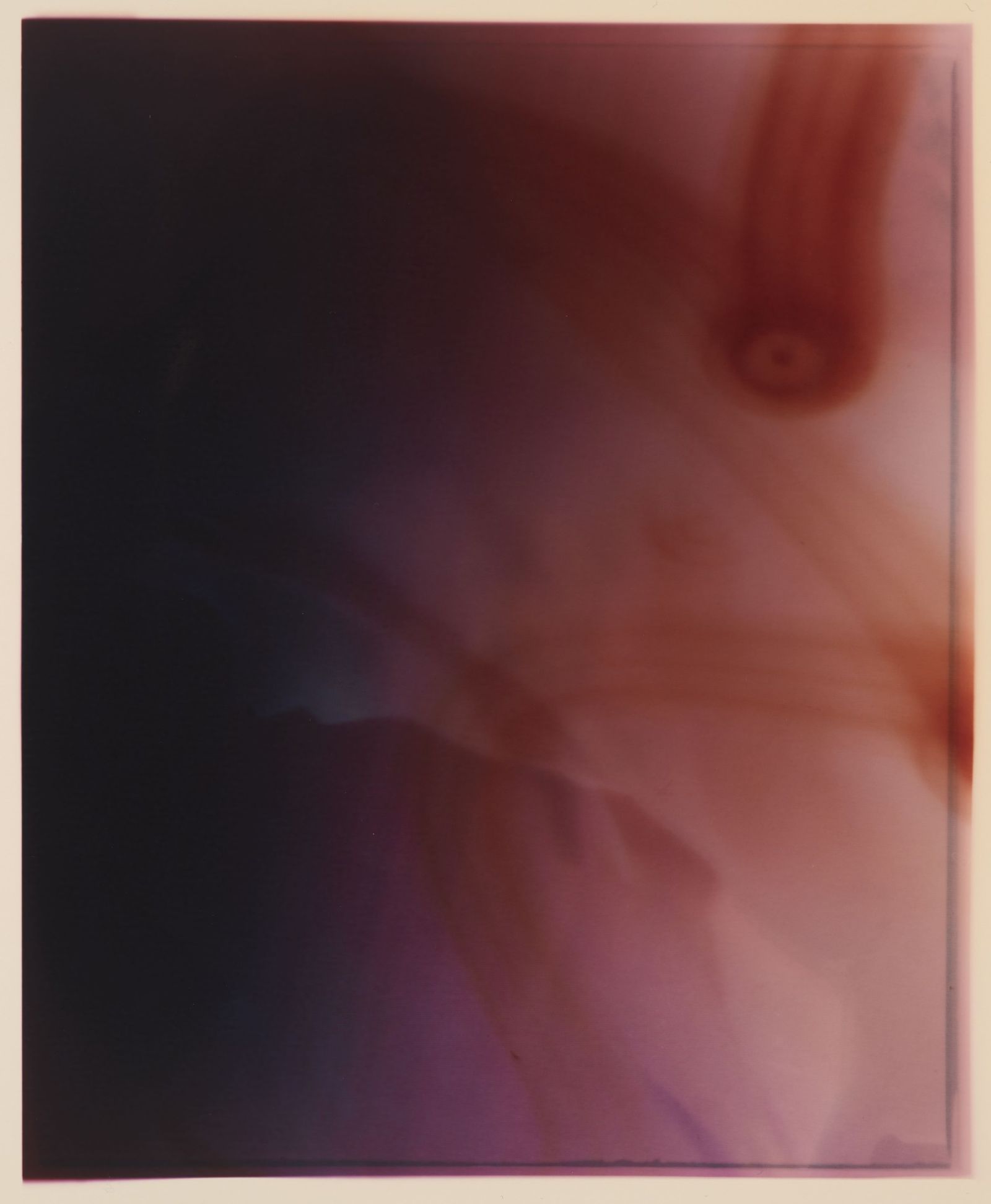
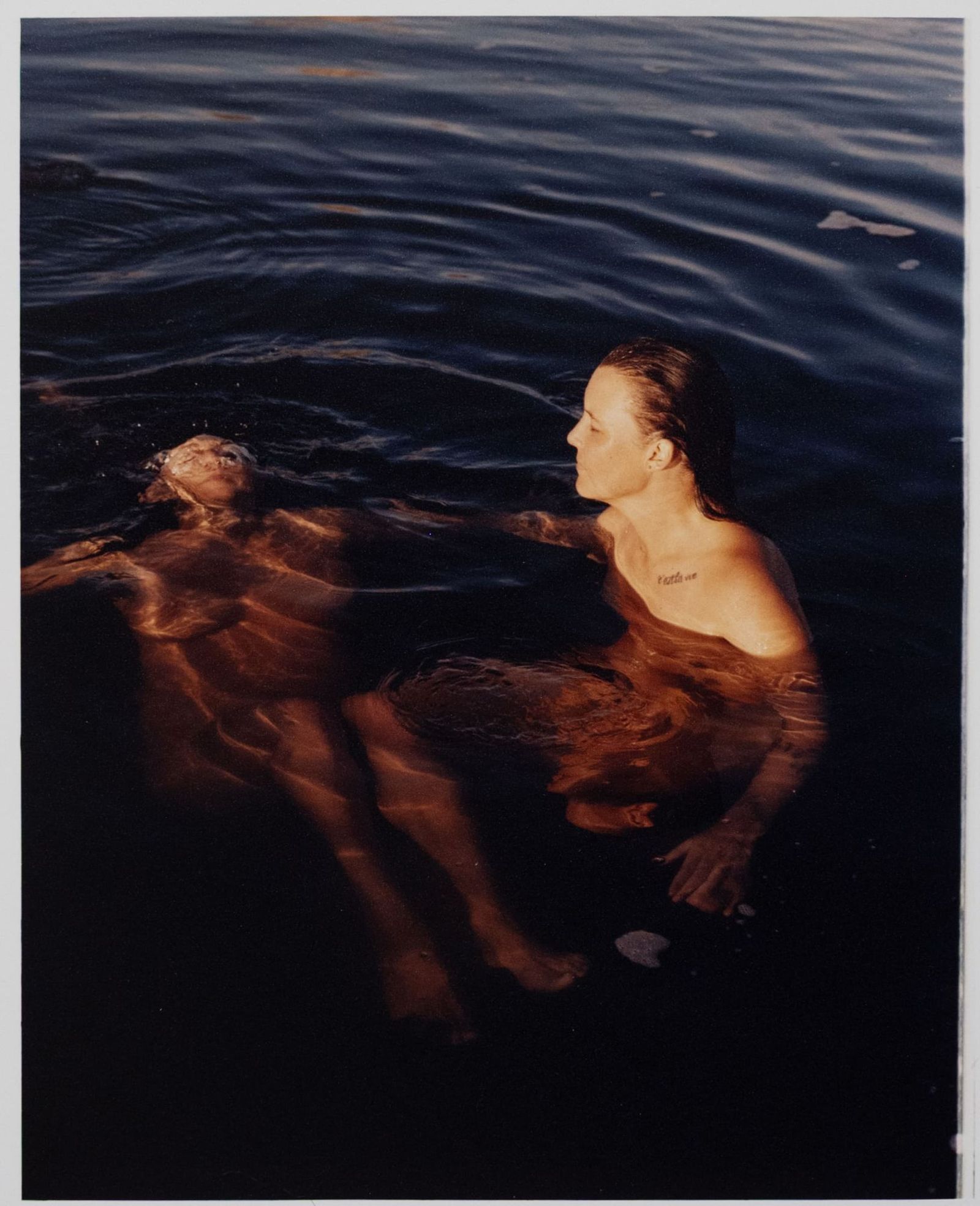
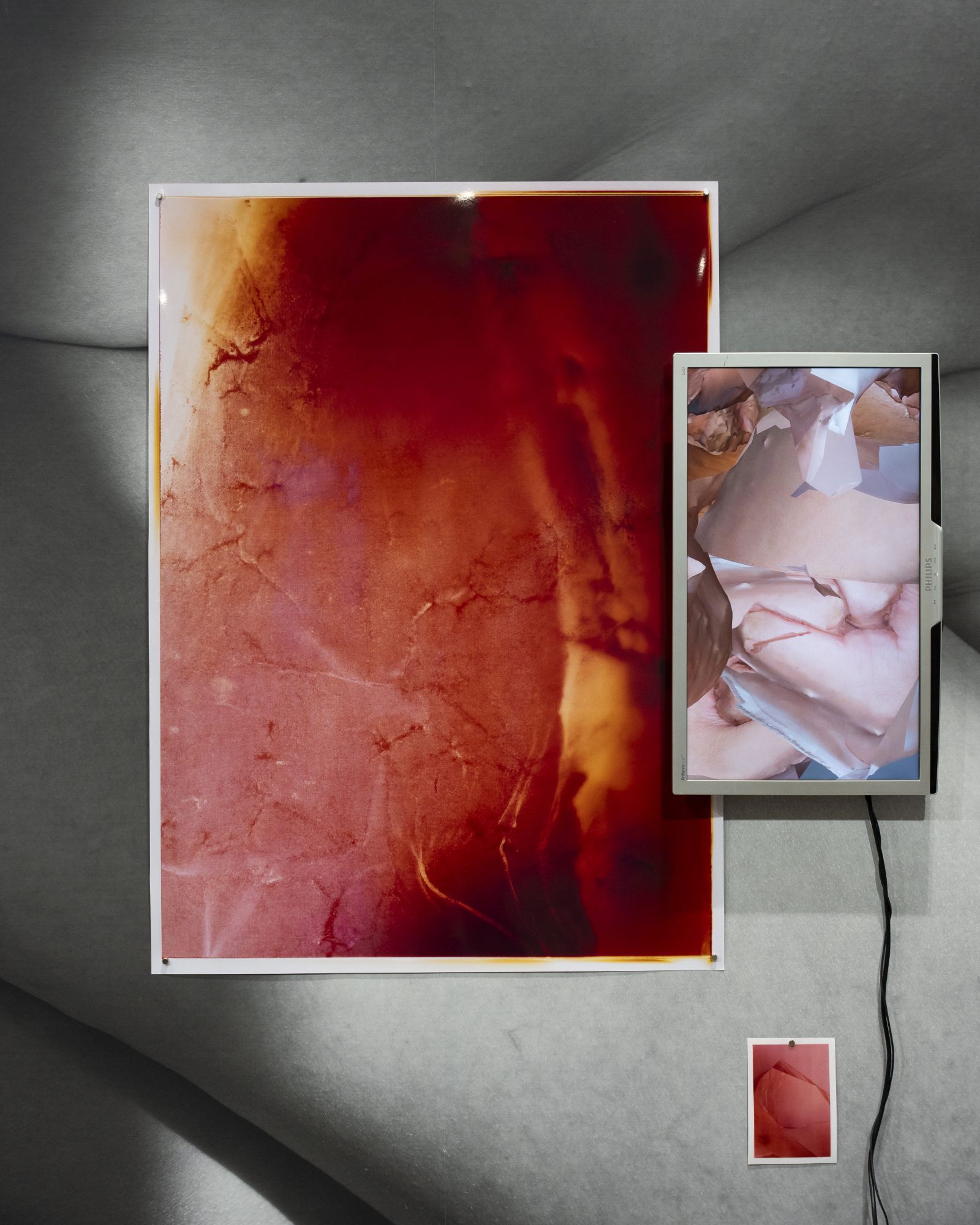
That choice matters against the long history of women's bodies being idealised and airbrushed. From Photoshop to AI, we keep developing new ways to make the female body fit a beauty standard. Unrendered uses similar tools to do the opposite, asking why the female body should need correcting in the first place.
Marie-Lisette Cropp
I'm not interested in replacing one beauty standard with another.
"I am not interested in creating another idealised representation of the female body, but rather in exploring what happens when those conventions are disrupted… I am very conscious of this history, particularly of the ways photography and other image-making technologies have contributed to defining what is considered beautiful, desirable or acceptable in relation to the female body."
That care extends to the people behind the scans. Cropp works only with individuals who have agreed both to be scanned and to have their likenesses used. To protect their privacy, she often relies on unrecognisable body parts rather than identifiable representations, so the fragmentation is an ethical choice as well as a visual one.
Photographs, screens, filters and platforms are increasingly the ways we encounter our own bodies, to the point where it becomes difficult to tell the image apart from the body it depicts. I wanted to know whether Cropp thought that line was getting harder to draw.
"Yes, I think that boundary is becoming increasingly blurred. Images are no longer simply representations of our bodies, they have become part of how we understand and experience ourselves. We constantly encounter our bodies through mirrors, photographs, screens, filters and digital platforms, and these images can influence how we perceive ourselves physically."
This is the question at the centre of Unrendered: where does the physical body end and its representation begin, when an image can be reproduced endlessly and become another form of the body itself? "Rather than treating one process as an end point, I use each stage to alter, question and reinterpret the previous one," Cropp says.
The work draws on the philosopher Rosi Braidotti's posthuman theory, which challenges the idea of the human body as fixed or self-contained, and considers how it is continually shaped through its relationships with technology and the world around it. That fluidity extends beyond the prints. The moving image shows the scanned forms in a constant state of transformation, while the sound asks viewers to experience the work beyond simply looking. Together they create an environment in which the physical and digital body begin to overlap. "I am interested in these different versions existing alongside one another, rather than one being more 'real' than the other." In the end, Cropp reminds us that it is the body that makes the photograph beautiful, not the other way around.
The more we rescan, manipulate and reprint the body, the harder it becomes to understand it as something fixed. Perhaps this endless cycle doesn't weaken our understanding of the body so much as expose how much that understanding has always depended on representation.
But working on the exhibition left me with a more uncomfortable thought. As technology makes it easier to manipulate and reconstruct the body, distortion, once used to challenge conventional ideas of beauty, may be turning into a look of its own. The rejection of one beauty ideal does not guarantee that another won't take its place. I put this to Cropp, asking whether she sees a risk in distortion becoming another visual norm as digitally altered bodies grow more familiar.
"Yes, I think there's a risk that distortion, particularly through digital technologies and AI, simply creates another set of expectations around how bodies should look. I'm not interested in replacing one beauty standard with another. Instead, I use distortion as a way to question the idea of a fixed or idealised body. By combining digital processes with analogue techniques, collage and hands-on interventions, I try to keep the work open, imperfect and unpredictable."
Yet there is an interesting tension in the work itself. The prints in Unrendered are undeniably beautiful. For me, this raises a different question: whether an image can challenge conventional ideas of beauty while still creating its own visual ideal. As its curator, I find this particularly interesting because it brings me back to the relationship between the body and its representation, and what makes an image of the body beautiful.