

Water Damage
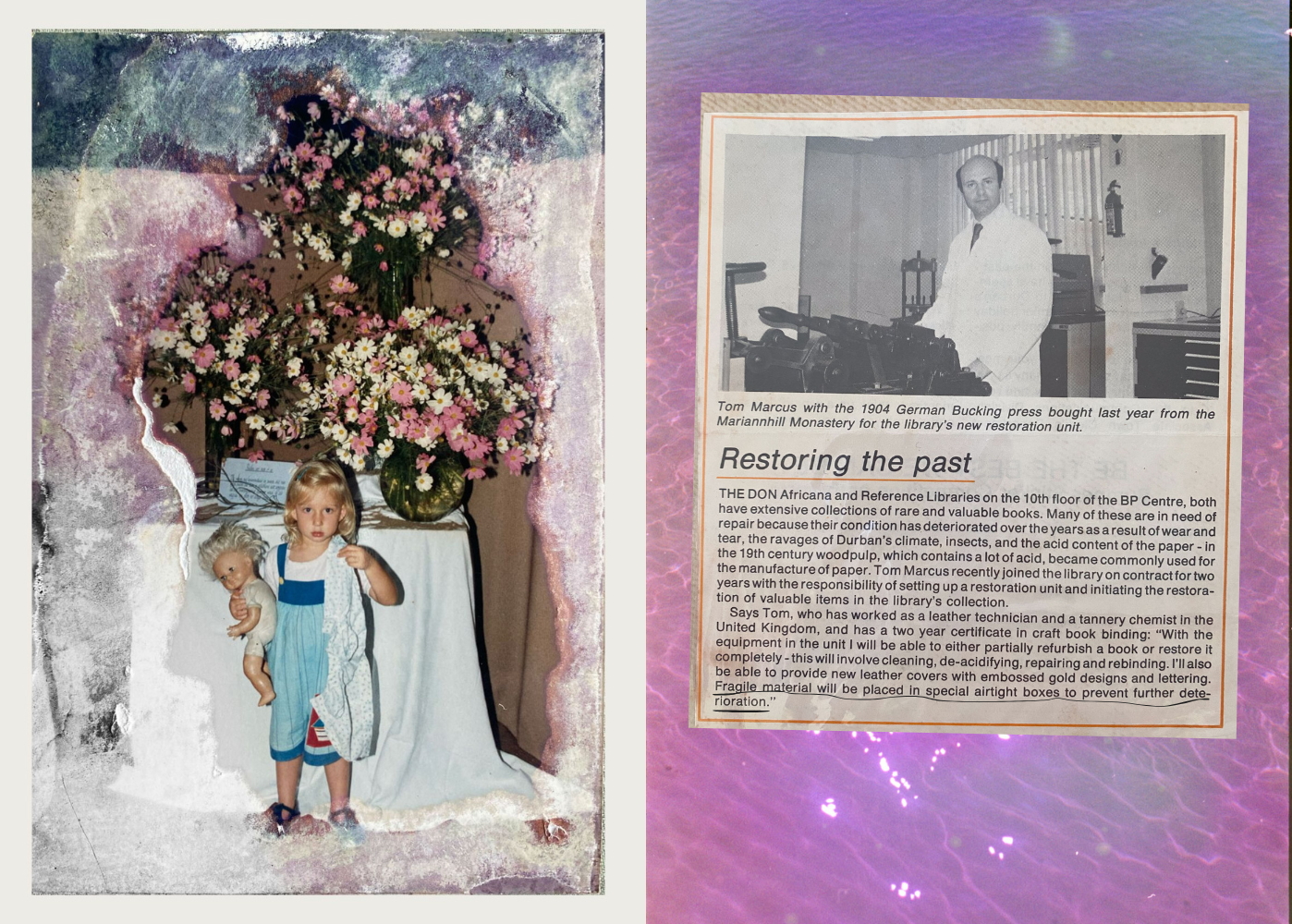
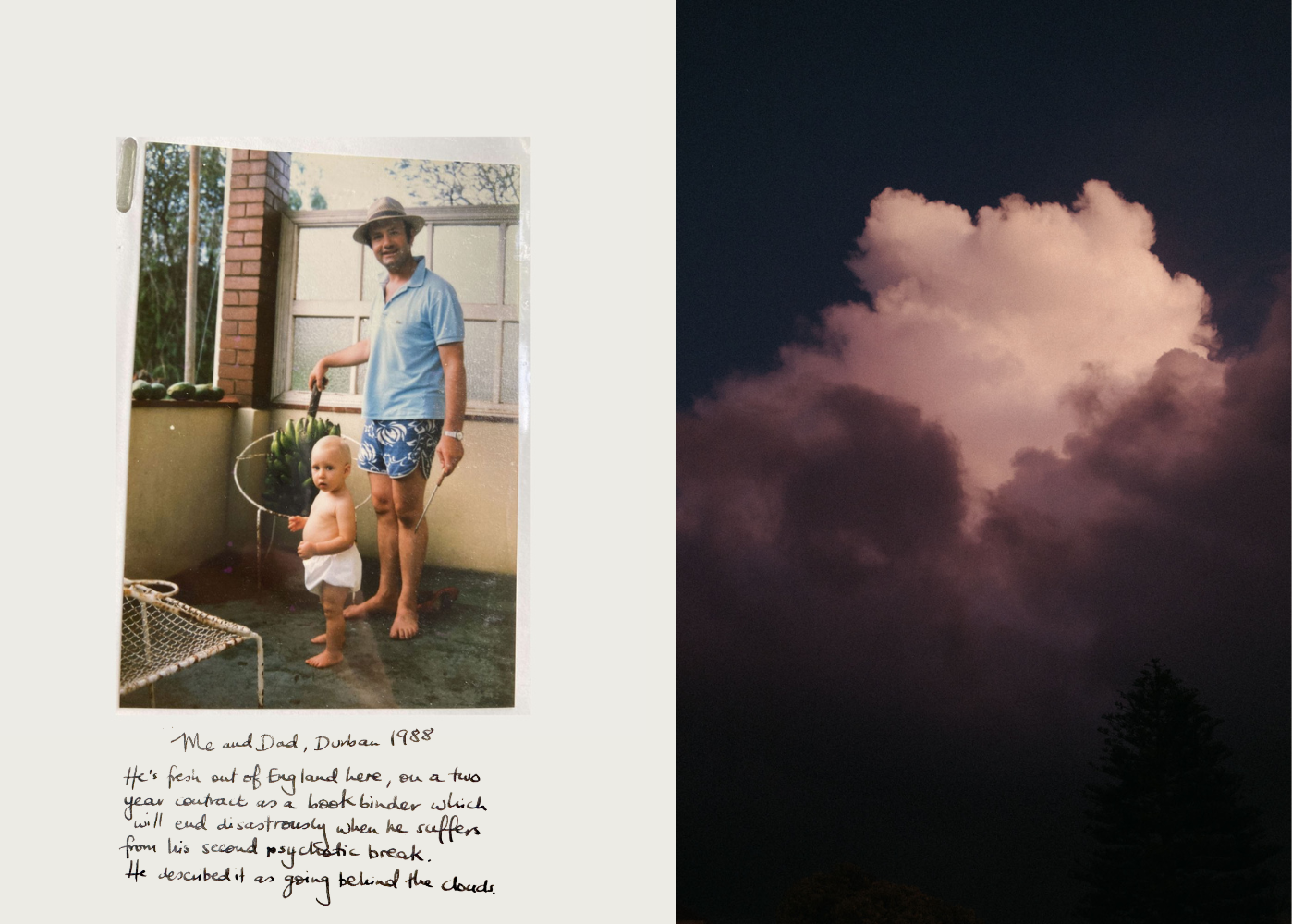
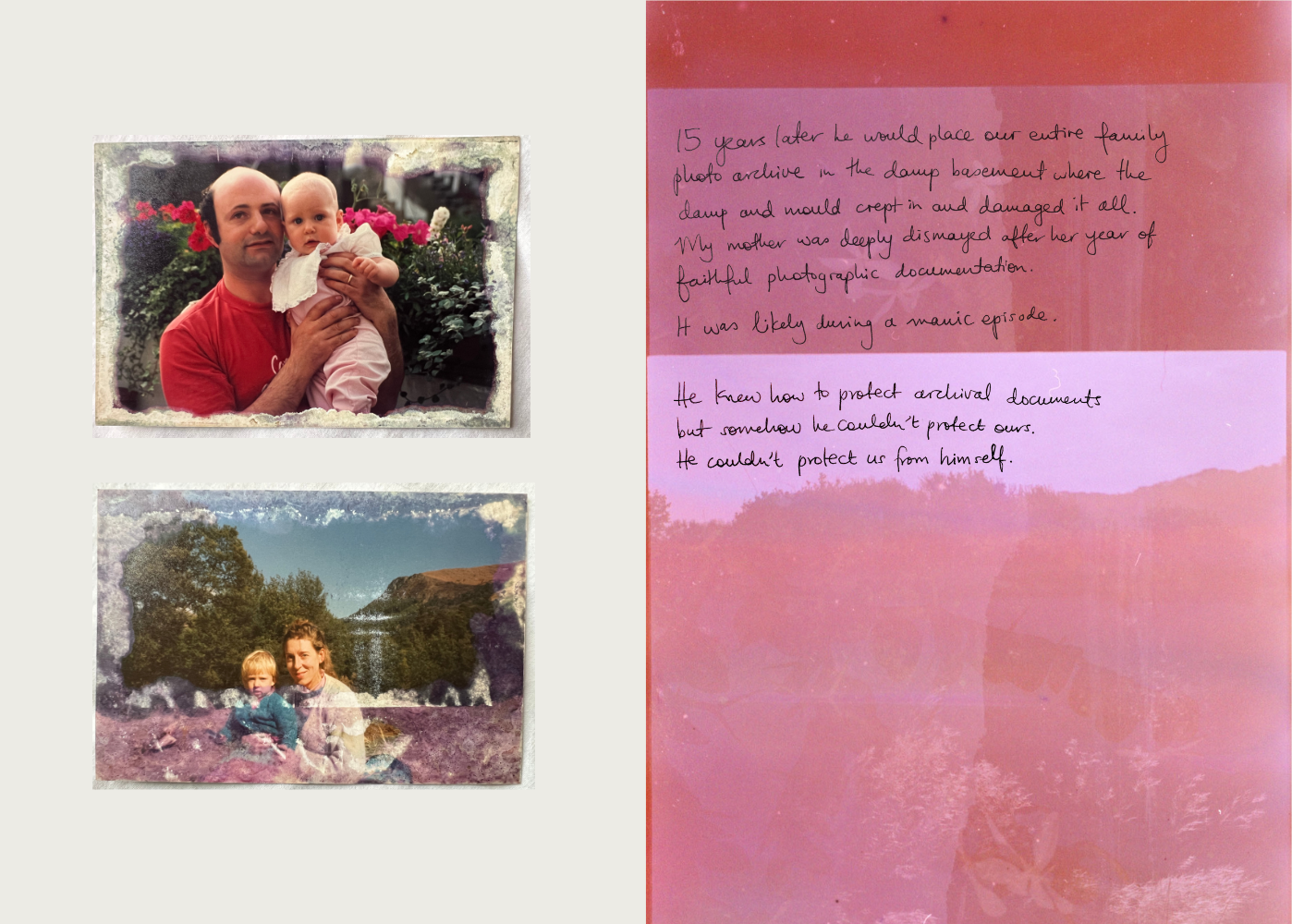
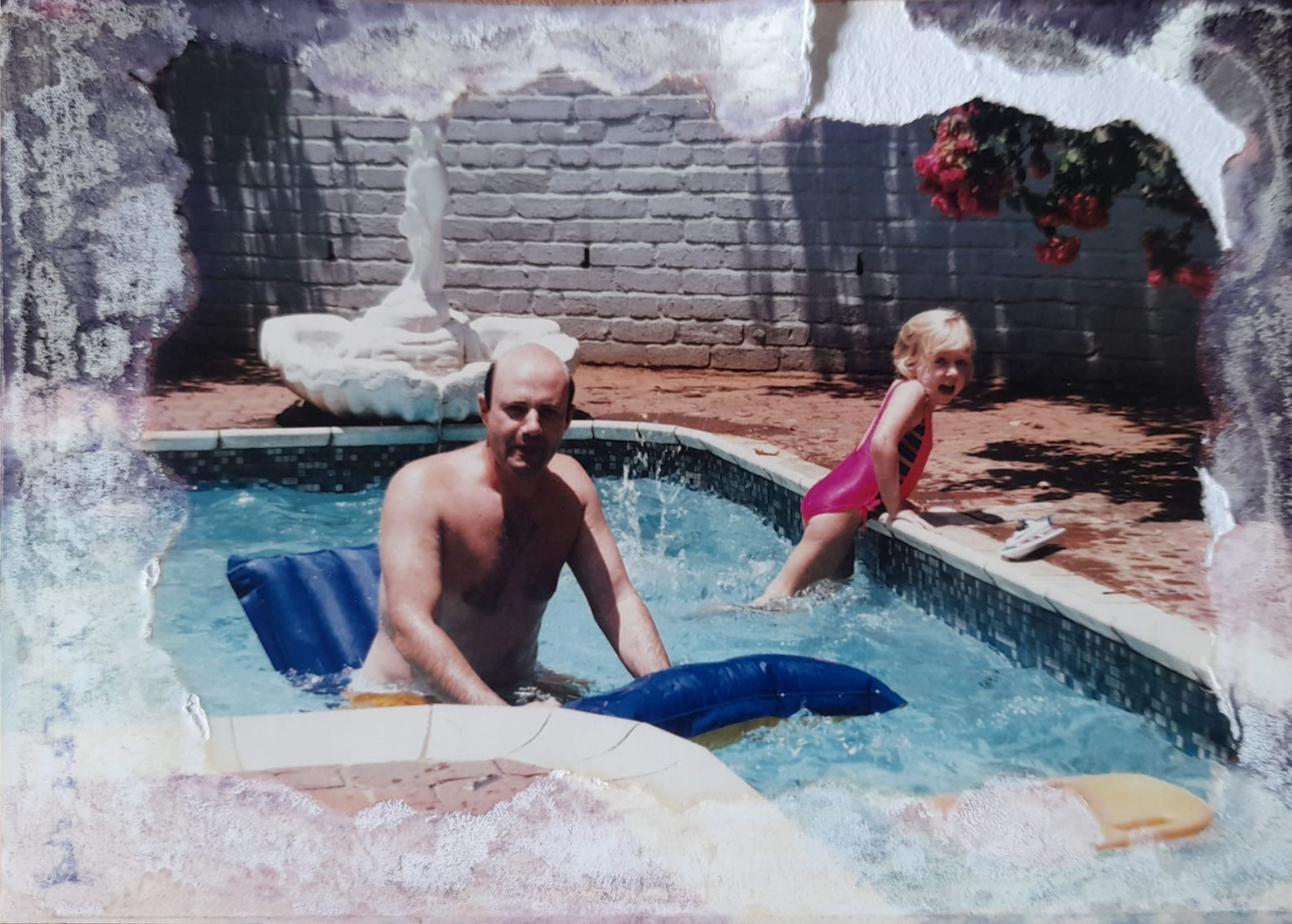
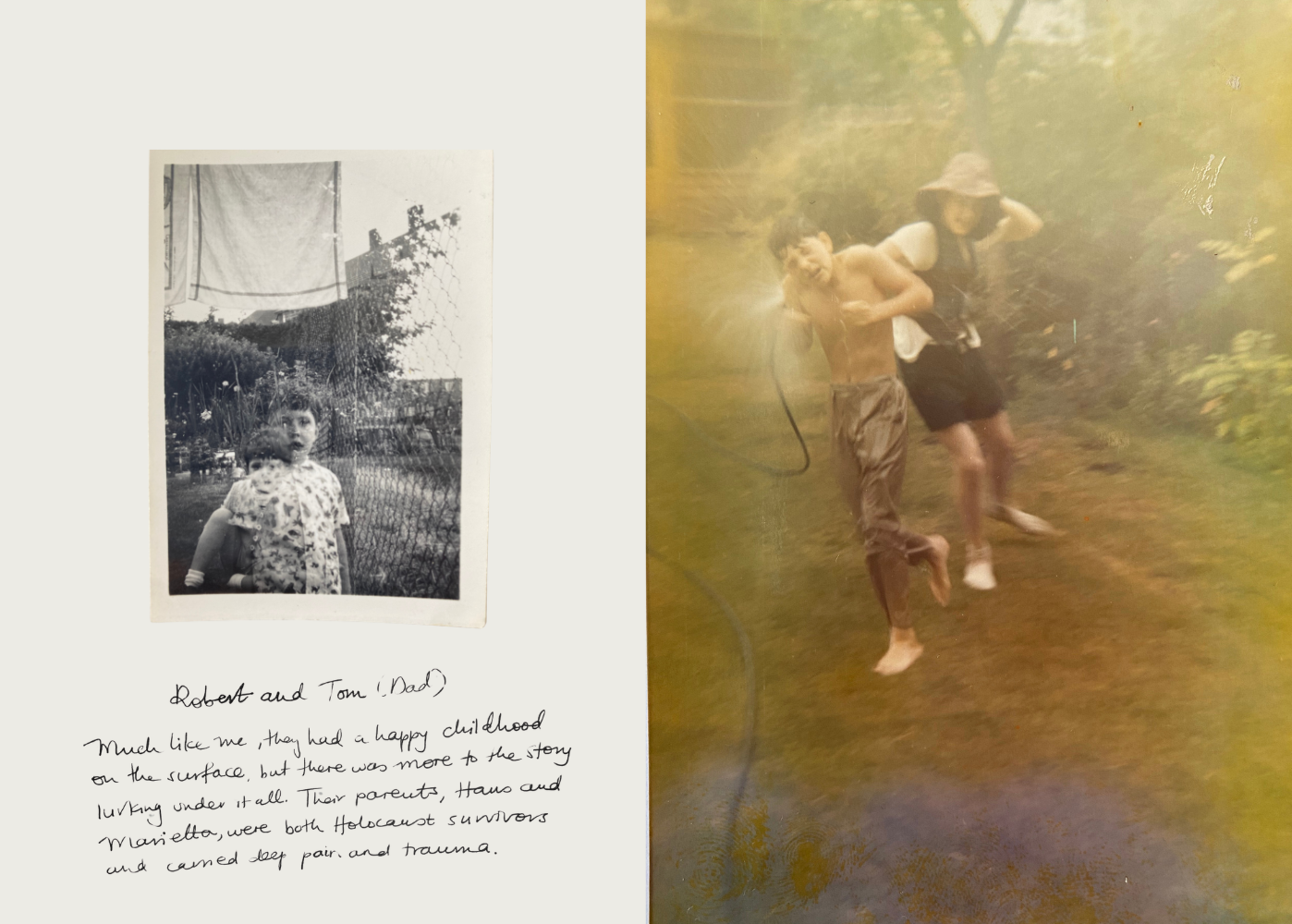
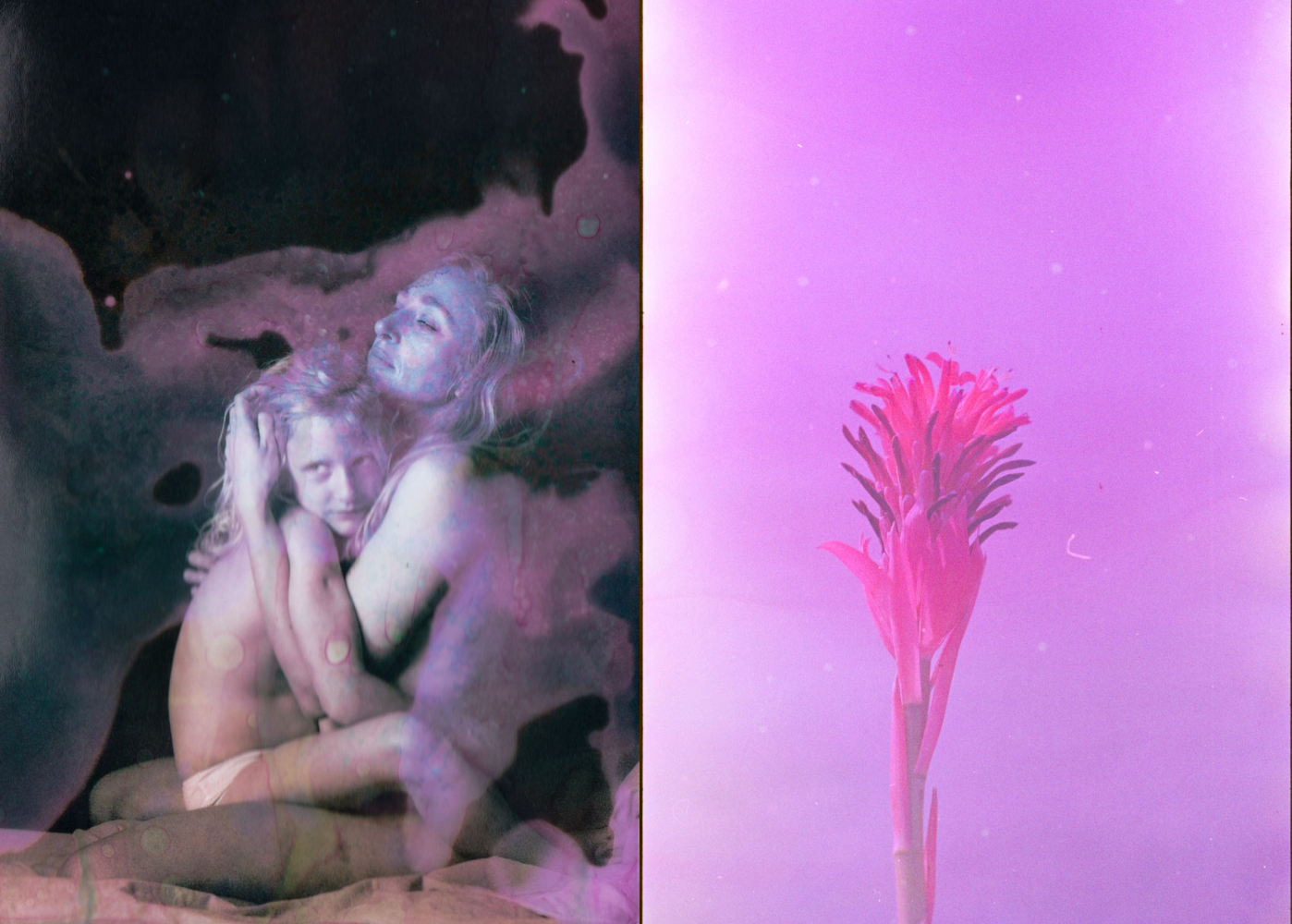
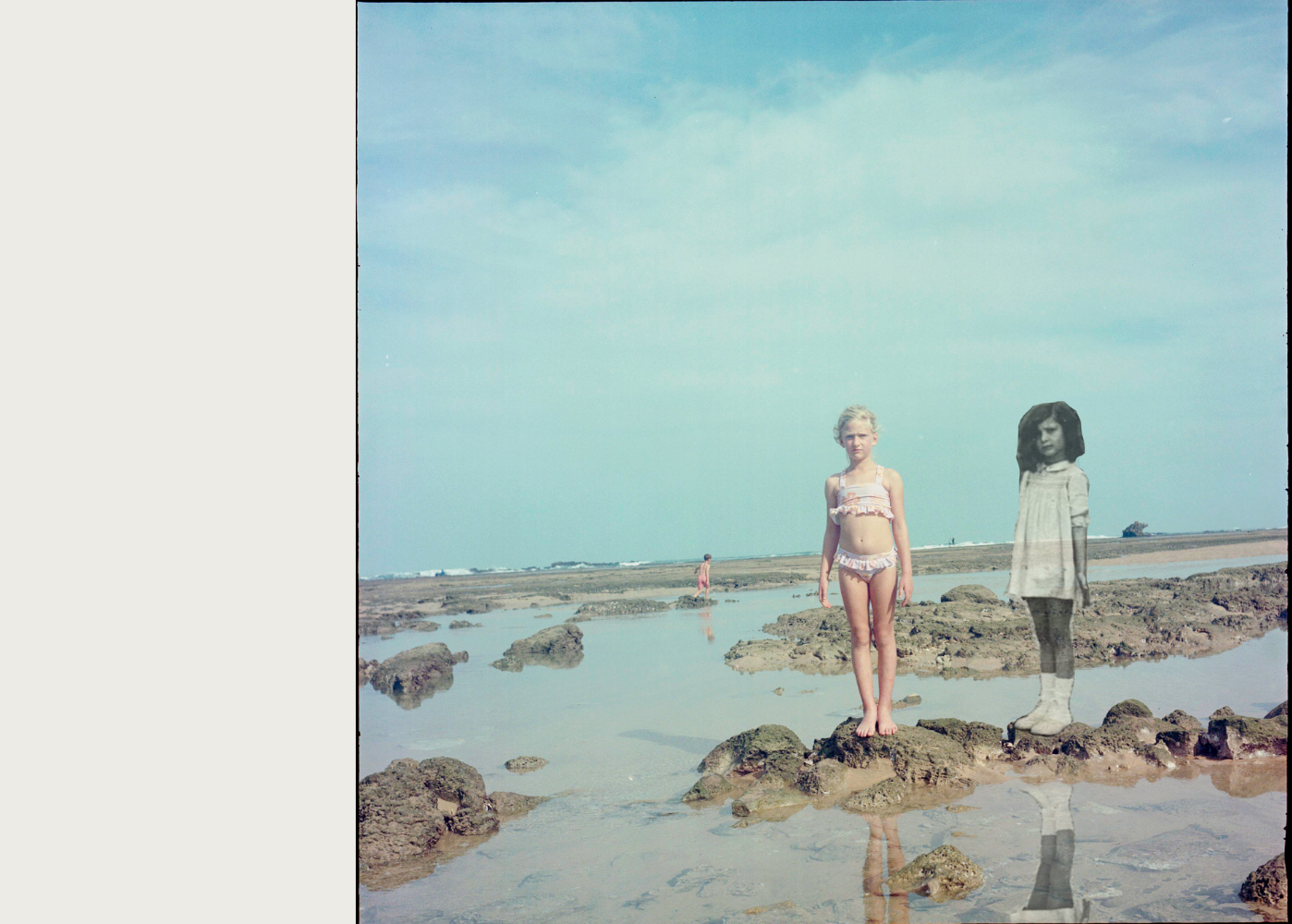
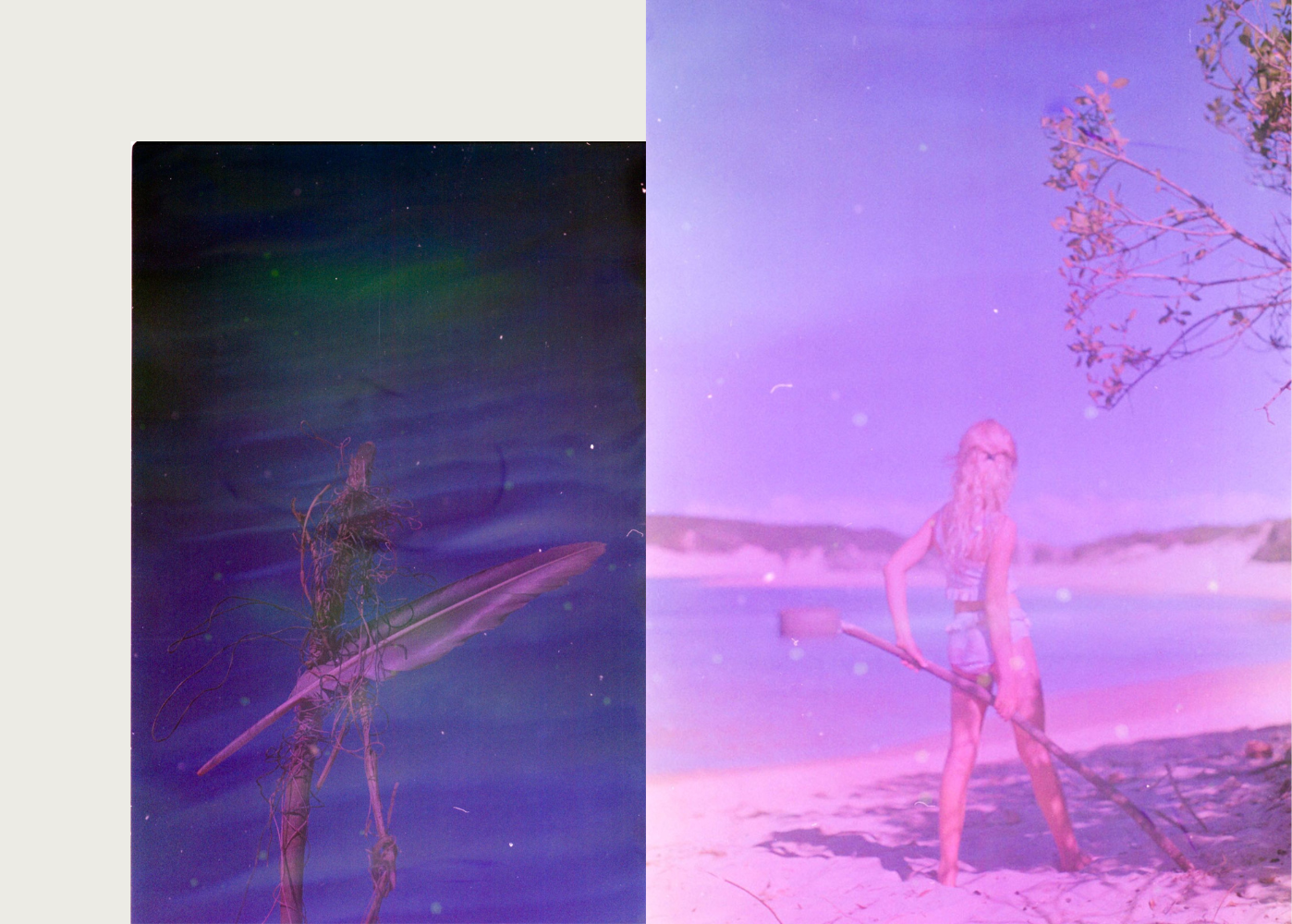
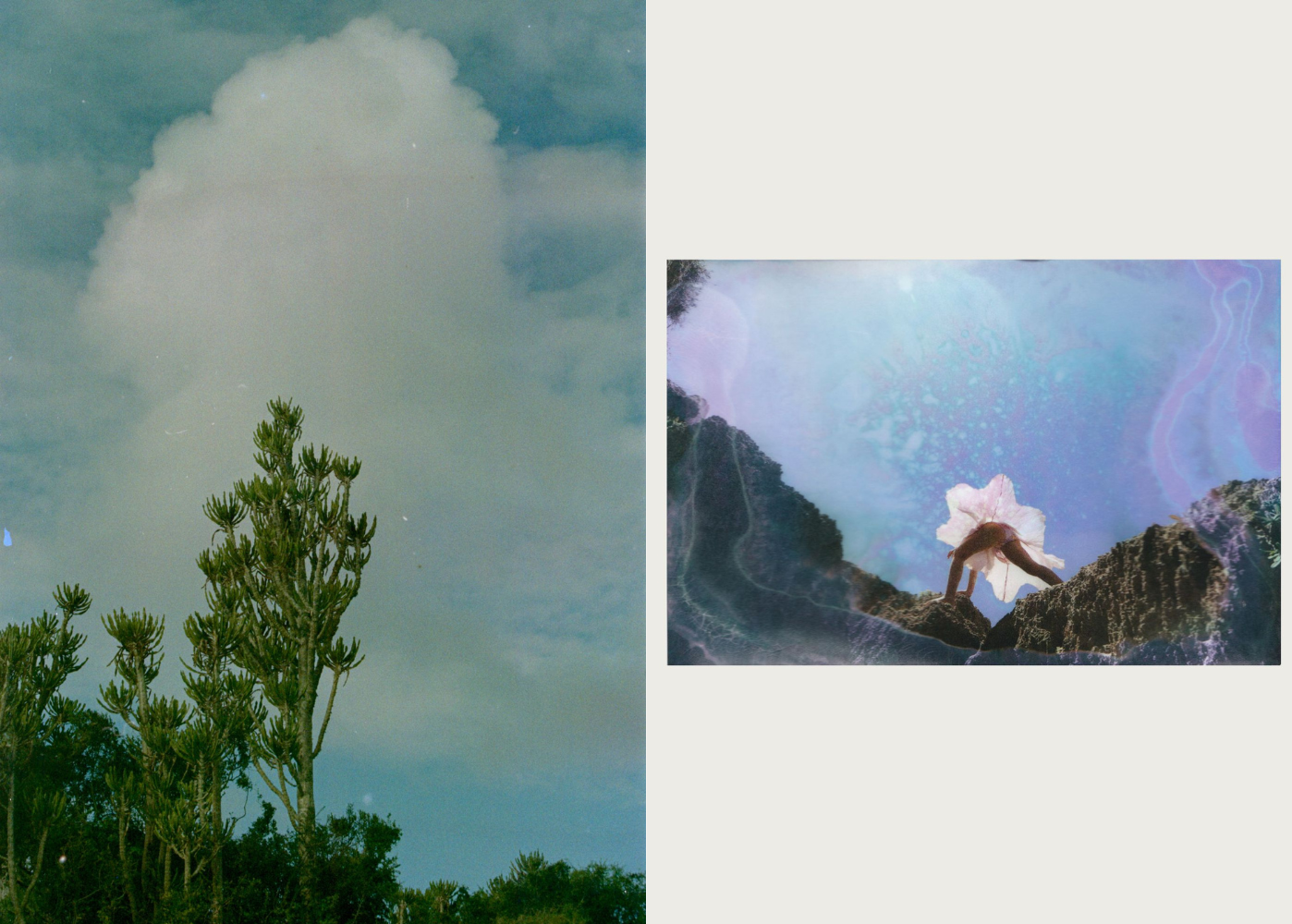
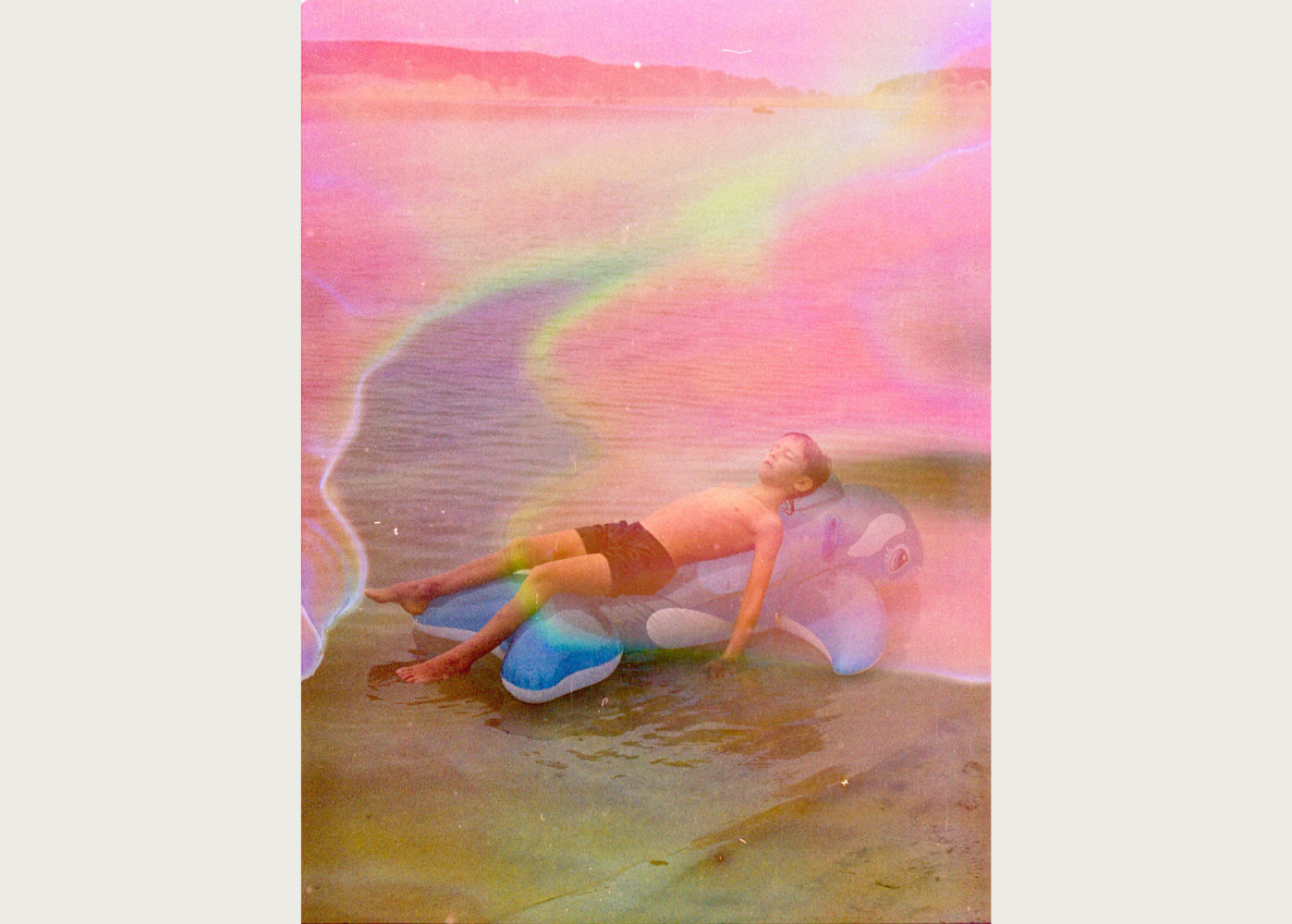
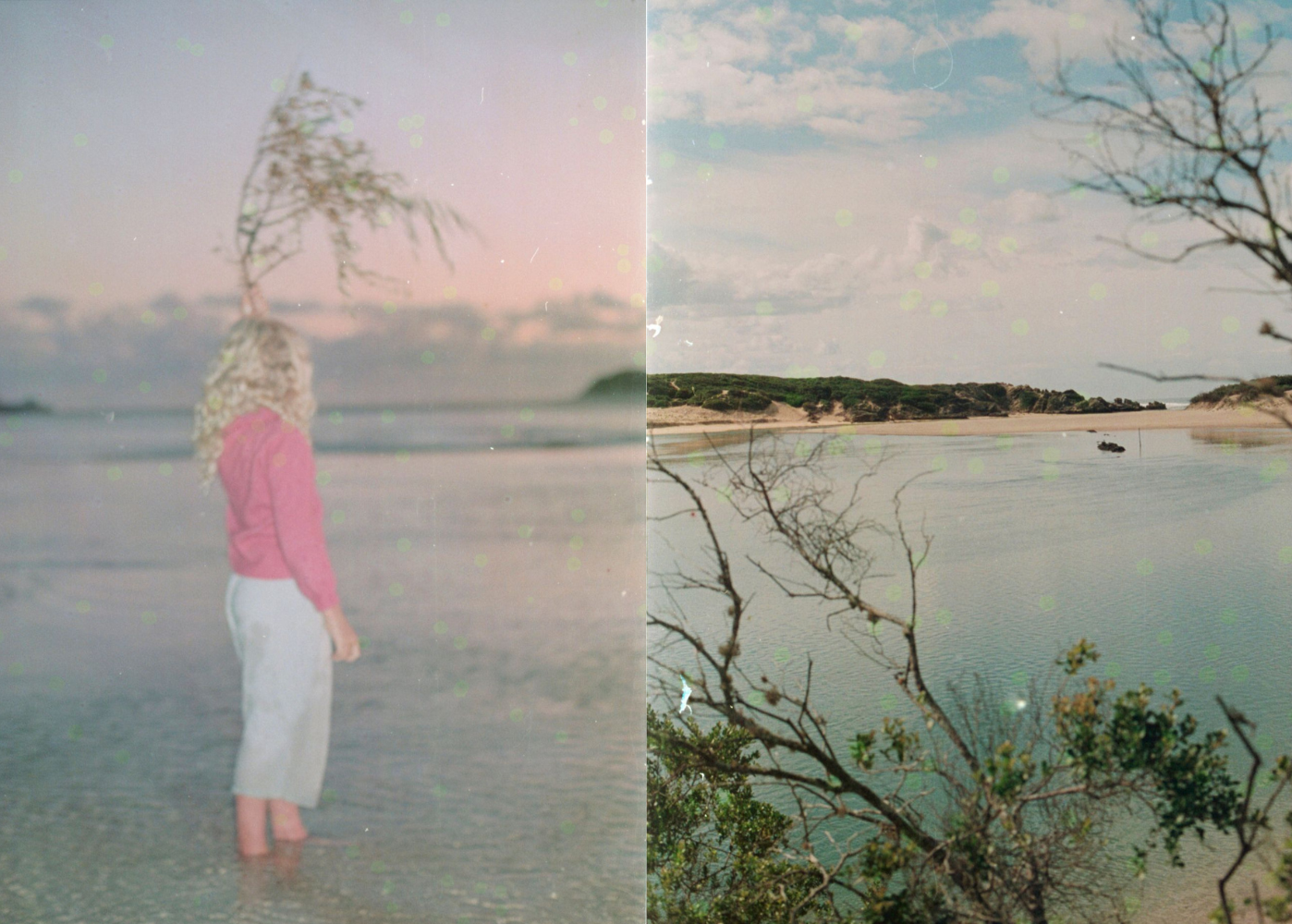
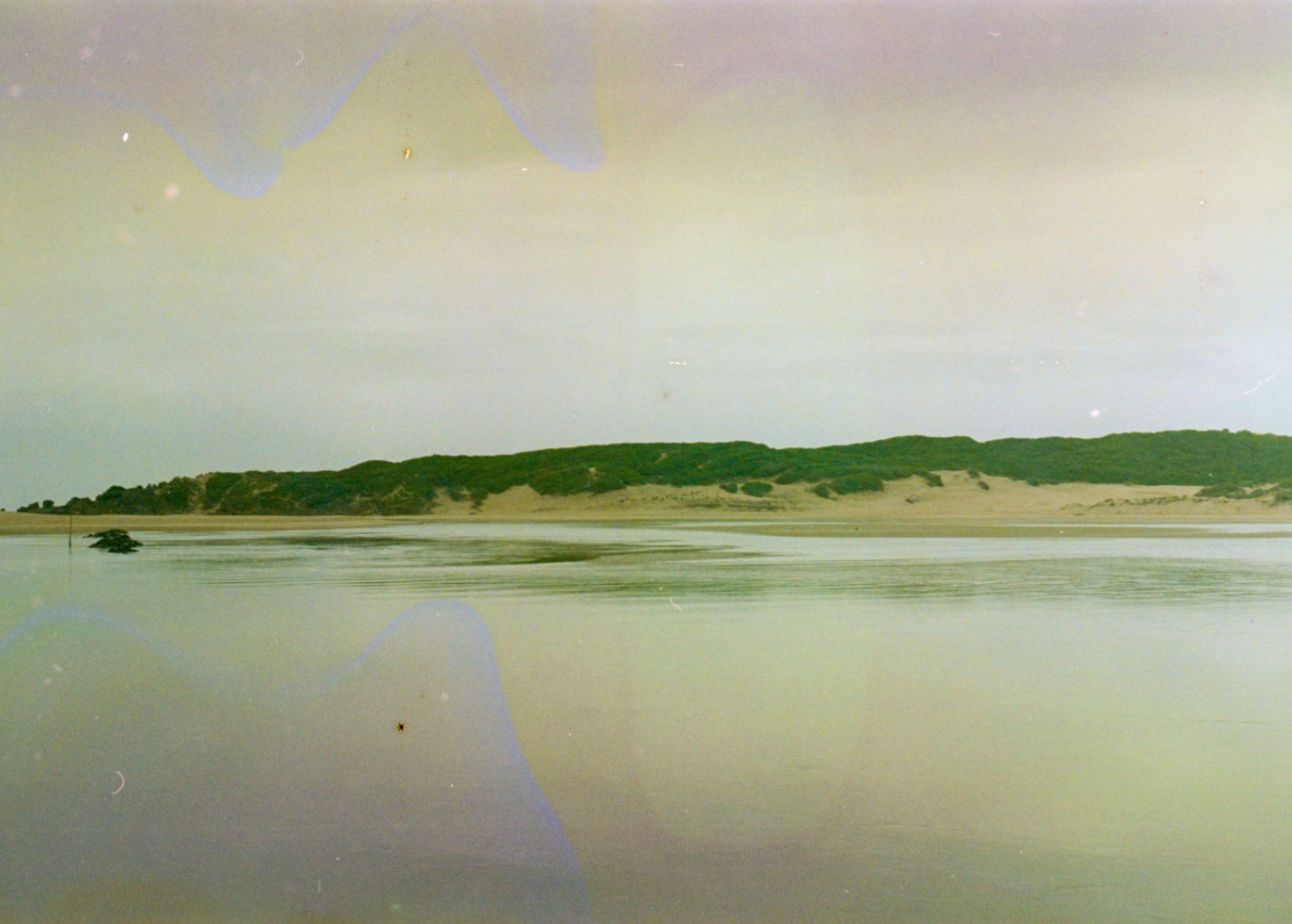
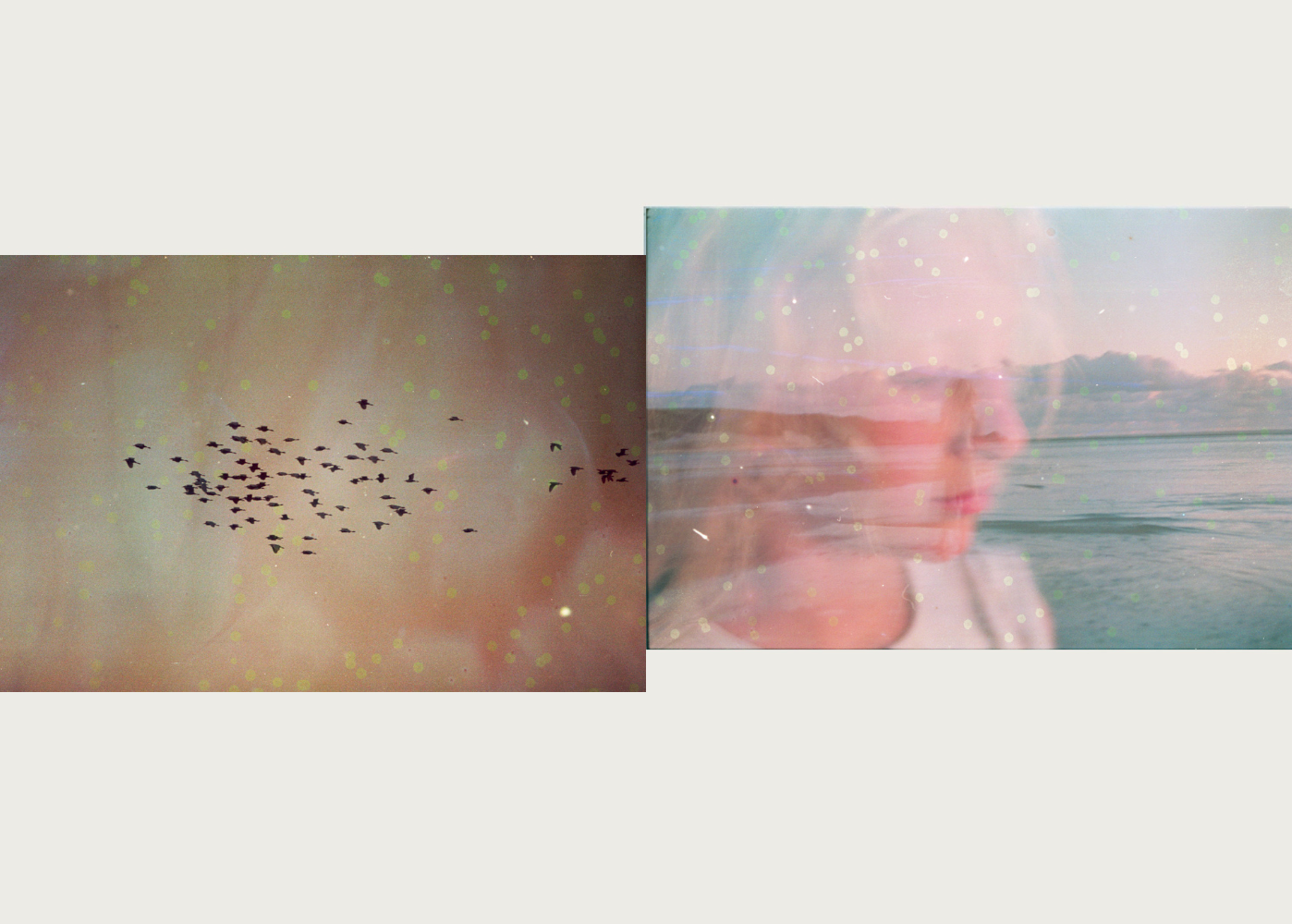
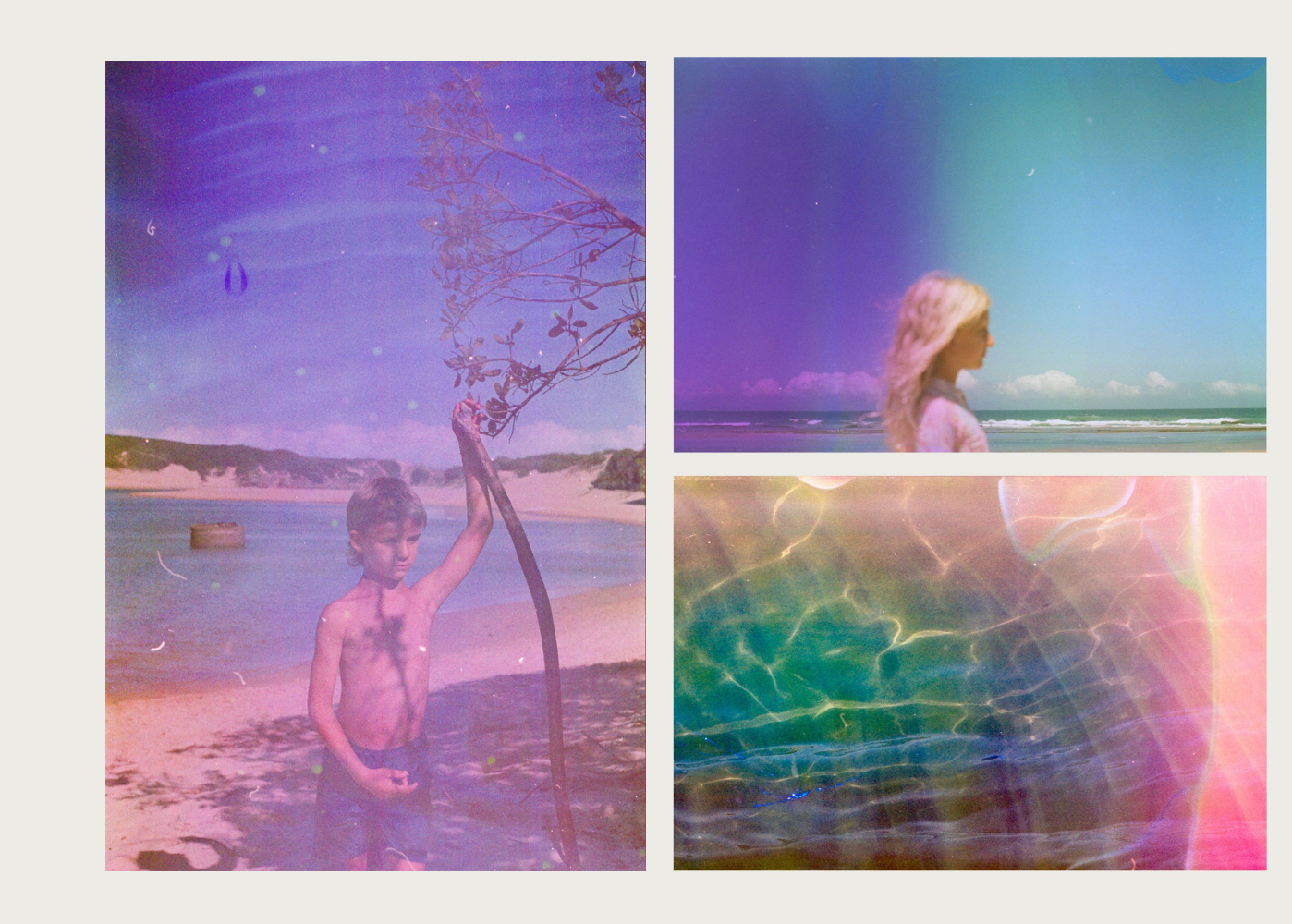
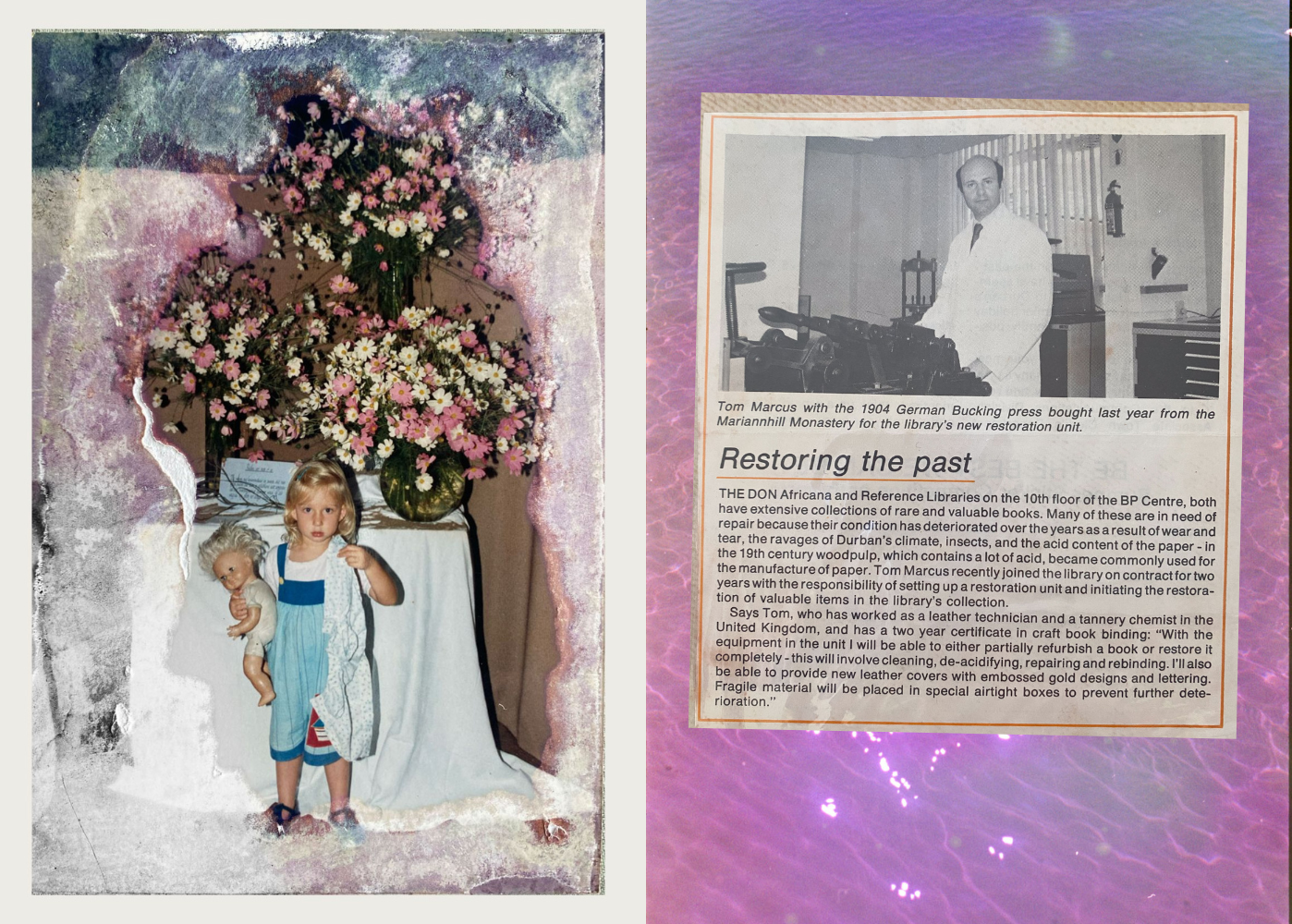
When my dad moved the family photo archive into the basement and it all got irreparably damaged by damp, it was deemed a disaster. My mother had raised her children far from home and spent her years as a mother lovingly photographing and documenting our family, and now the photos were a sticky, warped mess.
Ironically, our family first moved from England to South Africa because my father had been hired to restore a valuable old library of books and documents, to protect them from the further “ravages of Durban’s climate”, as written in a newspaper clipping I found in my grandfather’s old photo album. My father had his second mental break before he could do much good for those books.
His mental illness and religious obsessions would go on to shape my childhood profoundly. When I found the damaged photos, I couldn’t help but notice the ironic parallels: despite his claims, he couldn’t protect our family archive from the damaged elements, and he couldn’t protect us from himself.
For many years I held onto the anger and trauma of this pain, but as I paged through the water-damaged archive, I was struck by the strange beauty of the images. Could damage be reframed? Could there be beauty in it as well as sadness? This startling encounter sent me on a journey of discovery into our family history.
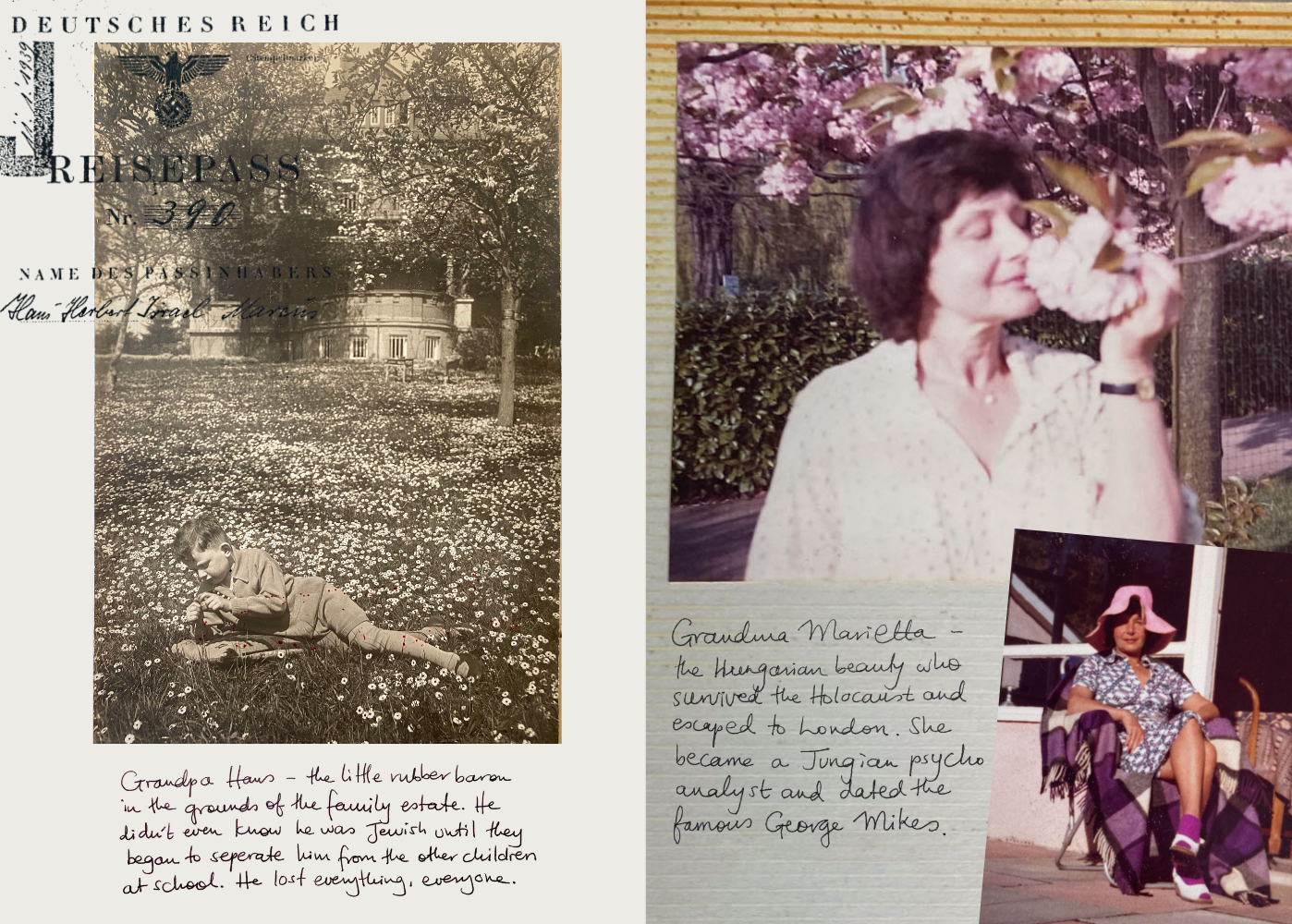
My father says he had a happy childhood. The archives say otherwise. His father, Hans, was the German son of a wealthy rubber merchant. They called Hans the little Gummiköning, the little rubber baron who was due to inherit his father’s empire. Unbeknownst to him, he had also inherited Jewish blood, and as the Nazis rose in power, he had to flee to England to survive. He lost everyone and everything. He established a promising career as an international lawyer and married Marietta, a Hungarian Jew who had survived the harrowing Holocaust regime in Budapest, only to be forced to flee the Soviets and come to England. Their continental roots may have been what drew them together, but it was by no means enough to keep them together or create a happy marriage. Marietta’s memoirs recount expensive family holidays, countless affairs, and violent fights. She finally found the courage to leave him and spent years slowly building a career as a Jungian analyst.
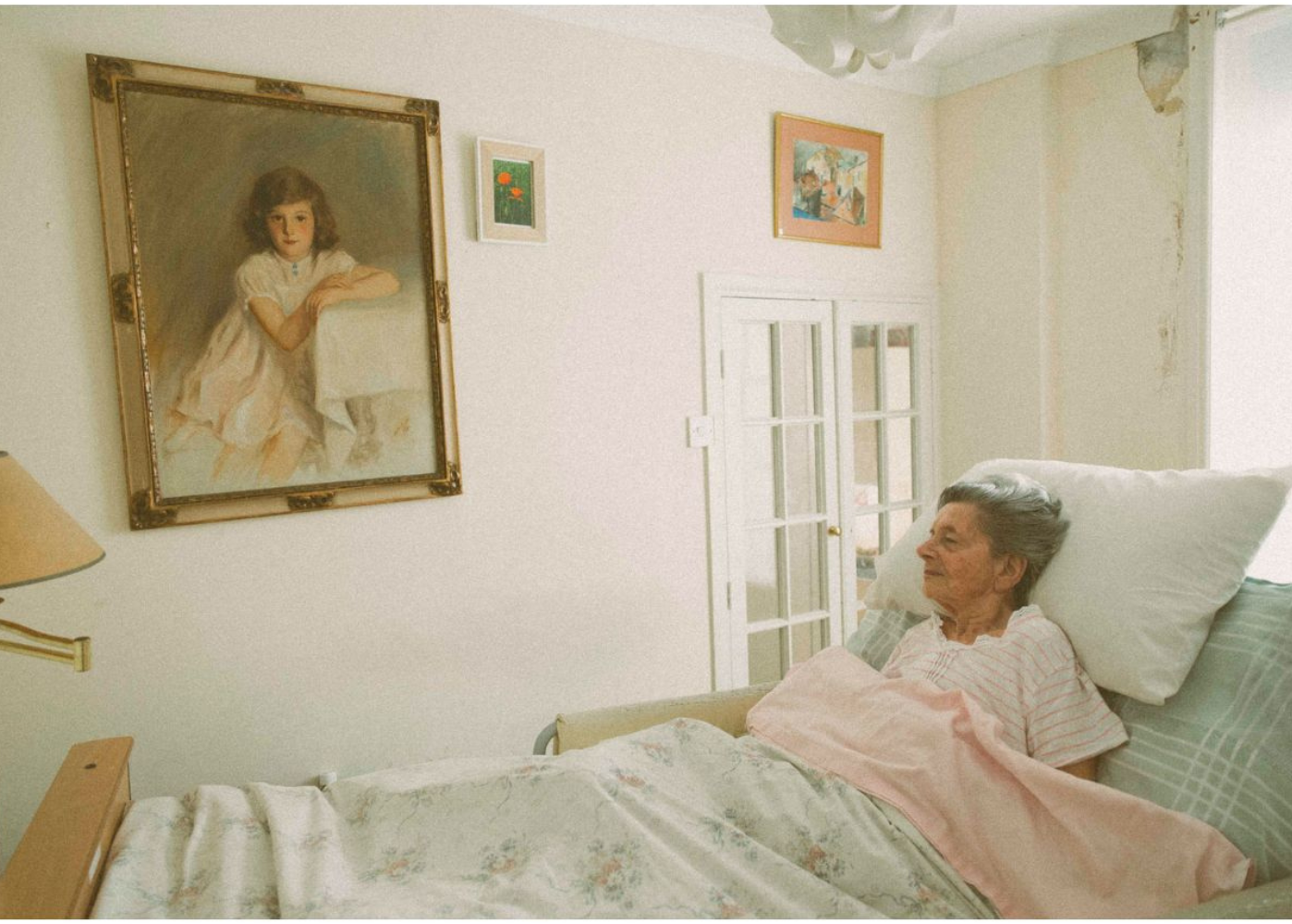
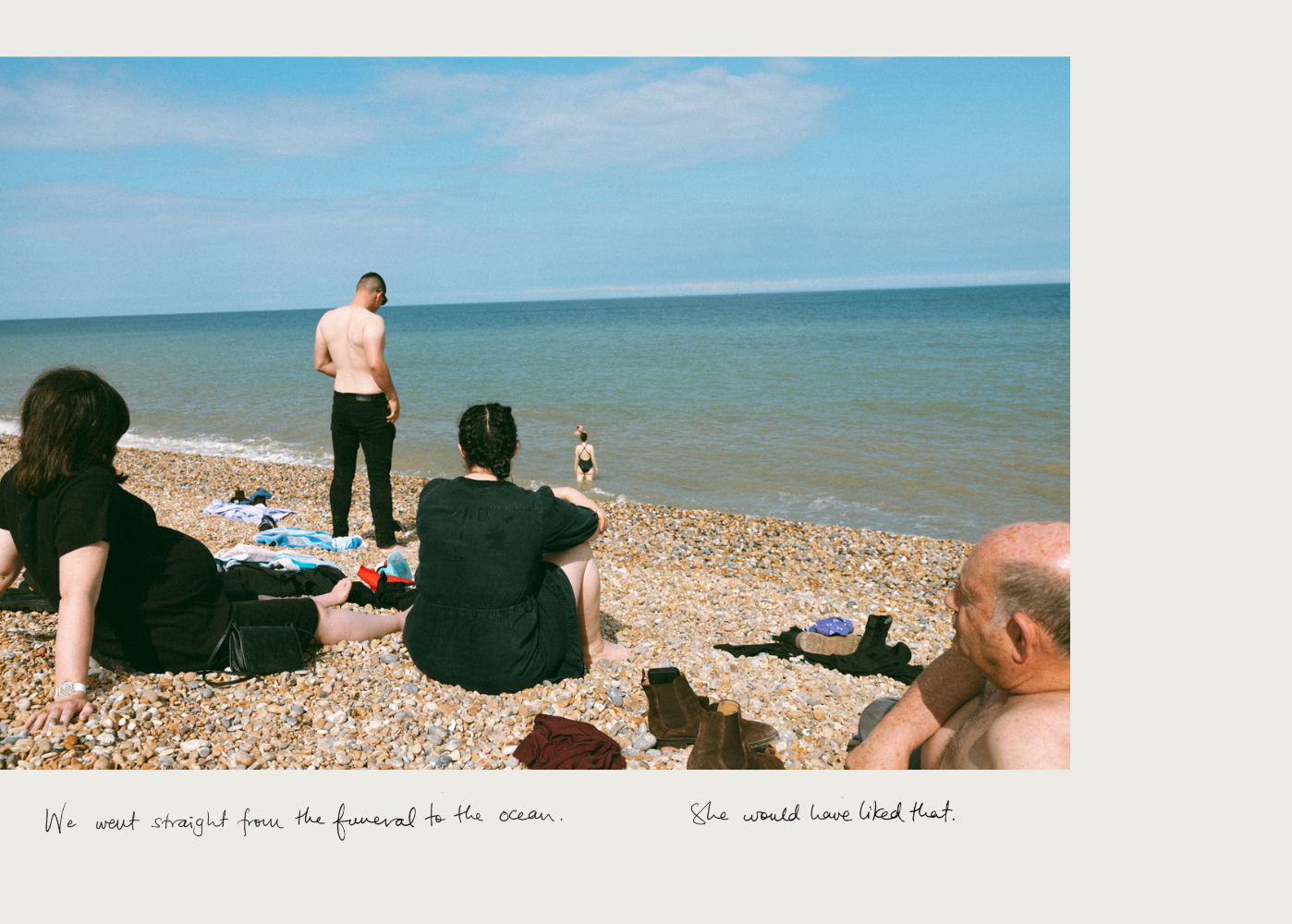
In her final year, I realised that I had never connected with my grandmother and all her power and wisdom, and so I went on a journey from Sopron to Budapest to connect with my relatives, my heritage, and my history. From there I followed in her footsteps to London and finally Deal, where I visited her in her frail state and, within a year, went back for her funeral.
I began to unearth the family history and the trauma passed down through generations, and I found that my anger towards my father began to soften. I read the works of Gabor Maté, a physician and author who survived the Holocaust in Budapest at the same time as my grandmother. He writes about generational trauma in his book The Myth of Normal: “We pass on to our offspring what we haven’t resolved in ourselves. The home becomes a place where we unwittingly recreate… scenarios reminiscent of those that wounded us when we were small.”
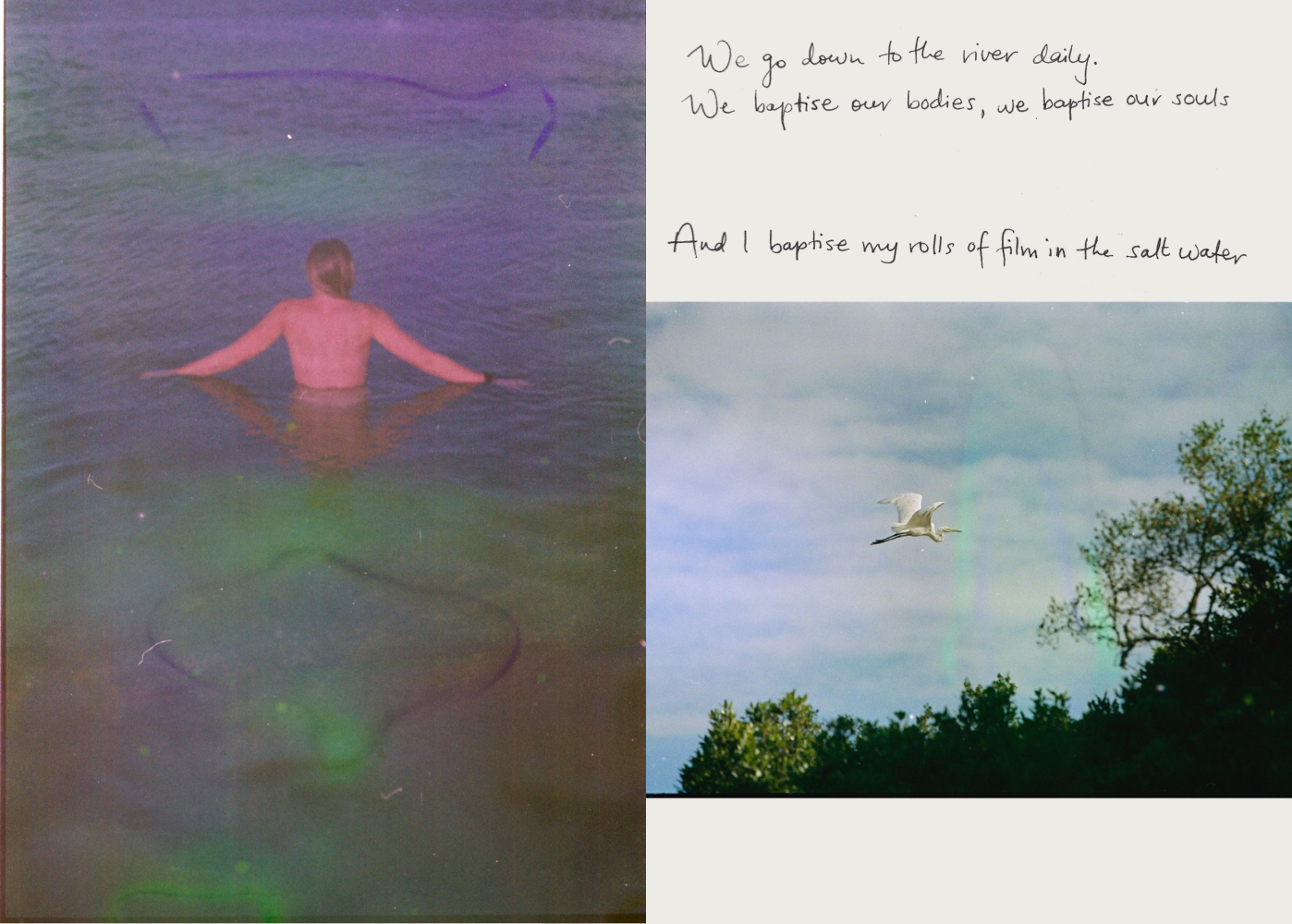
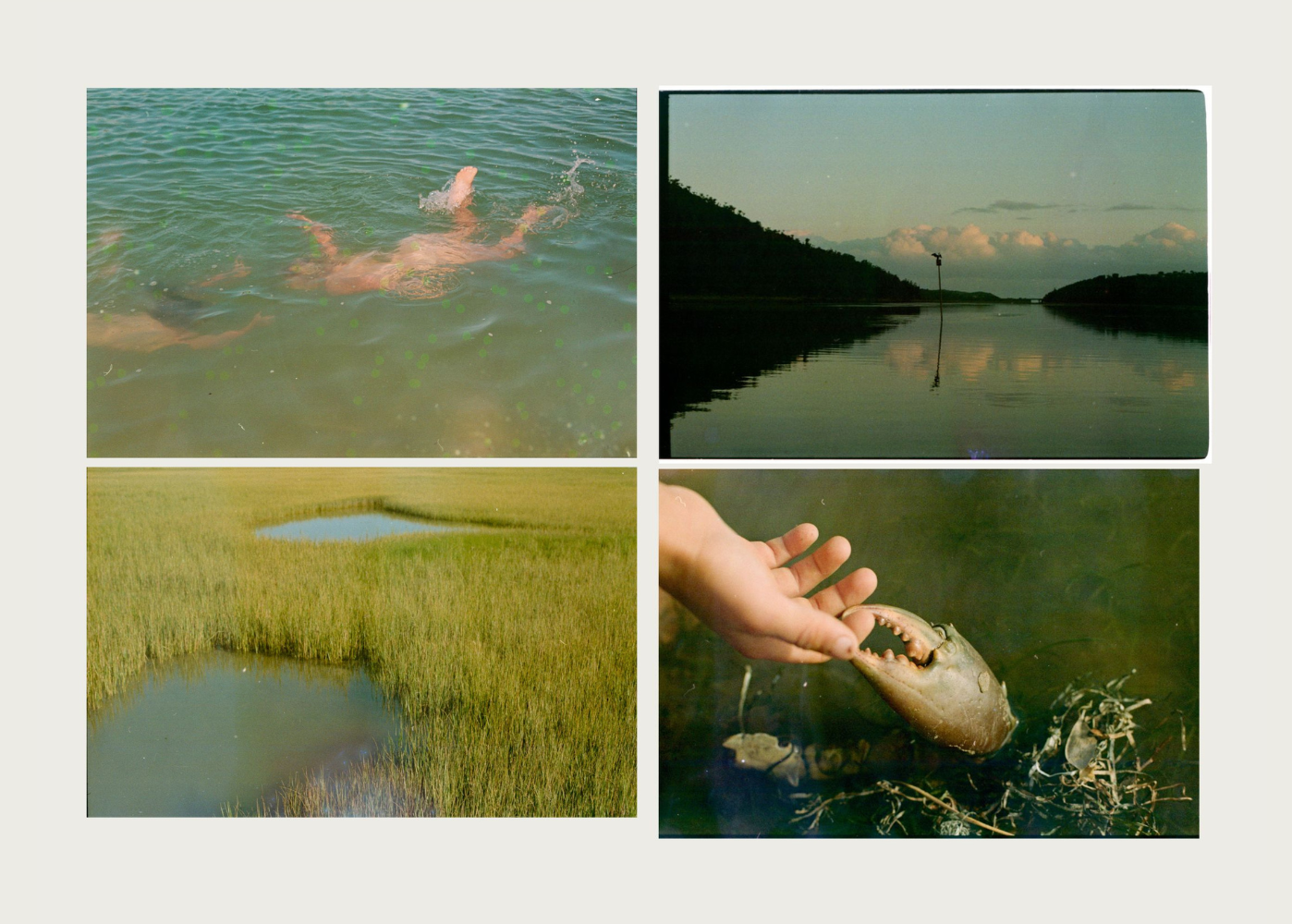
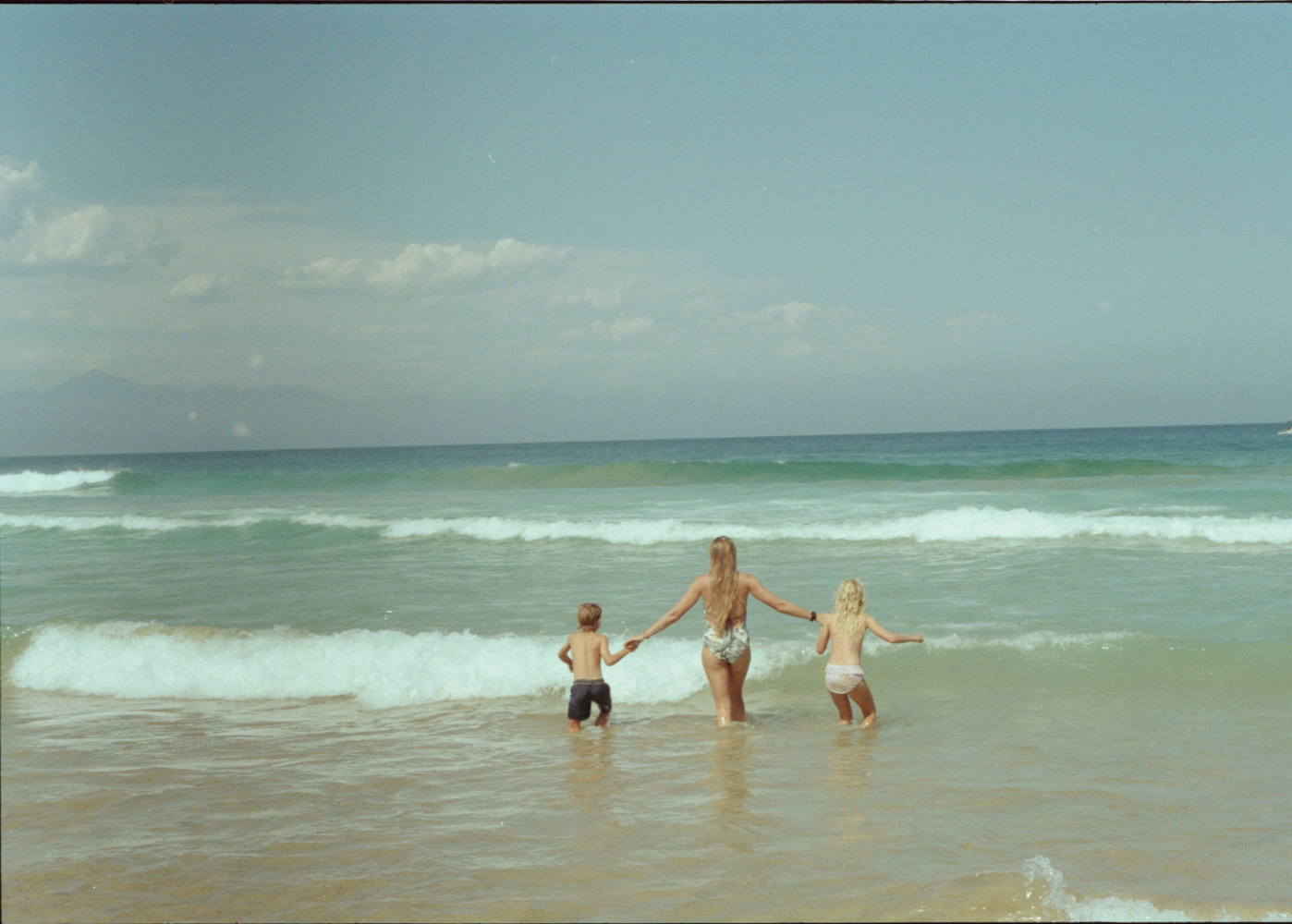
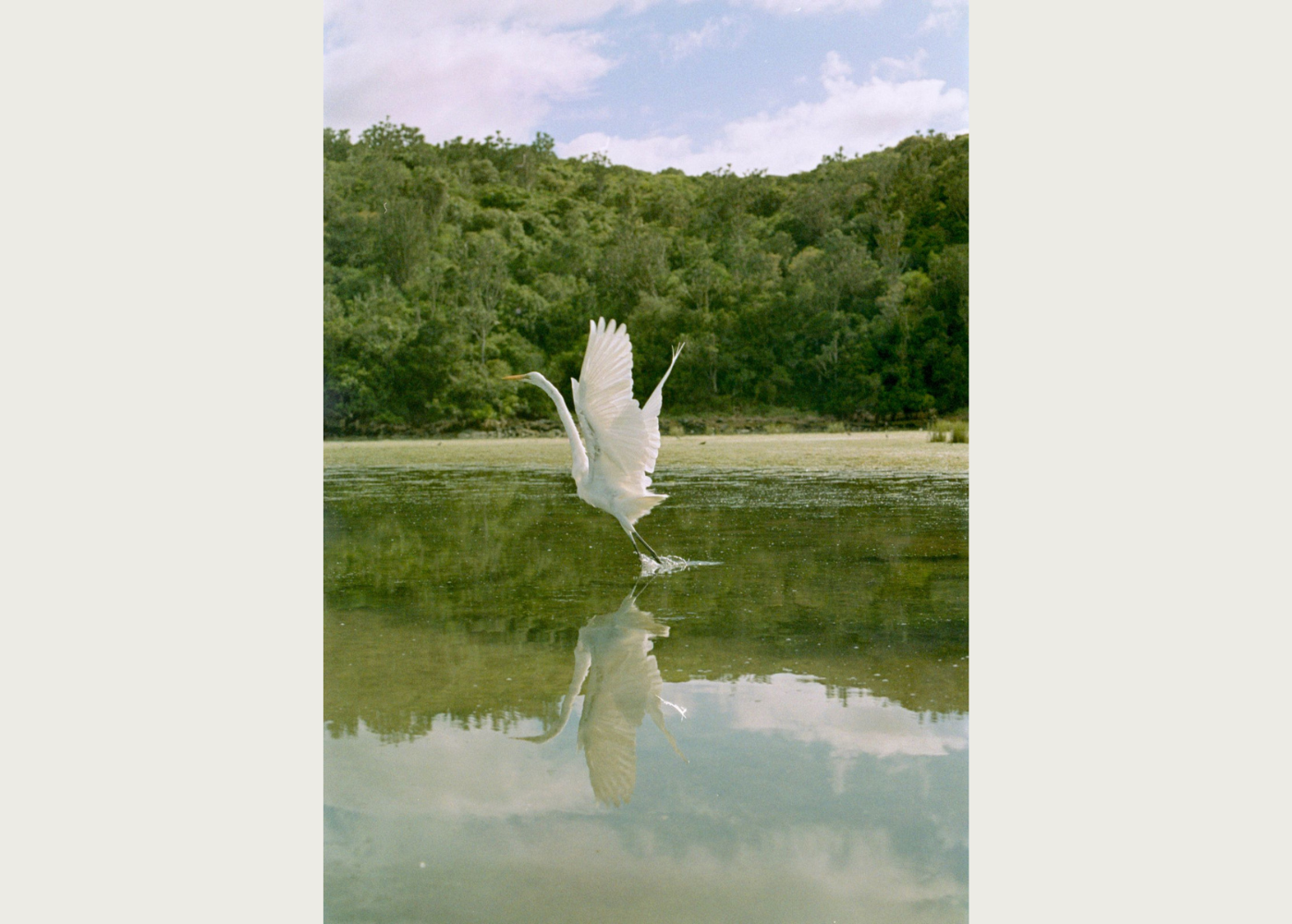
As I began to dig into our family history and recognise the pattern of mental illness and generational trauma, I felt the weight and fear of it bearing down on me. And so I went to the only place I knew I could find healing and peace: the water. On the eastern coast of South Africa, we live by an estuary where the river meets the ocean, and I go to the water constantly to find myself, to lose myself, to heal. I take my children and my camera with me.
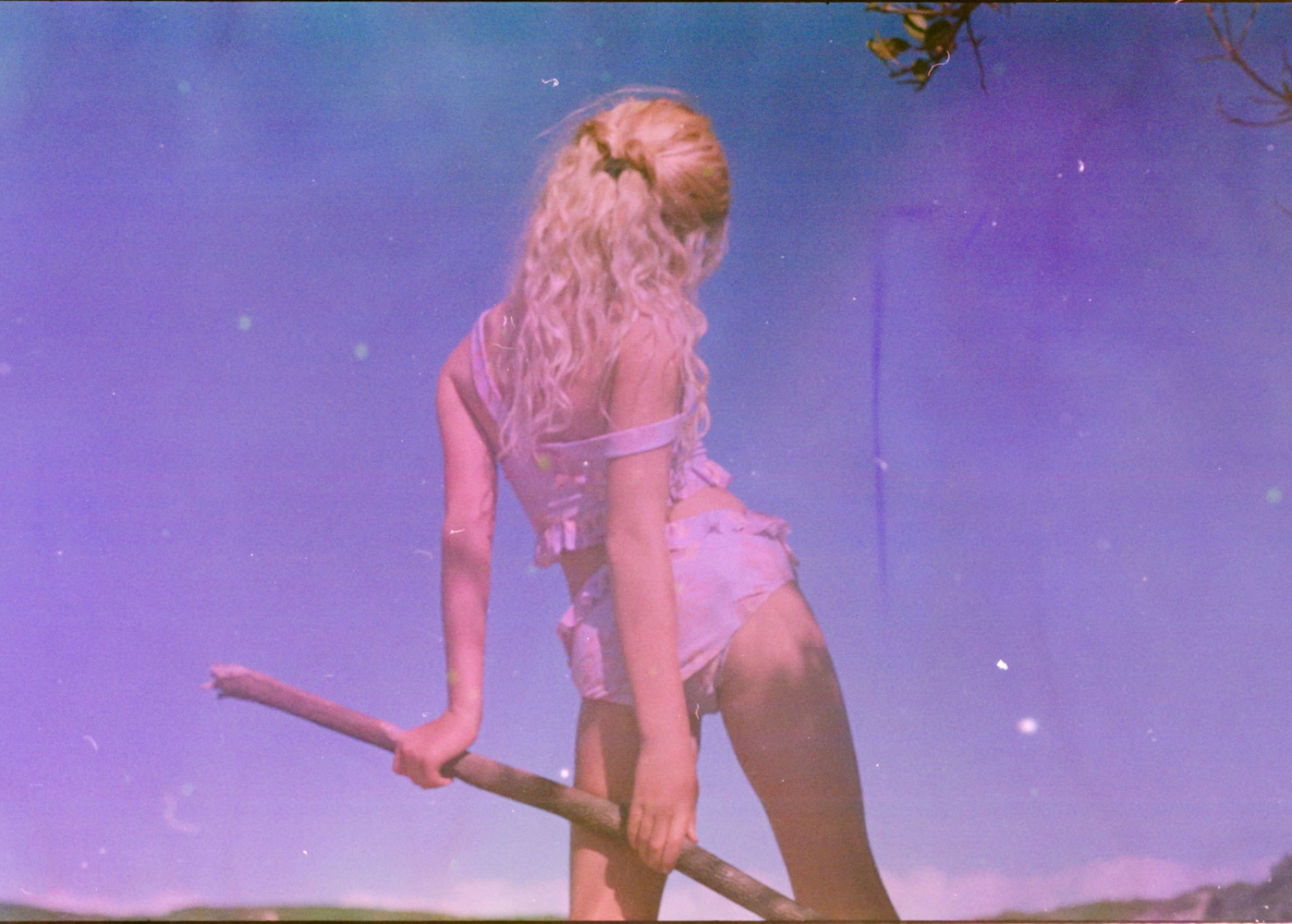
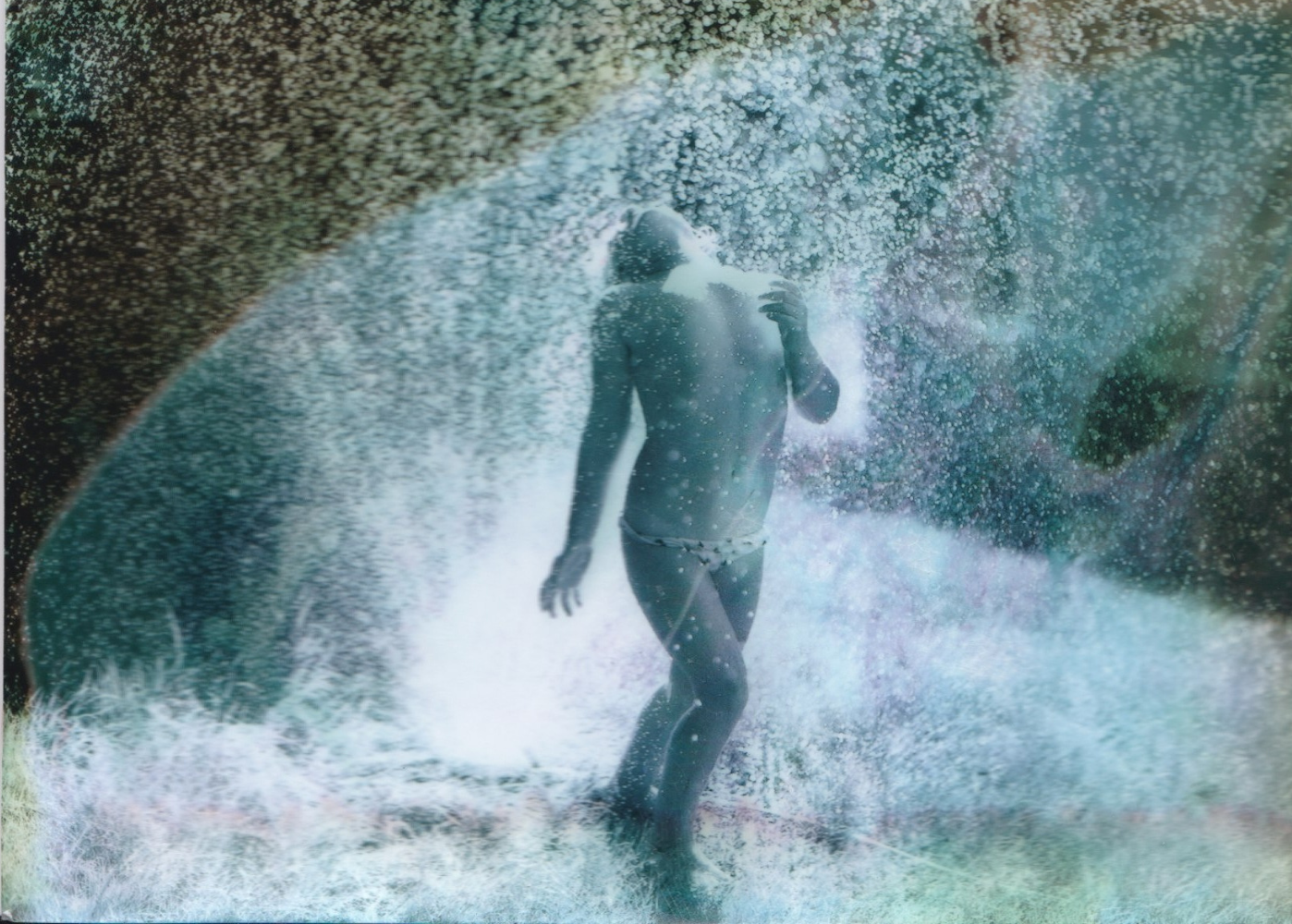
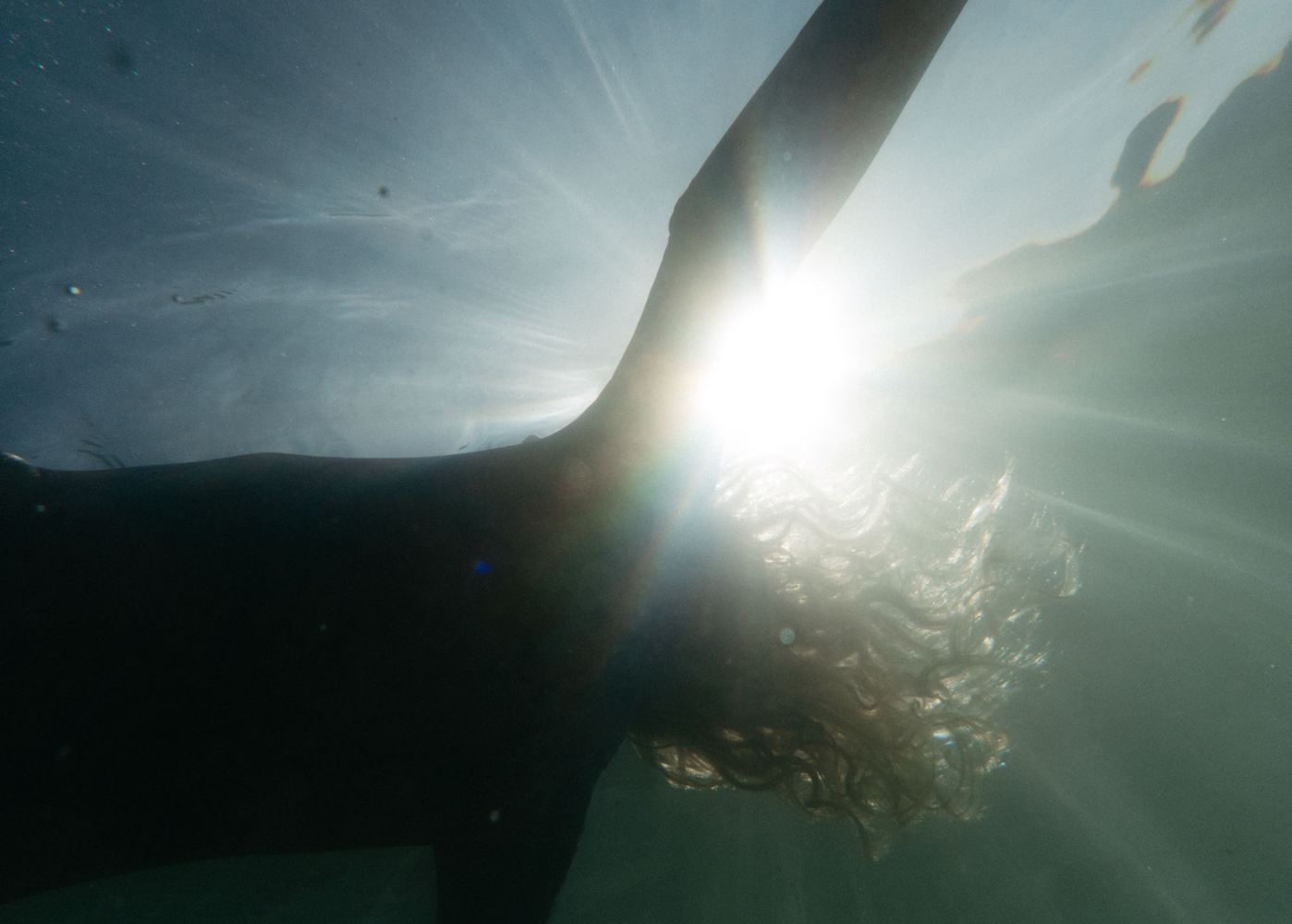
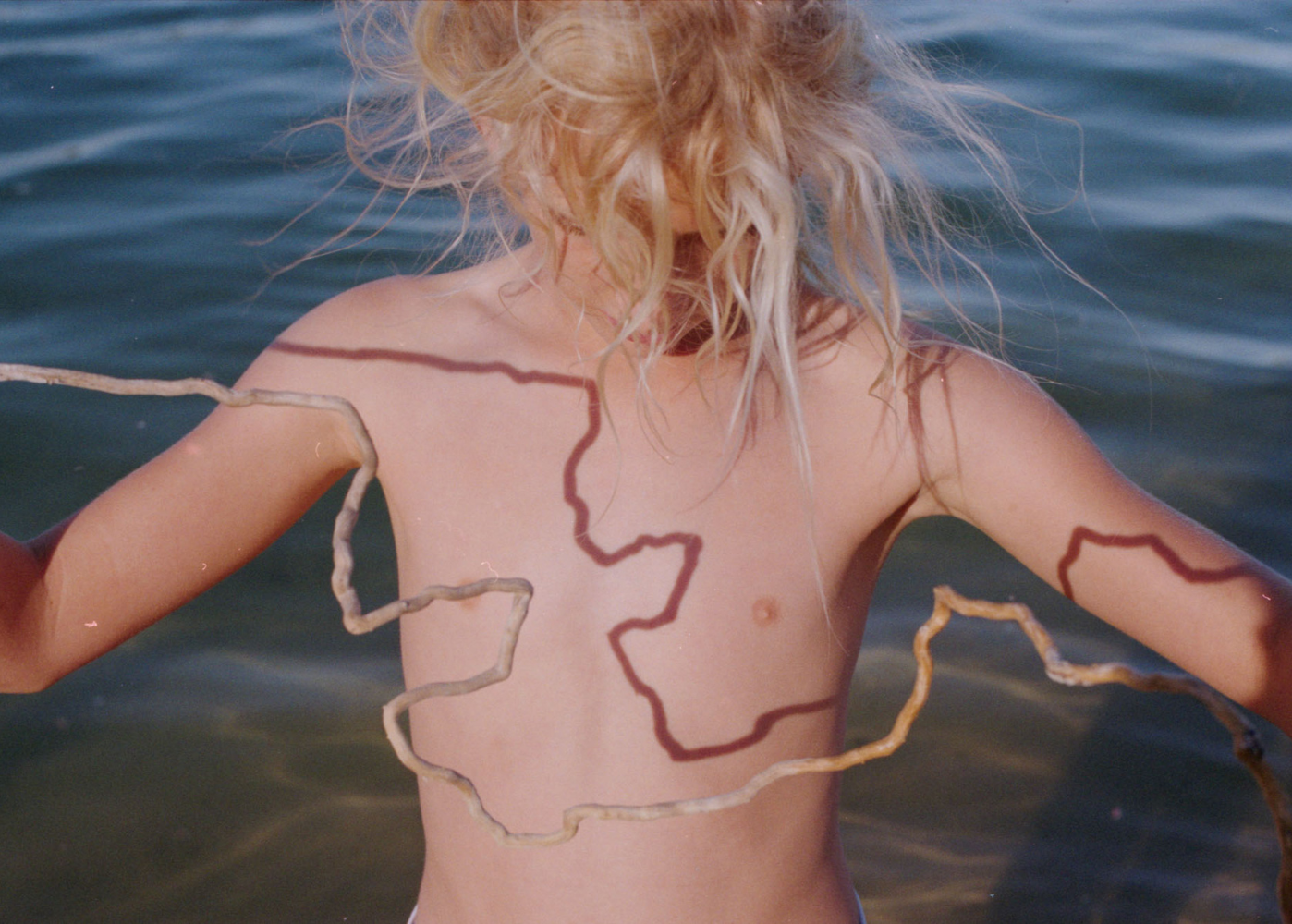
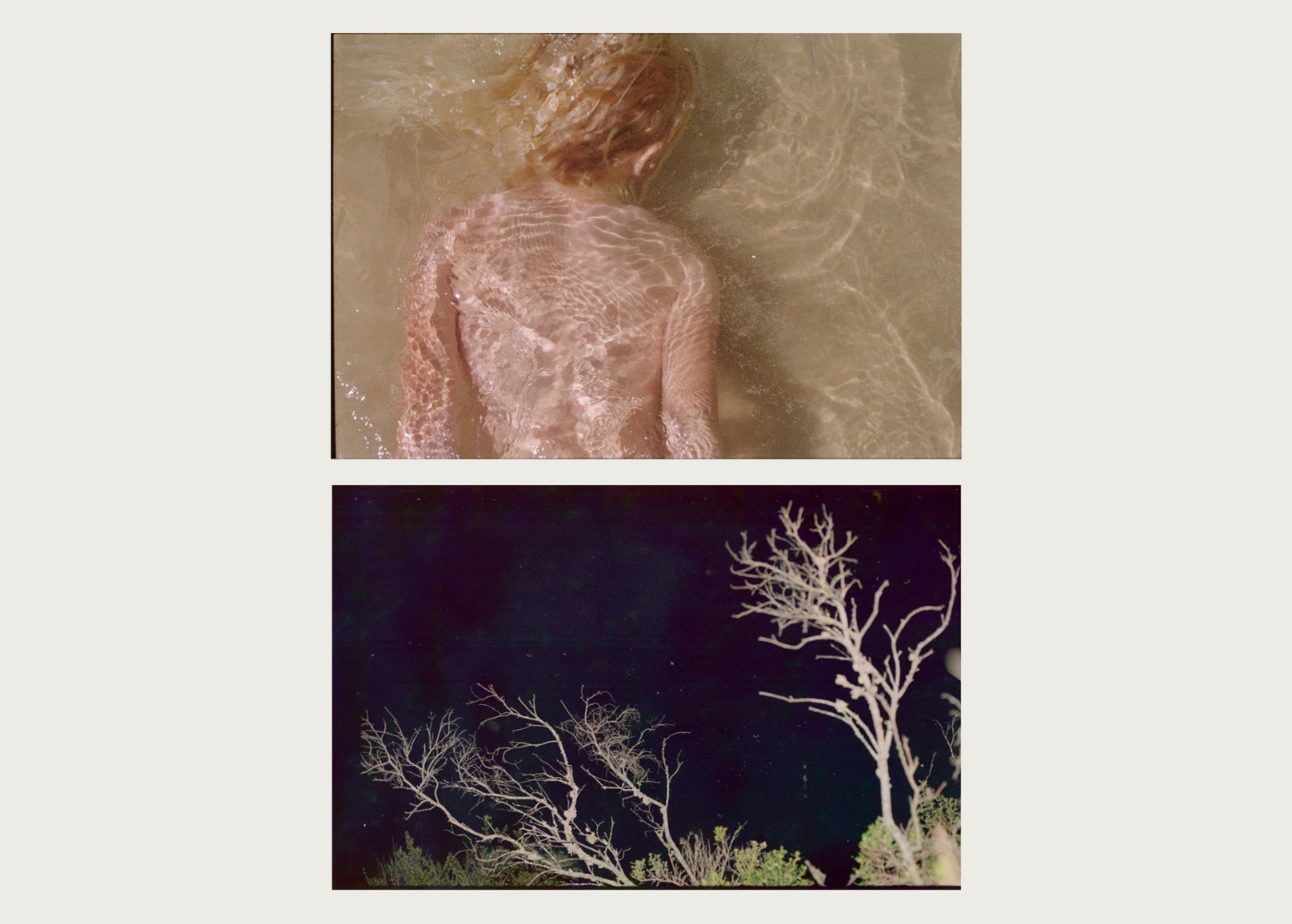
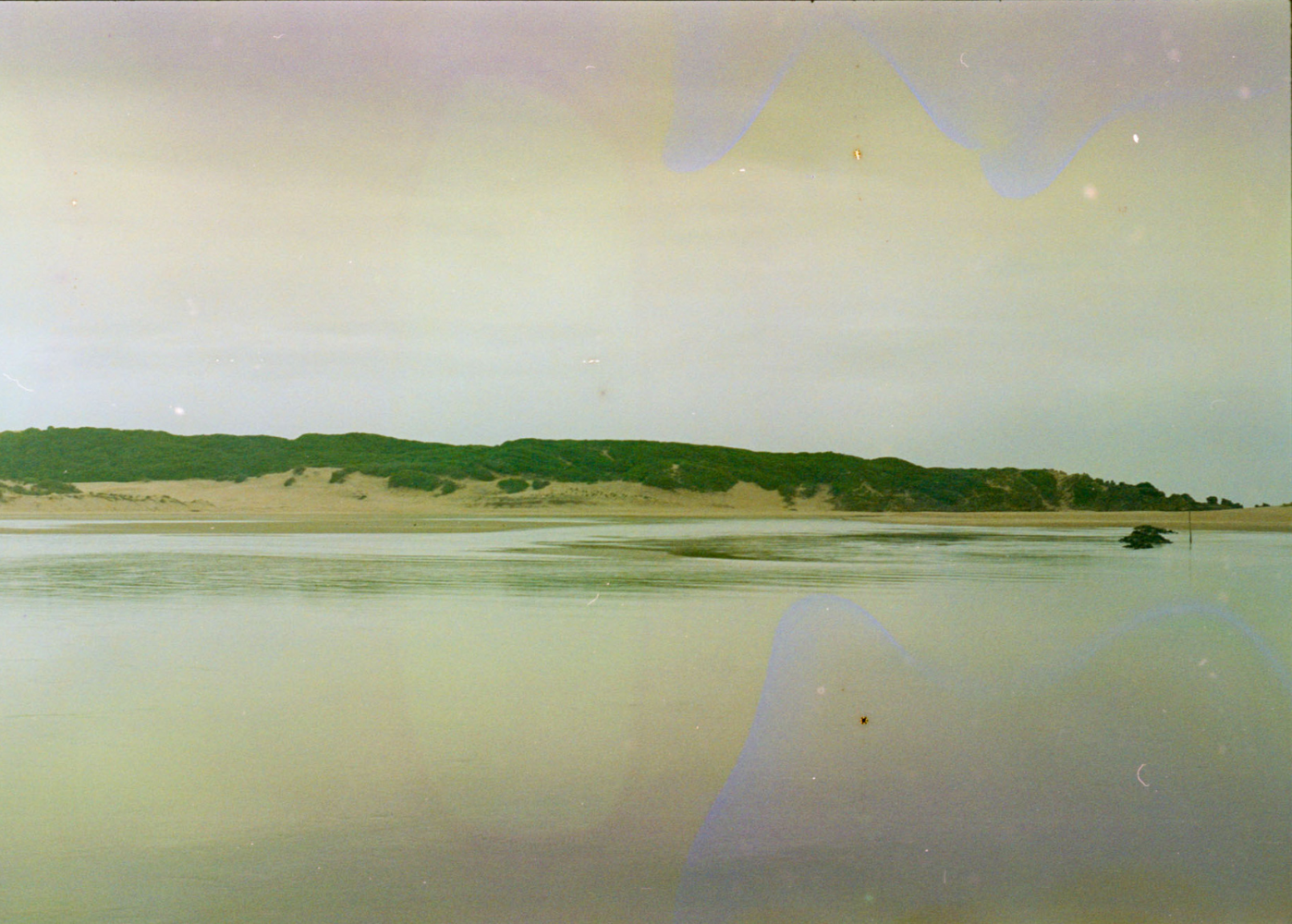
What emerges is a slow sense of peace and a body of work that defies perfection and control. I photograph the children and the river on film, and I submerge the rolls of film in the salty water. A purification ritual, or perhaps a baptism. I invite the water, the great unknown, the mystery, to collaborate with me and make art. My father added water to our photos by accident. I invite the water in. I’m learning that art, like children, needs love and care, but also the freedom to let go.
I go to the water over and over again,
Hoping to be cleansed,
I baptise my body
I baptise my soul
I baptise the rolls of film in the salt water
I invite the magic of the universe into an alchemical co-creation
I hope the film isn’t ruinedI hope the children turn out alright.
By Sophie Smith