

The Undesirables
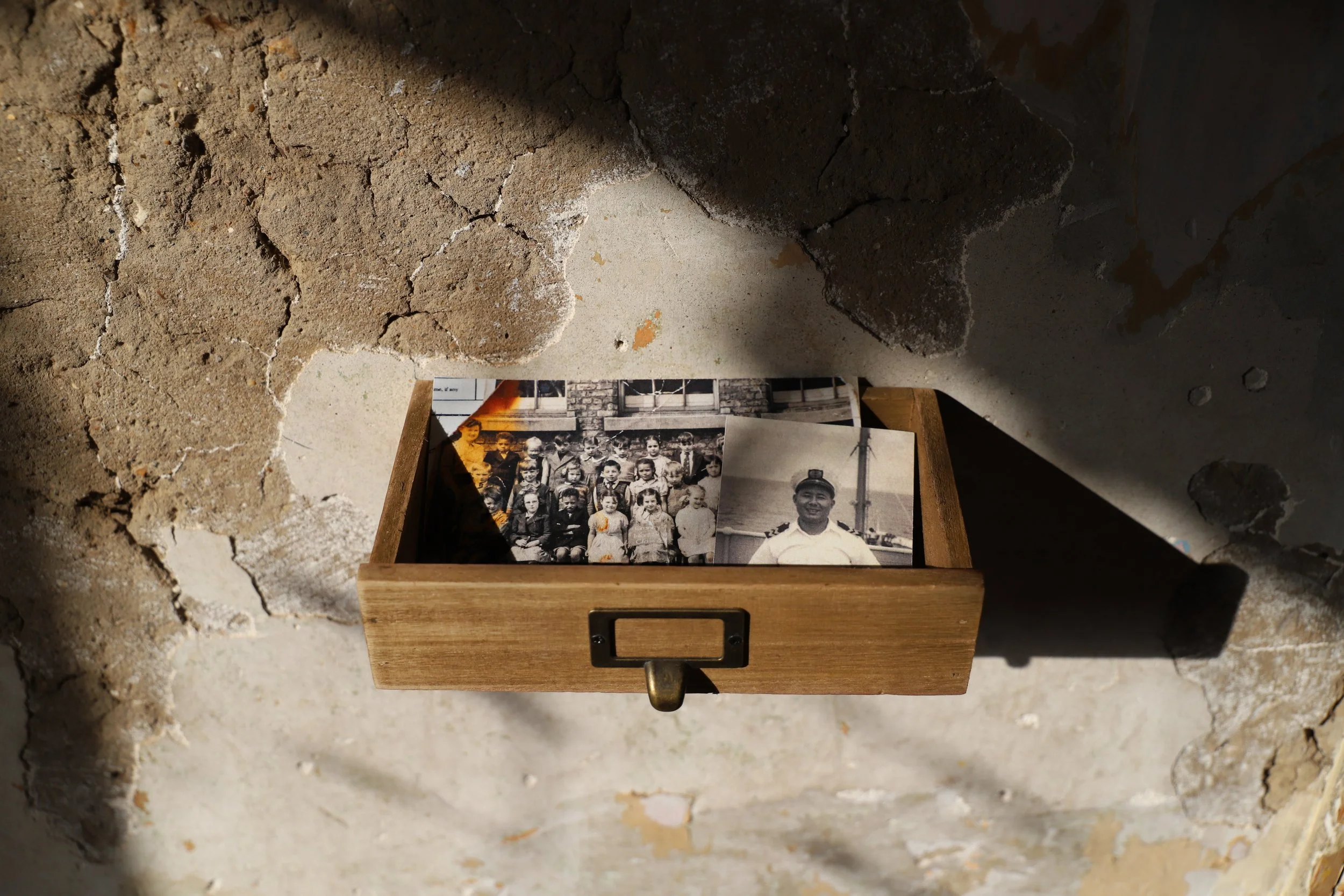
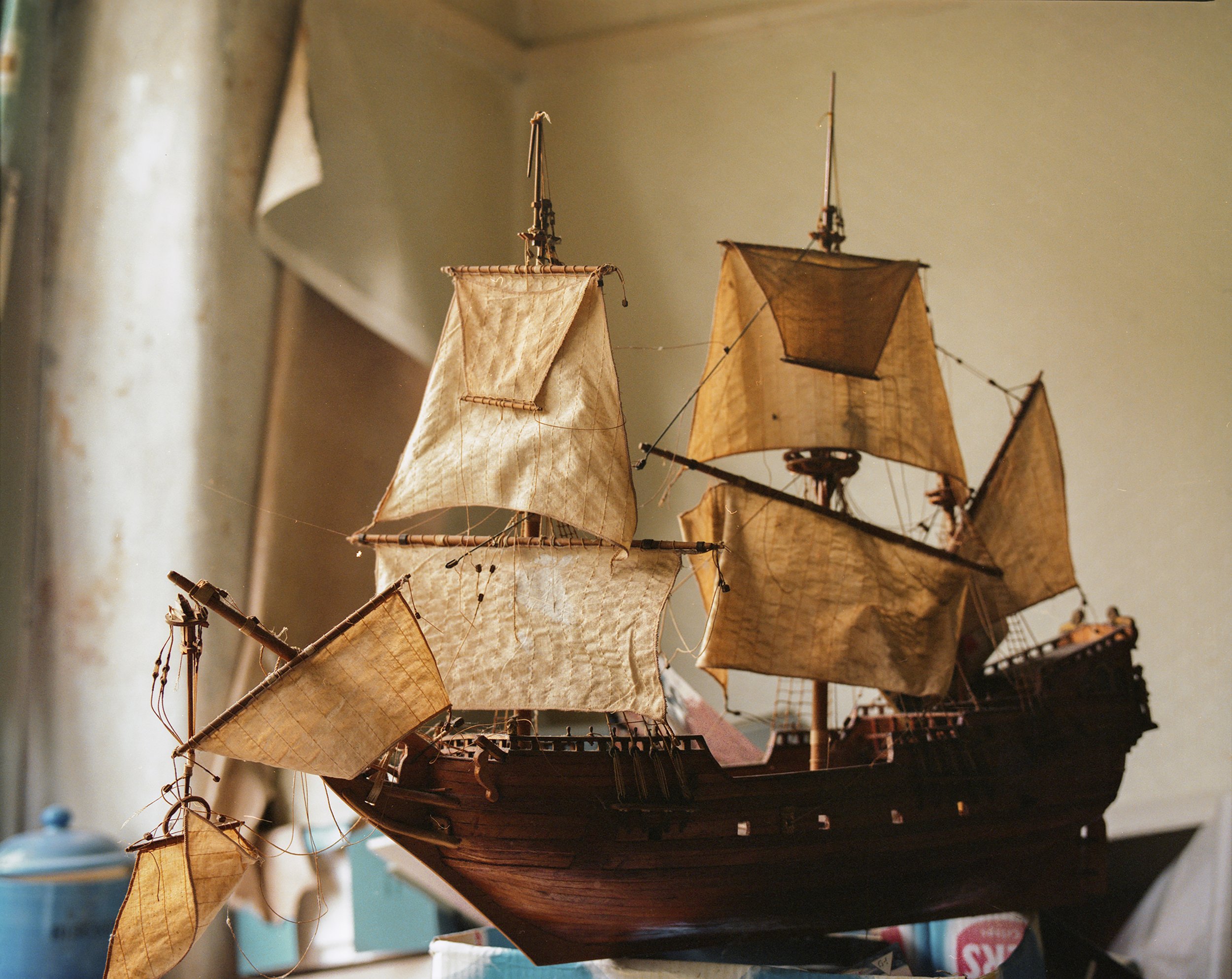
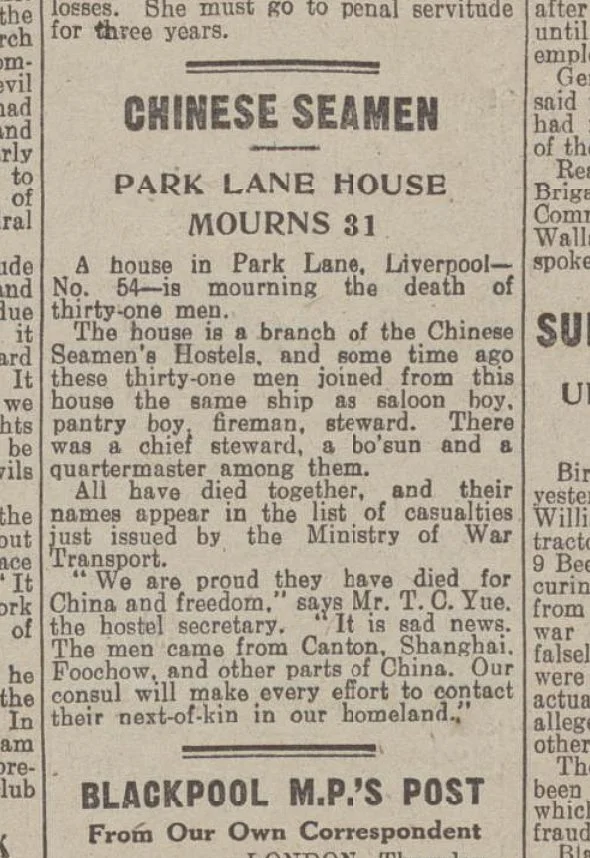
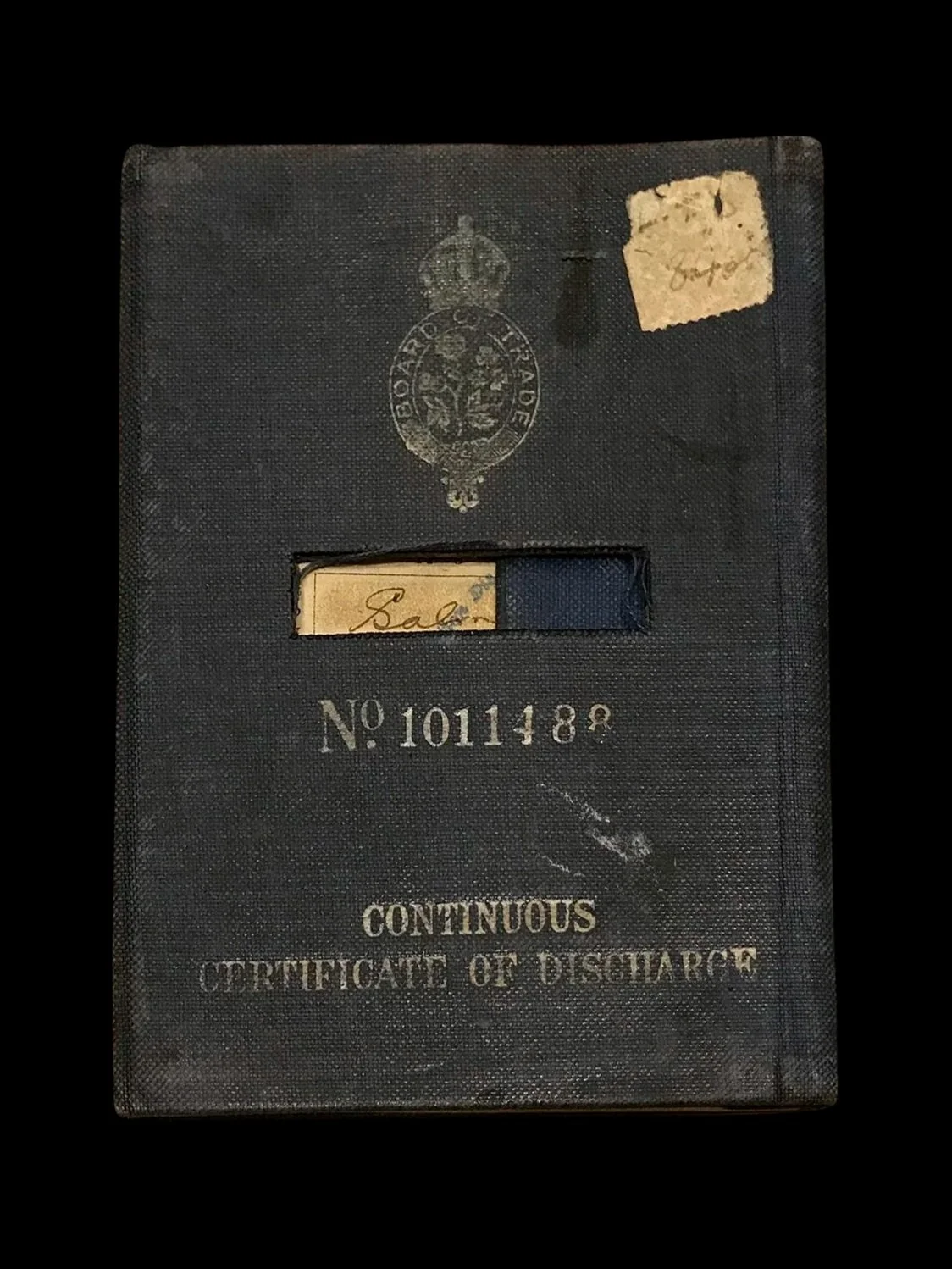
Somewhere in the National Archives sits a Home Office file, reference HO 213/926. Its title, "Forced Repatriation of Undesirable Chinese Seamen," is bureaucratic in its efficiency and brutal in its implications. The men it refers to had sailed on British merchant vessels through the Second World War, keeping supply lines open at mortal risk to themselves. When the war ended, their reward was to be quietly, secretly, erased.
This is the history that artist-researcher Hester Yang has spent the last several years trying to pull back into the light. Her ongoing mixed-media project, The Undesirables, is a meditation on state violence, suppressed memory, and what happens to the generations left behind when a government decides to pretend a community never existed.
Surplus to requirements
In the mid to late 1940s, groups of Chinese seamen disappeared from the streets of Liverpool. They did not leave voluntarily. Police wagons moved through the streets. Men hid in attics. "The wagons were in the streets, there was men hiding in attics," one descendant recalls in Yang's film. "They know they were forced, because too many of them went missing."
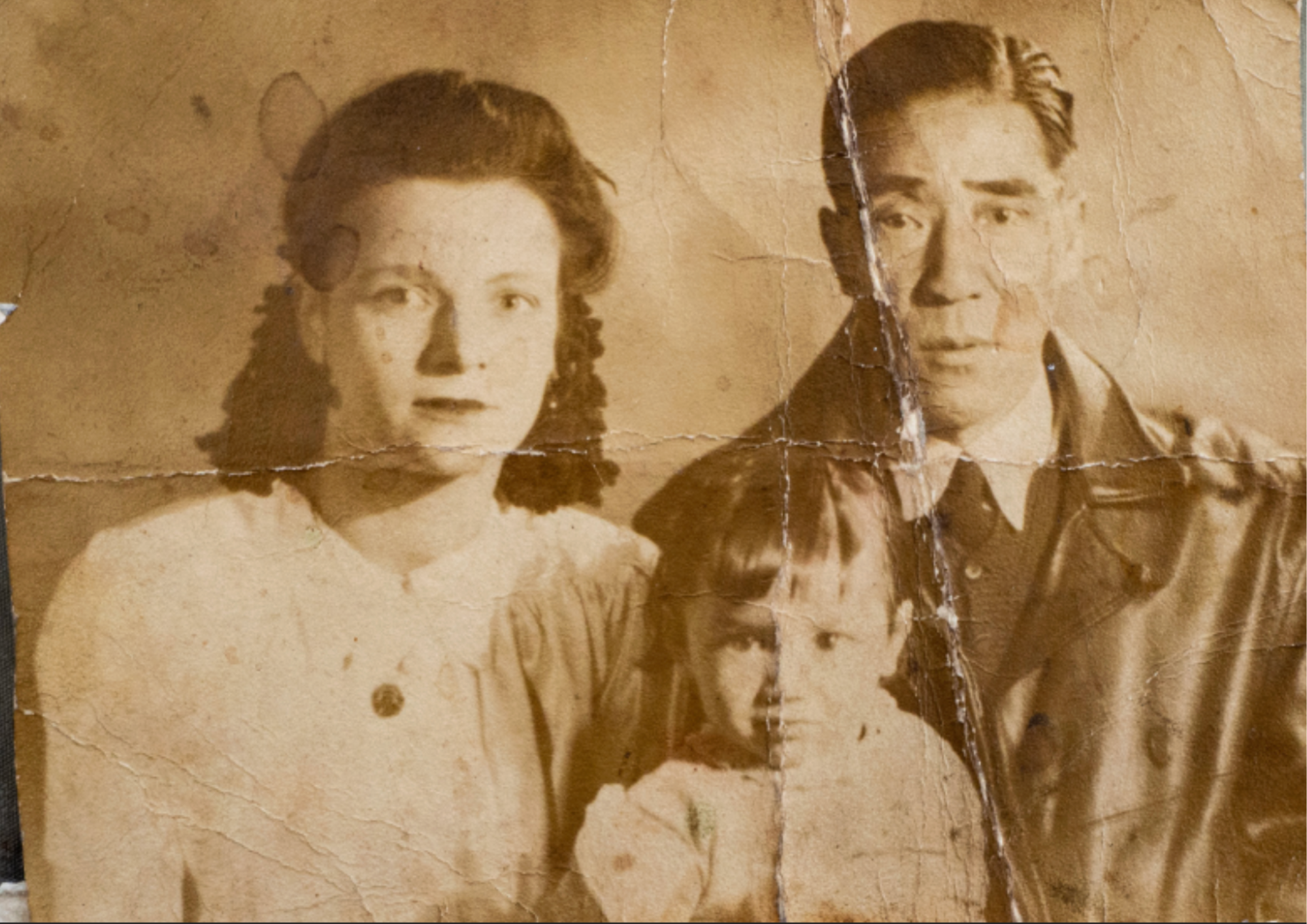
The men had settled in Liverpool over decades, many having arrived through the city's role as one of Britain's primary ports. They had married local women, had children, built lives. When the raids came, they were rounded up, taken to the docks, and ferried onto ships over three days. Their wives were given no information. "Anyway he didn't come home," one voice says.
The women eventually worked it out for themselves. "They know they were forced, because too many of them went missing." Some travelled to London to confront the Chinese embassy directly. Others were told nothing for so long that they came to believe their husbands had abandoned them. "She felt like he'd betrayed us," one descendant says. "We didn't deserve to know about him." And when you ask around, the film notes, quite a lot of the mothers felt the same.
The truth was concealed for over half a century. And even now, many details remain elusive.
What the documents say
One of the most powerful things about Yang's work is that she simply holds the documents up to the light.
A Home Office memo dated 15th December 1945, reference H.O. Gen. 446/1/30, reports on the first two "bulk clearances" of Chinese seamen from Liverpool. The language is that of pest control:
Home Office internal memo, 15 December 1945
"The results were beyond our expectations and fully justified the firm line which has been taken... When the numbers are thinned down it should not be difficult, if energetic steps are taken, to weed these out of the restaurant kitchens, laundries etc. in which they have found employment in various parts of the country."
Men who had worked on British ships during wartime, who had built homes and families in Liverpool, are described as things to be "weeded out" from their own workplaces. The memo continues, offering a psychological assessment of the men being deported with the kind of casual authority that makes the stomach turn:
"At the Home Office conference I put forward the view that the attitude of the average Chinaman was that it was for the authorities to find him, but once caught he accepted the position stoically. Results up to now bear this out."
There is a particular cruelty in this framing. The official reads the men's resignation in the face of deportation not as defeat, not as a rational response to having no legal recourse, but as a kind of ethnic temperament. Stoic by nature. Accepting of the inevitable. An earlier memo from October 1945 had been explicit about why legal recourse would be unavailable to them:
Immigration Officers' Report, reference GEN 446/1/30
"The undesirable Chinese seamen will try every device to avoid repatriation but once they see that bribery and corruption and solicitors' letters will not avail they will accept the inevitable and no further resistance is offered."
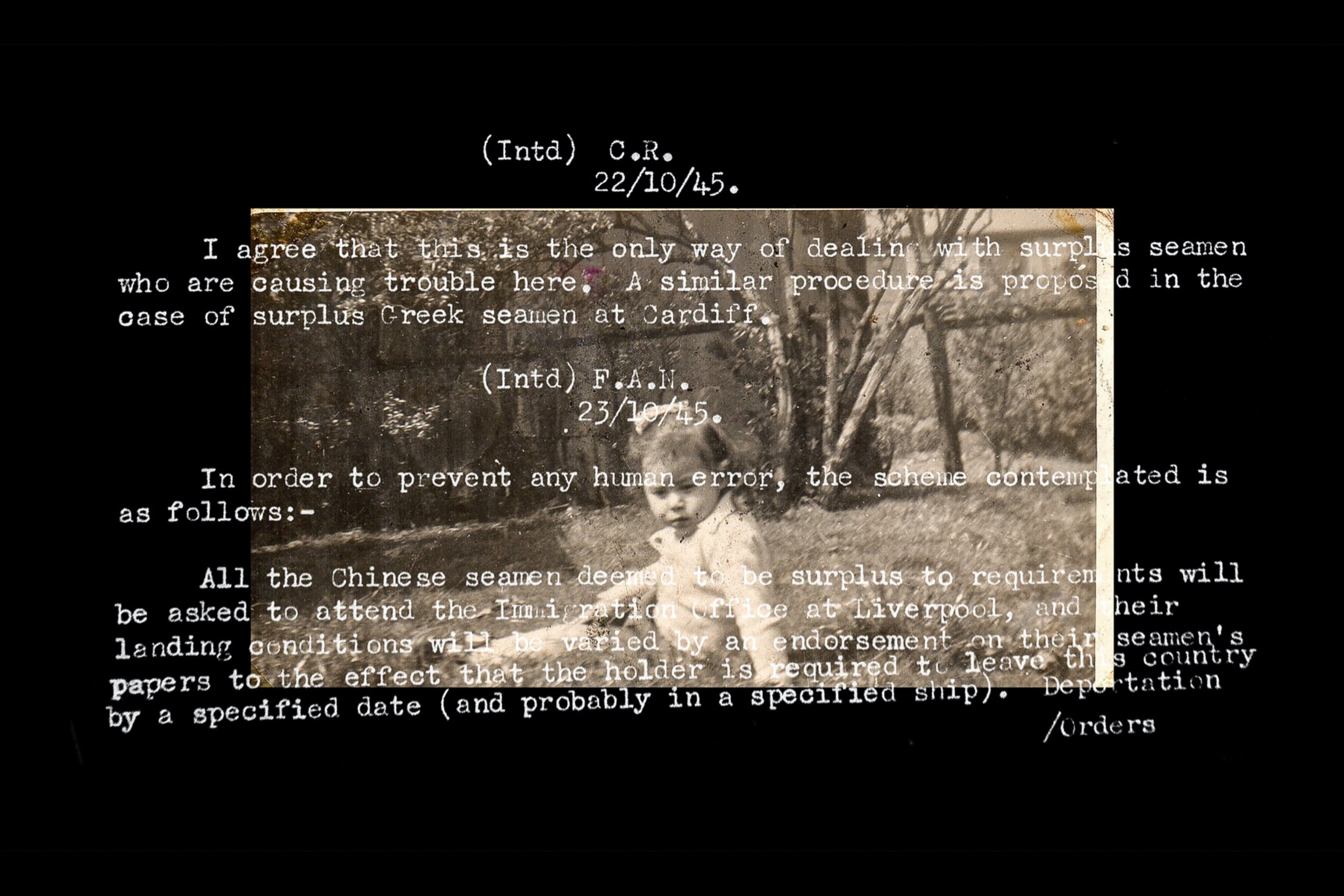
The men's attempts to seek legal counsel are classified alongside "bribery and corruption" as devices to be overcome. Another memo reveals that Chinese seamen "deemed to be surplus to requirements" would be summoned to the Immigration Office in Liverpool, where their papers would be endorsed with an order to leave "by a specified date (and probably in a specified ship)." A note about preventing "human error" is appended as an afterthought. The human error it is concerned with is not the error of deporting innocent men. It is the error of allowing any of them to escape.
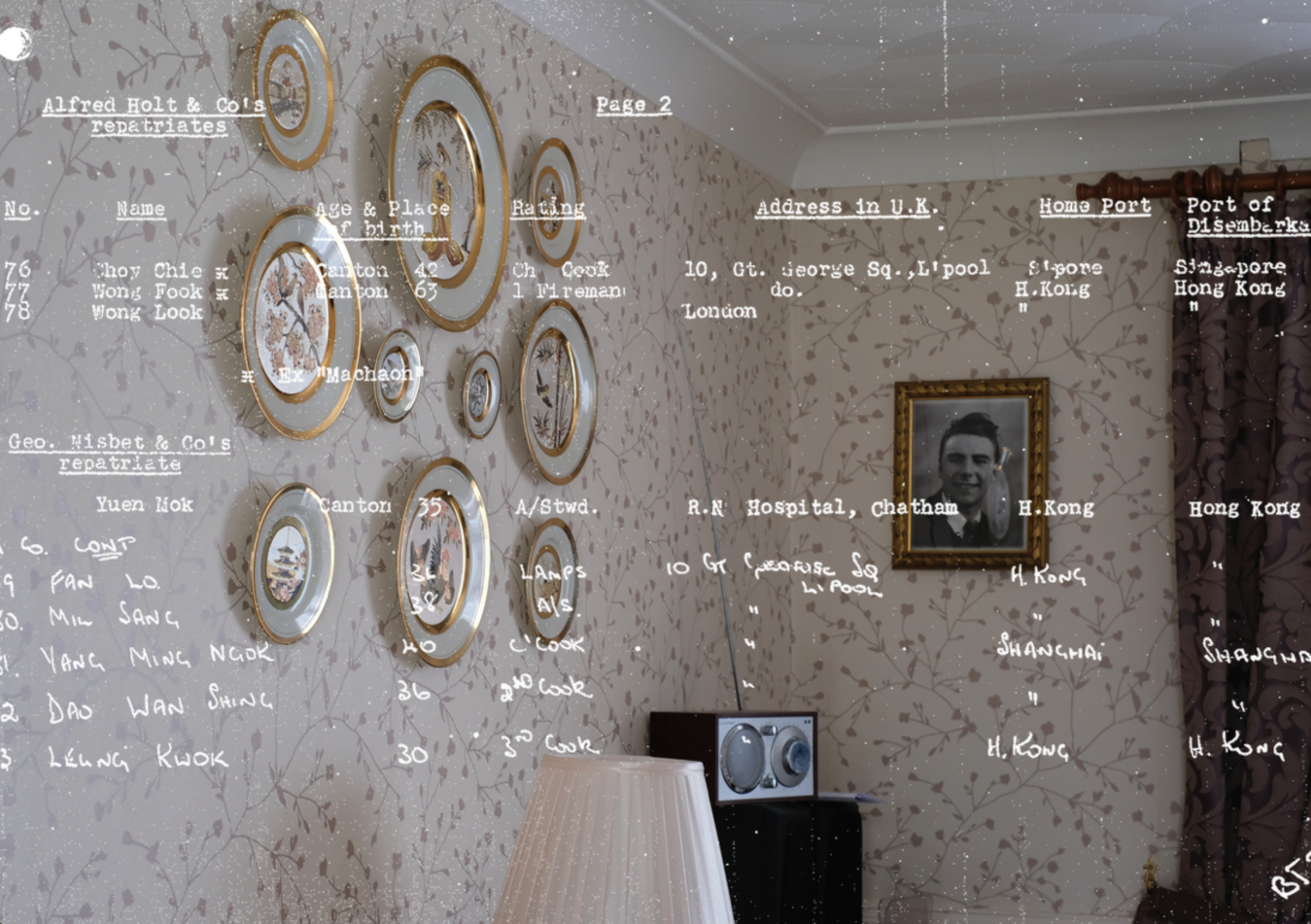
Yang prints these documents large. One reproduction covers most of a gallery wall at the Three Shadows Photography Award in Beijing. Over it, barely visible, is the image of a woman. The document becomes a surface, something to see through and also something that obscures.
The press and the climate of removal
The deportations did not happen in a vacuum. One of the works in the project is a collage piece that sets a series of newspaper cuttings from the 1930s and 40s against a photograph of Greetham Street in Liverpool, near Pitt Street, the heart of the old Chinatown. Pitt Street was later demolished in a slum clearance.
The headlines on the cuttings tell the story of how a community was constructed, in the public imagination, as a problem. "Chinese Riot in Ship: Official's Fear of His Life." "Anglo-Chinese Marriages: Liverpool Problem." "More Opium Smoking." "Chinese Police Clash Due to Agitation." Each draws from a familiar repertoire: violence, sexual threat, drugs, disorder. Together they build a picture of Chinese Liverpudlians not as workers, neighbours, fathers, but as a source of contamination.
The piece does not argue that the newspapers caused the deportations. It does something more subtle. It shows the landscape in which the deportations became thinkable, the media ecosystem that made the phrase "undesirable Chinese seamen" feel like a description rather than a political choice. The film surfaces a newspaper cutting headlined "British Wives of Chinese: A Wage and Living Crisis," reporting that 300 British wives of Chinese seamen had formed a defence association and sent a telegram to the Chinese ambassador appealing for intervention. Even this act of collective desperation by the women left behind was framed as a crisis, a problem to be managed.
What Yang's collage makes visible is the way media coverage and state policy reinforce each other. The newspapers gave the Home Office a public ready to accept that Chinese men in British cities were a problem. The Home Office gave the newspapers a story about a problem being solved. By the time the deportations happened, the community had already been, in a sense, deported from public sympathy.
Art as archive, archive as evidence
Yang's approach to this history is not documentary in any conventional sense. Working across film, photography, sound, and archival intervention, she has developed a practice that is as much about how histories get suppressed as it is about recovering the specific one at hand.
She draws on the practice of Portuguese documentary filmmaker Susana de Sousa Dias, who describes her method as resisting "from the inside," using the archive against its own creators. Rather than simply presenting historical evidence, Yang performs interventions on it, layering family photographs over government documents, juxtaposing the official language of deportation orders with images of the children those same orders left behind.
Her Erasure Series takes this further still. Drawing on the literary tradition of erasure poetry, she works through a 1910 London magazine article titled Chinese in England, A Growing National Problem, one of the earliest representations of Liverpool's Chinese community in popular media. By physically erasing the most explicitly racist and orientalist passages, the remaining words form a new hidden narrative that gestures towards the secret deportations that would come three decades later. The original text is turned against itself.
Collective memory, fragmented testimony
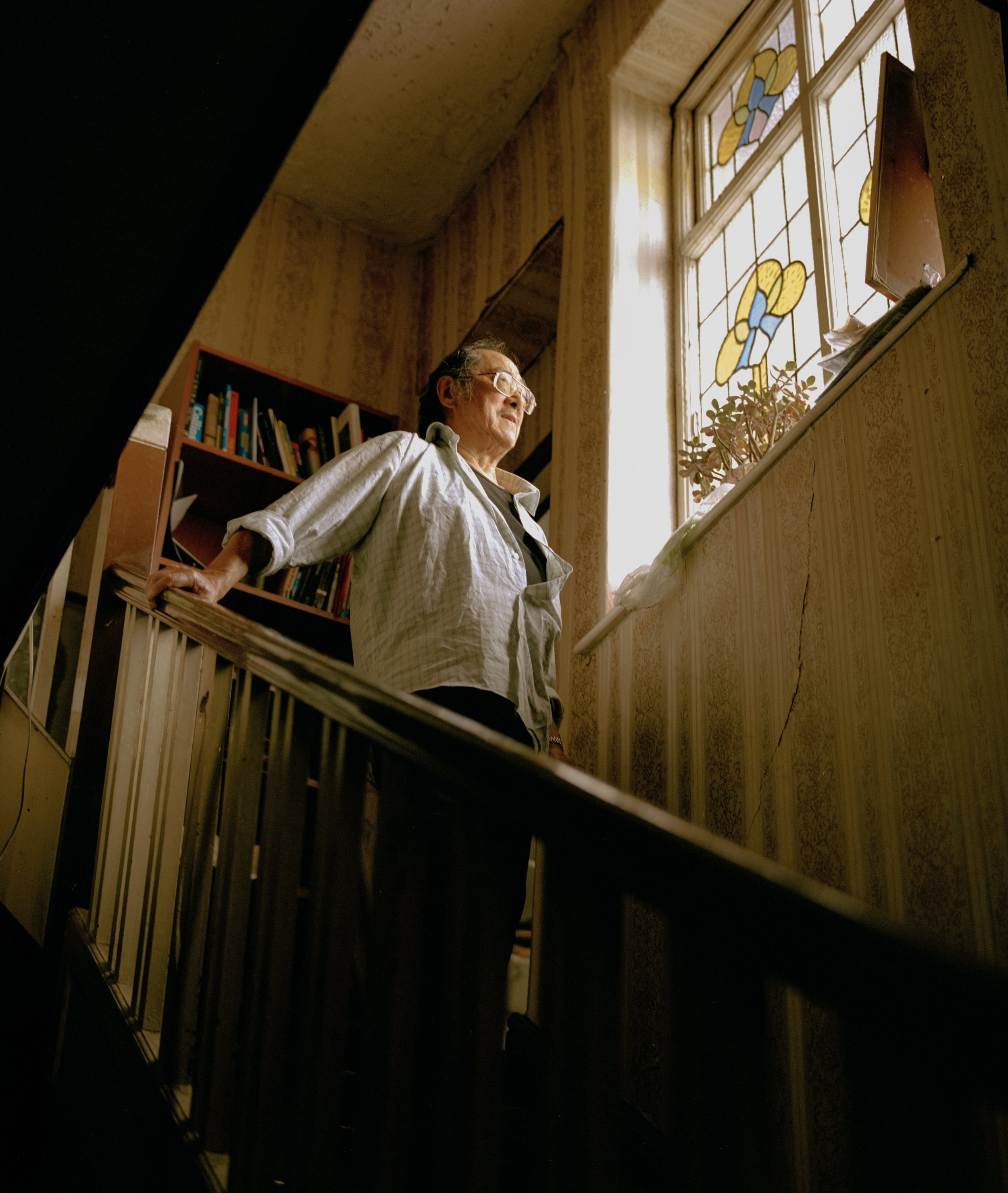
What distinguishes The Undesirables from purely archival work is its rootedness in lived experience. Yang has worked closely over many years with the descendants of the deported seamen, a community of Eurasian Liverpudlians who grew up without fathers, often without understanding why, navigating an identity shaped by a loss they could not name.
The film's testimonies are disjointed and non-linear in the way that traumatic memory tends to be. "My nan spoke about multiple raids on her house," one voice says. "What they were looking for was his documentation." Another describes a child returned to his mother at twelve years old, put on a train, with no context and no explanation. "That was a big shock to him."
The mothers, it emerges, often compounded the silence. Some had been left so destitute overnight, with children and no income, that their grief curdled into something else. "There was such a big resentment to being left destitute overnight with children," one descendant explains. The mothers' shame and rage meant many children grew up knowing almost nothing about their fathers or their heritage. "She had no Chinese, nothing," one person says of their mother. "She never celebrated Chinese New Year, she never had a red envelope. She doesn't know any of that." The deportation didn't just remove the men. It severed the thread of culture and belonging for the generation that came after.
Why now
It would be tempting to treat this as history. It is not.
The question of who is "surplus to requirements," of who is welcomed as labour and expelled when that labour is no longer convenient, is not a relic of postwar Britain. It is the logic of the Windrush scandal, of the Hostile Environment policy, of every iteration of British immigration enforcement that has criminalised presence and severed families.
Yang does not make this argument explicitly in her work. She does not need to. The archive makes it for her. The memo about weeding men out of restaurant kitchens was written in 1945. The policy of making life in Britain so hostile that people choose to leave was written in 2012. The language changes. The structure does not.
The work in the world
The Undesirables has been shown at the Migration Museum in London, at esea contemporary in Manchester, at Open Eye Gallery in Liverpool, the city where the history it excavates actually happened, and at the Three Shadows Photography Award in Beijing. In 2024, it appeared in the New Contemporaries exhibition at Camden Arts Centre, one of the most significant platforms for emerging British artists.
Beyond the project, Yang co-founded Sine Screen in 2022, an independent curatorial collective supported by the British Film Institute and Arts Council England, dedicated to showcasing moving image work from East and Southeast Asia. She is not simply making work about overlooked communities. She is building the infrastructure through which overlooked communities can be seen.
Hester Yang is an artist-researcher based in London and Beijing. Her practice works across sound, moving image, and archival intervention, exploring histories shaped by displacement, racialised labour, and migration.
More of her work, including the full Erasure Series, at hesteryang.com