

Steve’s Collages
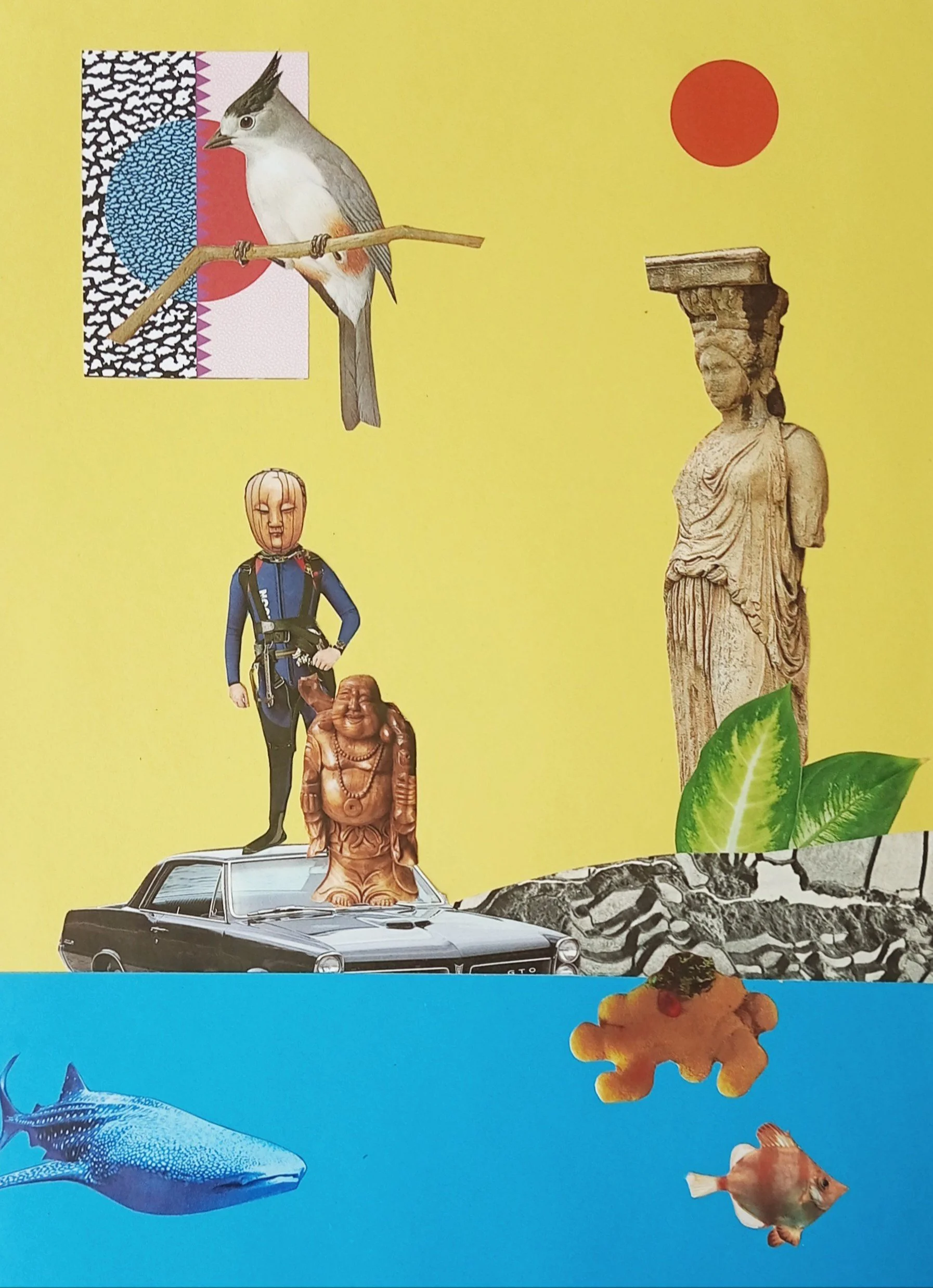
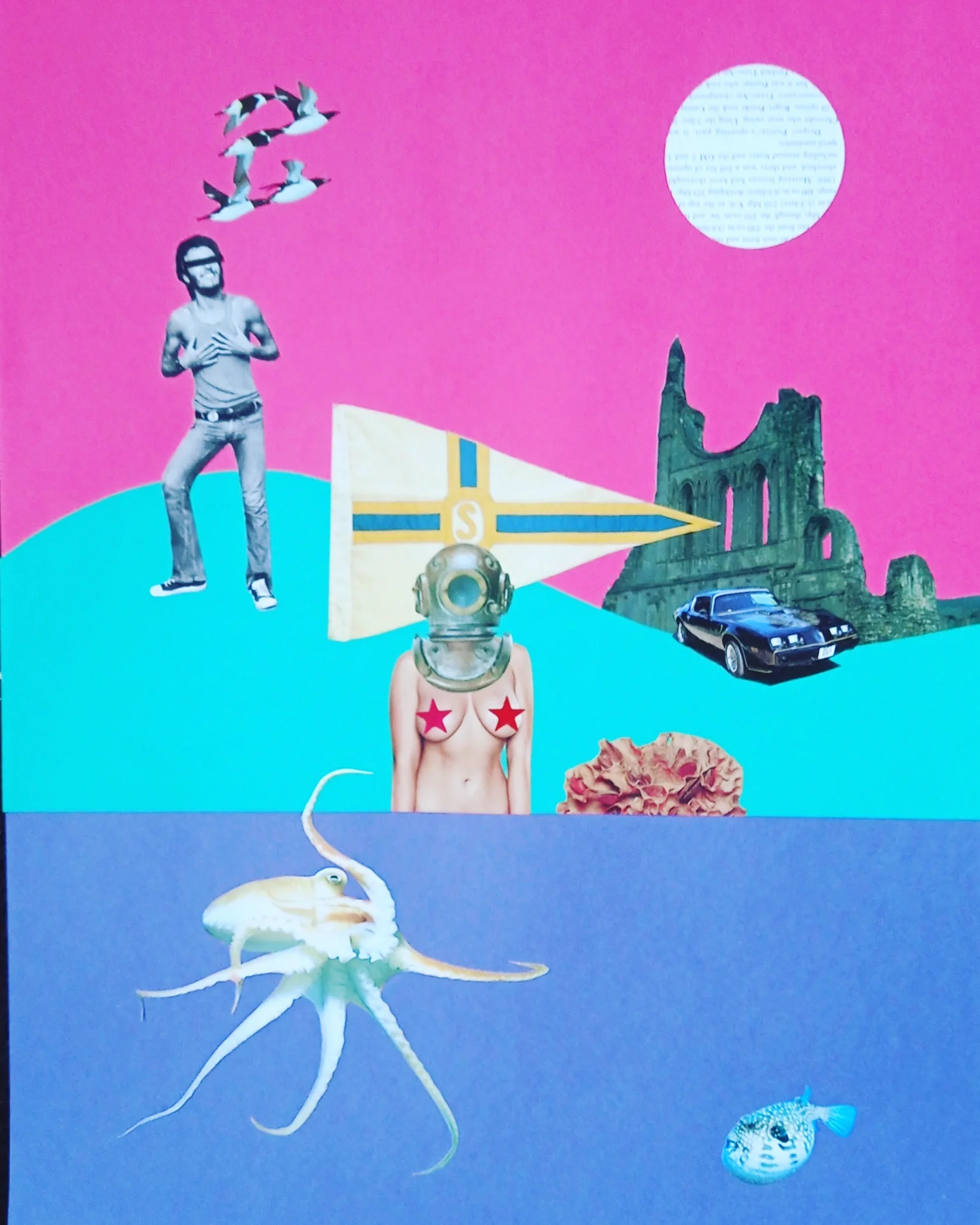
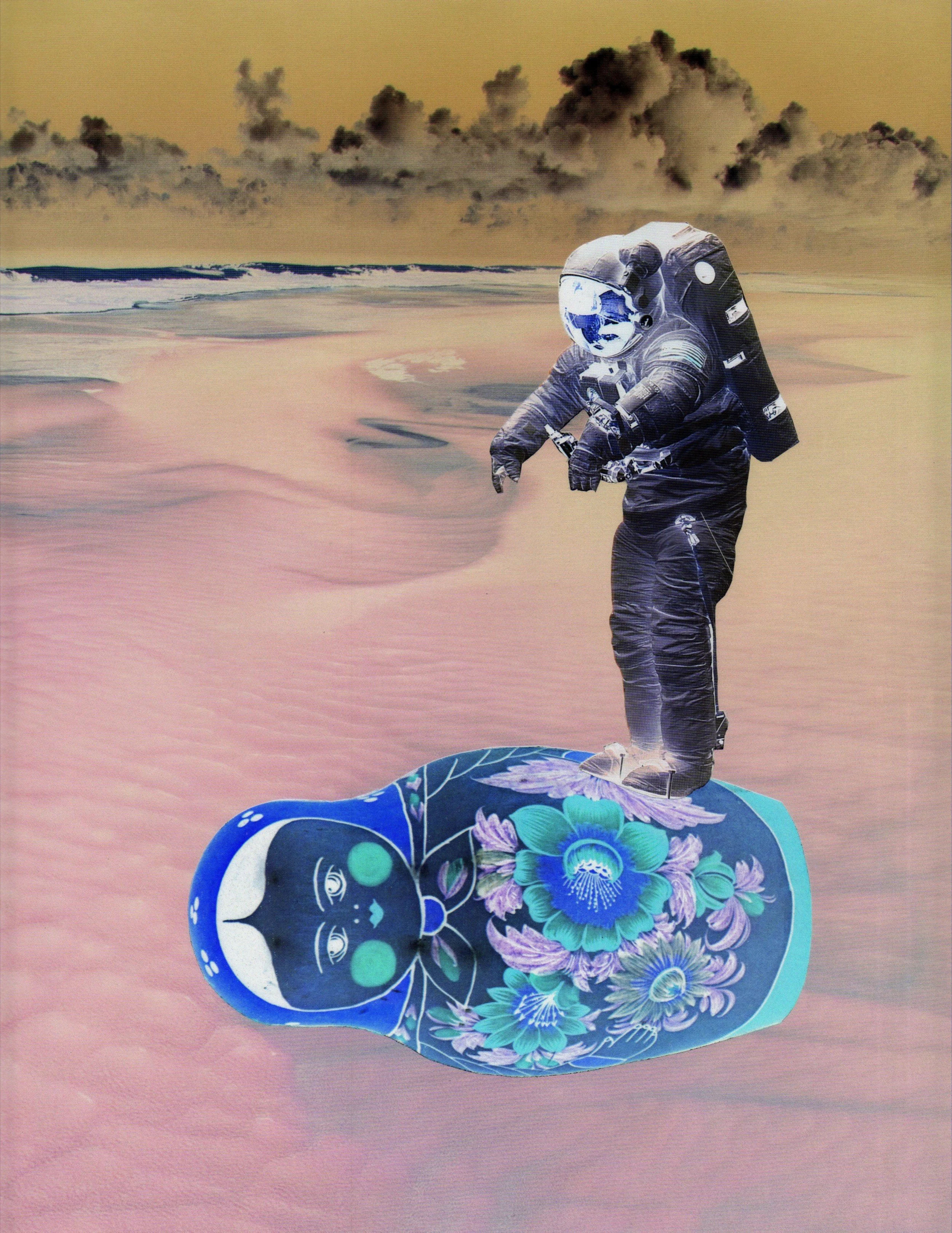
I studied graphic design in the early 80s, before everything went digital. I never really clicked with it — I was more interested in experimenting than sticking to the rules — and I ended up failing the course. At the time it felt like a big deal, but looking back it just pushed me in a different direction. We live in a world that’s obsessed with ‘success’ which is utter bullshit, and bores me senseless. This is why the Dunning/Kruger effect fits so many people in positions of power; they can never admit they’ve fucked up, particularly in politics. Failure is underrated and merely a method of finding your way onto the right path, something rarely acknowledged.
I have made collages on and off for a long time. Drawing was never my strength, but putting images together — the layout, the balance — is what I naturally lean towards. Over the past few years I’ve made a lot of work, mostly without overthinking it. I tend to follow instinct and figure out what it’s about afterwards.
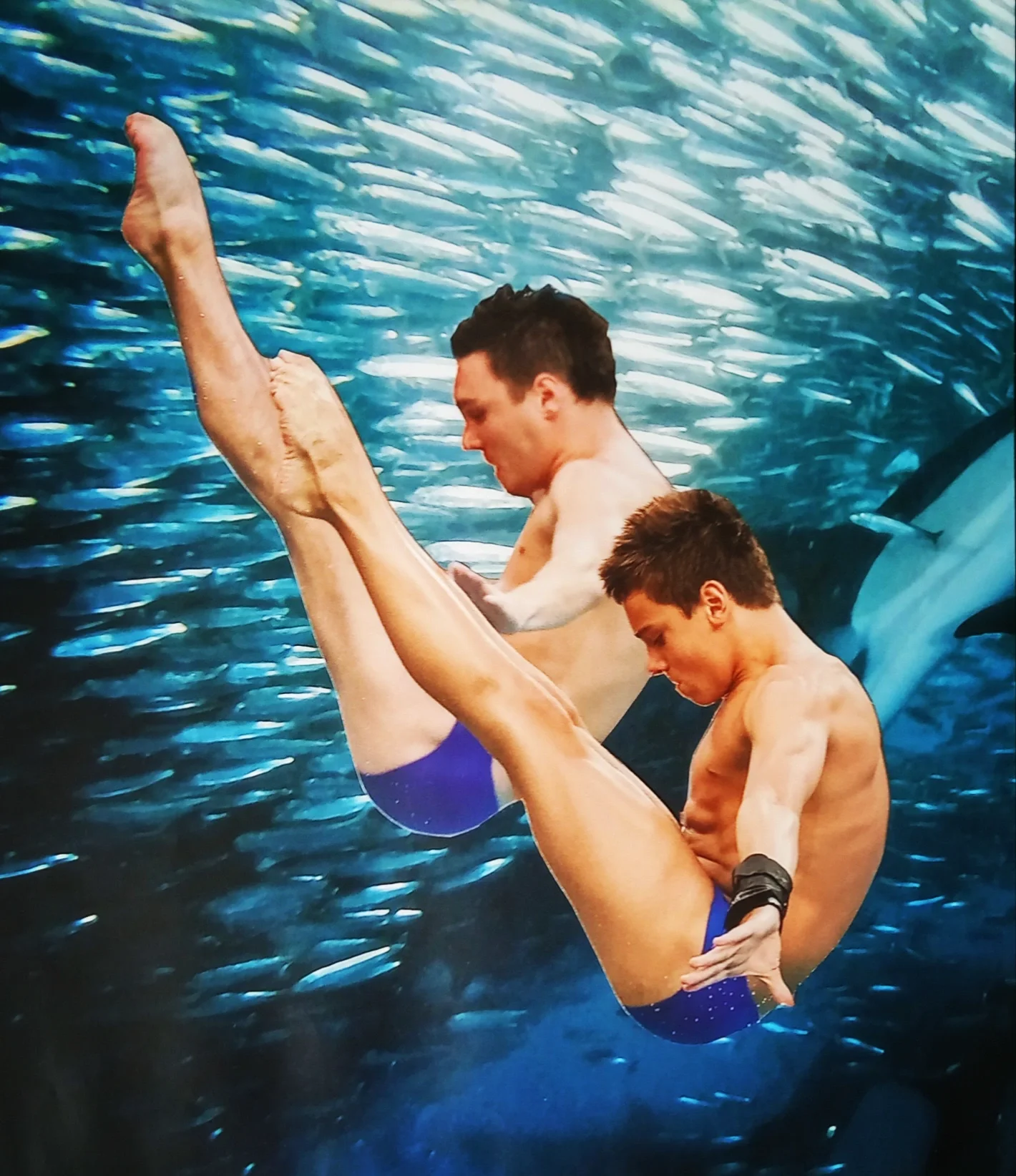
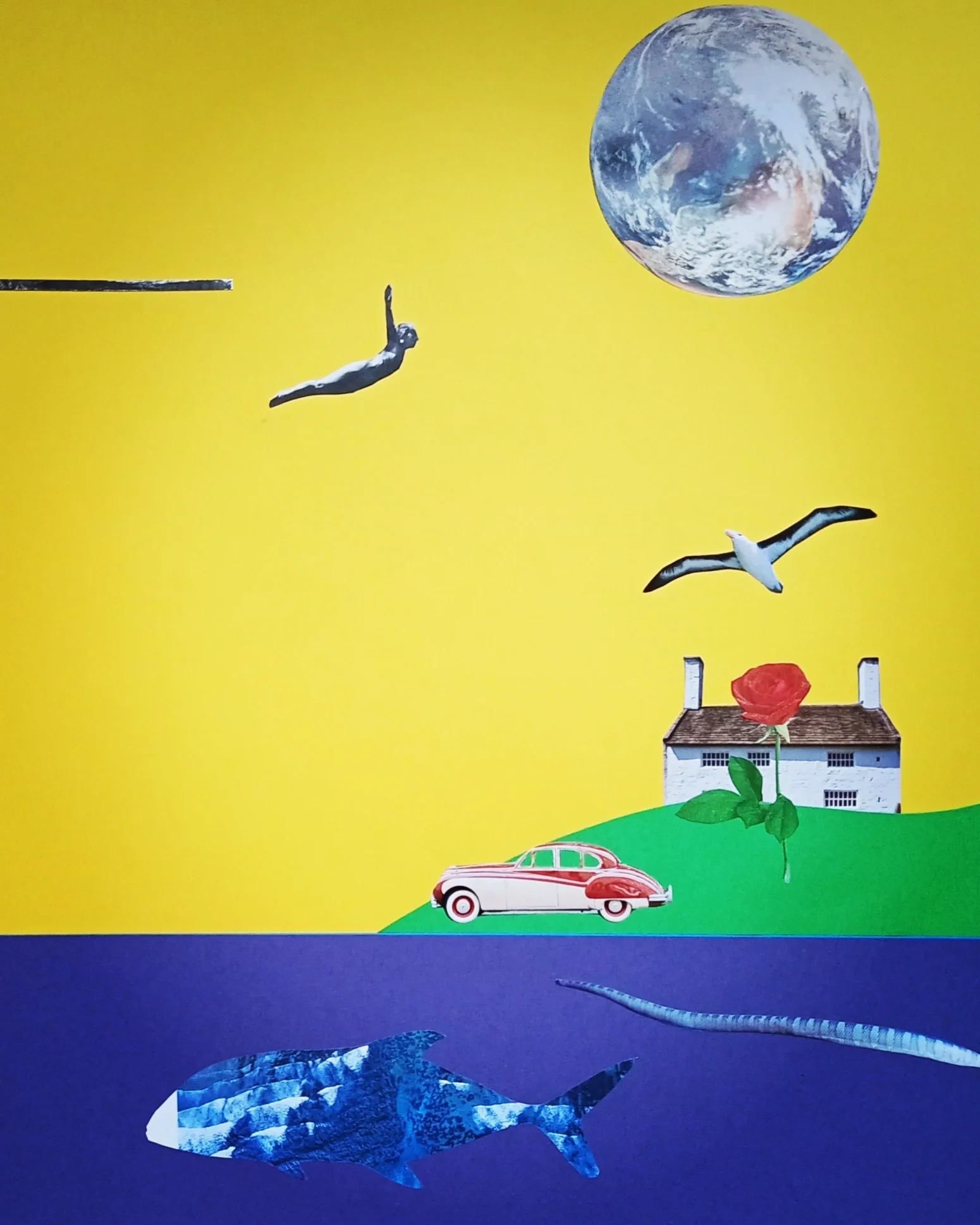
I’ve produced hundreds of collages over the past few years. Generally, they are created unconsciously. Taking a step back, and looking at the work as a whole, I can see recurring themes. One of these is the therapeutic qualities of nature, and particularly swimming. It’s less about the sport itself and more about the feeling of being submerged — that sense of switching off, or being somewhere else for a moment.
A lot of my work is shaped by things I’ve read or watched over the years — books, films, bits of culture that stick. For example Amy Liptrot’s The Outrun, in which wild swimming is a recurring motif. Swimming often shows up as a kind of escape or reset, and this romantic interpretation of the sport has definitely fascinated me over the years. Incidentally, I hate most sports because it brings back memories of being bullied at school. The sports I do like – like golf, tennis and swimming – are solitary endeavors.
Haunts of the Black Masseur is the first seriously expansive book about the cultural and historical significance of swimming. It is the only book ever written by Charles Sprawson and I first read it in the early 90s (Amy Liptrot writes the forward to the last reprint). Before swimming became the domain of athletes, it was a second home to poets, artists and writers; as if immersion in water were a portal to unlocking the deeper mysteries of the universe (Lord Byron claimed greater triumph from swimming the Hellespont – a perilous stretch of water that connects Europe with Asia – than any of his poetical works).
One of the most underrated films of the 60s is The Swimmer. It was way ahead of its time. Described by Burt Lancaster as “Death of a Salesman in swimming trunks”, it follows Ned Merrill — a man clinging to the idea that he’s heroic, when he clearly isn’t. Americans are brainwashed to buy into the ‘dream’ at a young age, and so a film about divorce, family estrangement and business failure didn’t have a chance at the box office.
The idea itself is simple: Merrill decides to “swim home” via the pools of his resentful Connecticut neighbours. It sounds absurd, but there’s something compelling about it. Lancaster’s physical presence is hard to ignore, he wascertainly one of the most physically commanding actors who ever lived. The scenes of him gracefully swimming in slow motion are beautiful to witness, and those slow, suspended moments are what stayed with me, and what I keep coming back to in my own work.
The film — and the John Cheever story it’s based on — taps into something bigger than the plot. In my own art, I’m trying to find a similar balance between the body and water — something calm, but slightly out of reach. A harmony and equilibrium between man and water.
That probably sounds pretentious. But swimming always feels like it offers a tantalizing prospect, one that can’t ever be realized: A fantasy that one will emerge from the water reborn, cleansed of the fears and hurt of the past.
As Charles Sprawson puts it - ‘the swimmer as hero.’