

The Flood is Coming

Satellite image of flooding in Sindh, Pakistan, August 2022
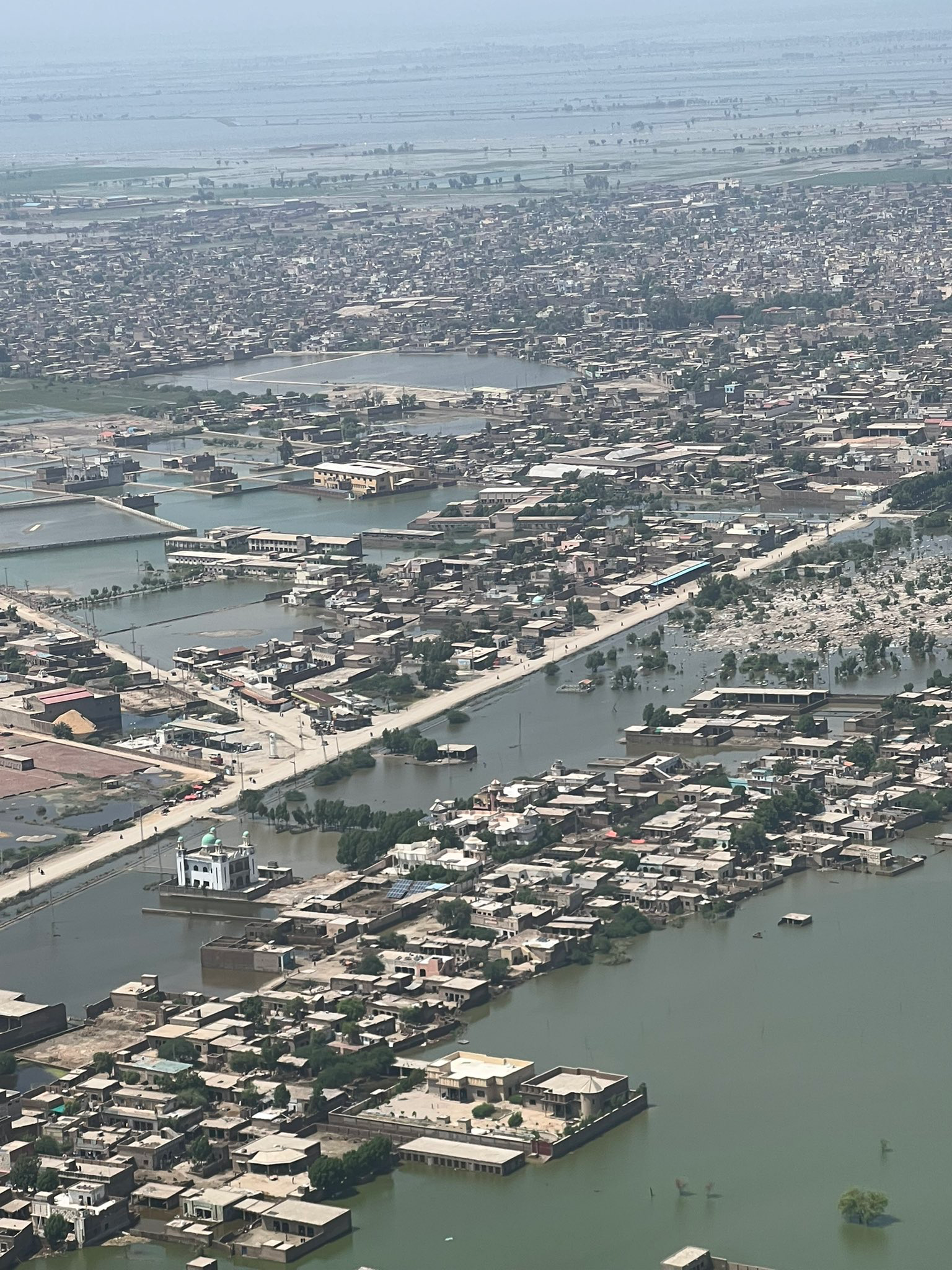
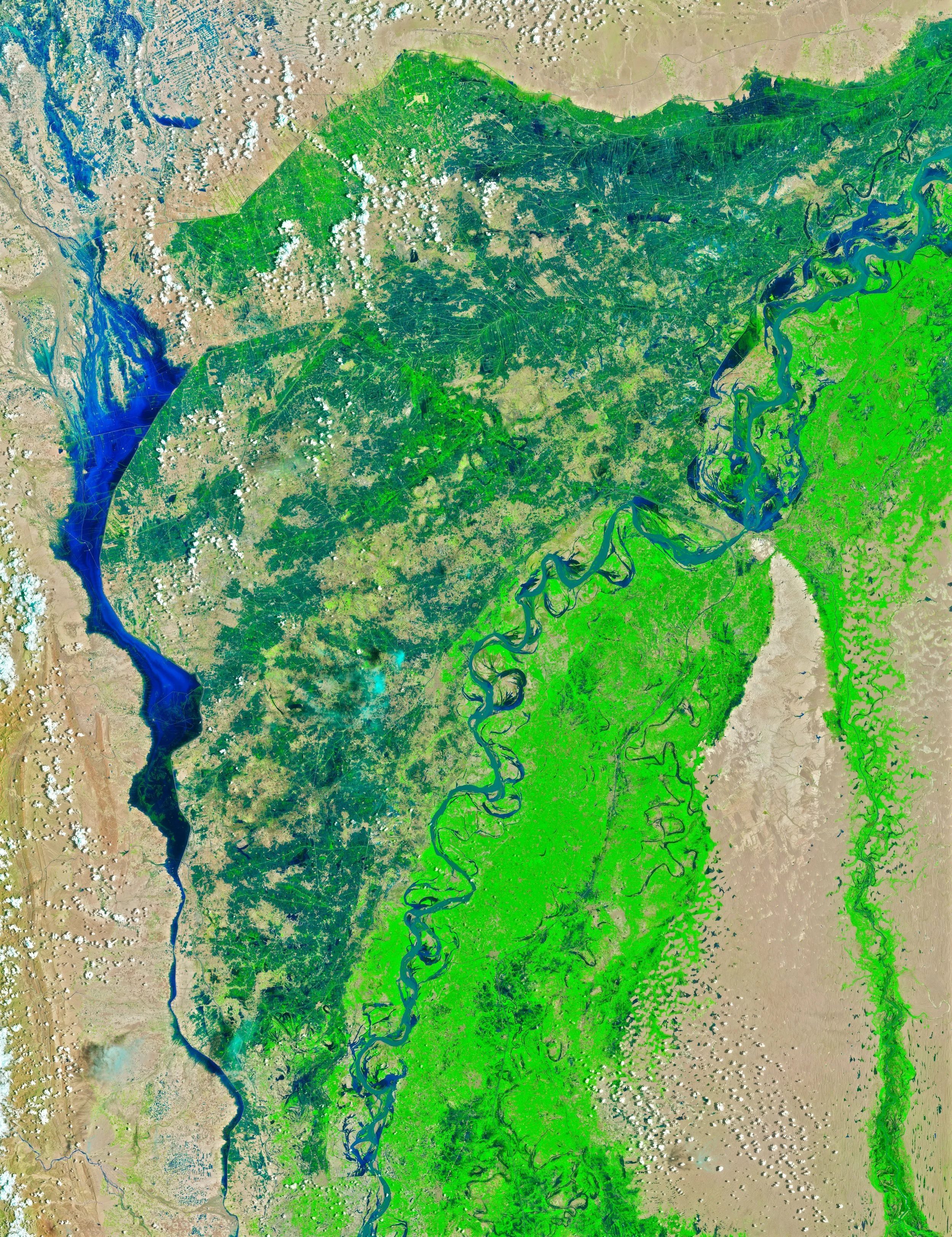
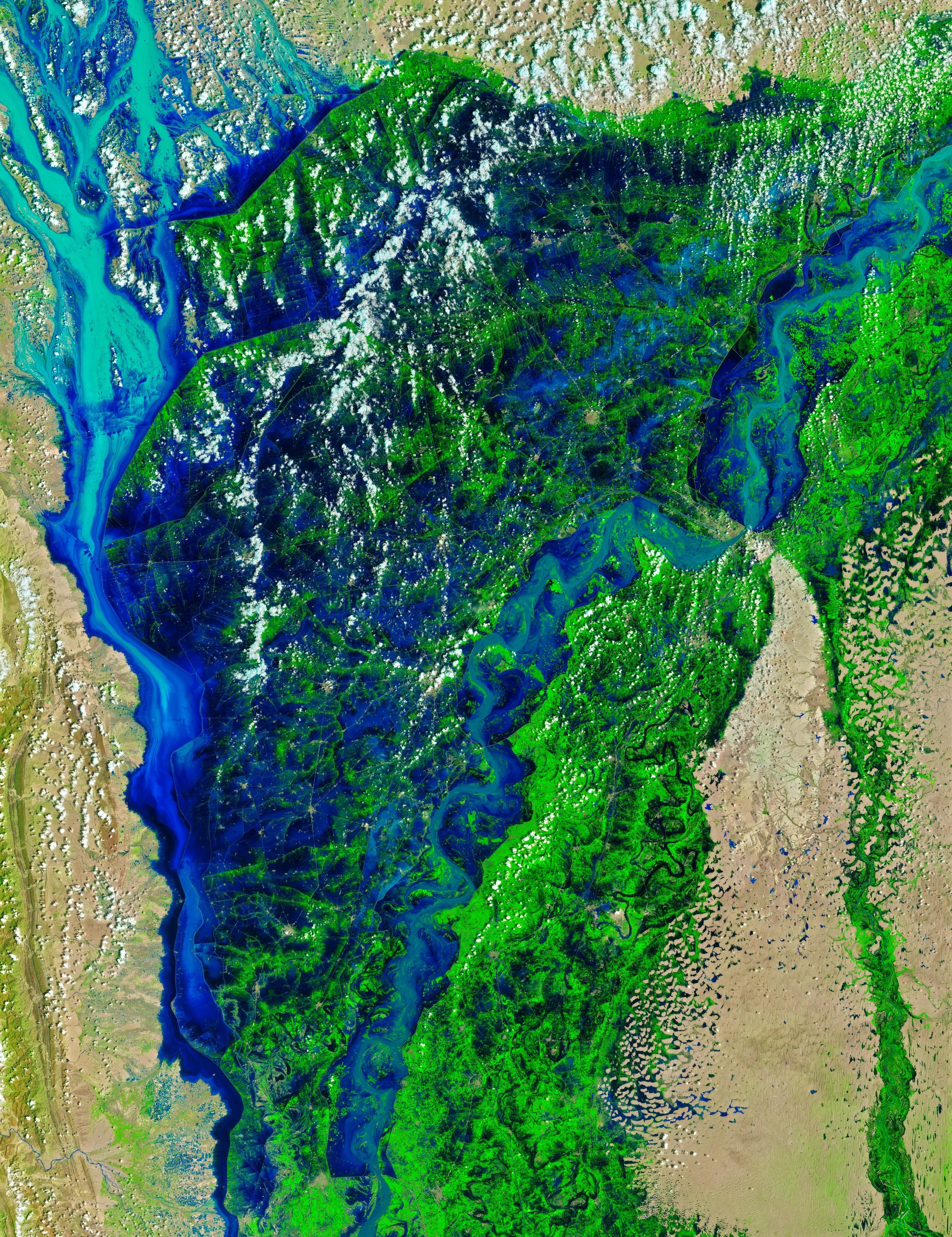
In the summer of 2022, Pakistan experienced what UN Secretary-General António Guterres called a "monsoon on steroids" - catastrophic flooding that submerged one-third of the country, affecting 33 million people and killing nearly 1,700. The scale of destruction was unprecedented: homes demolished, croplands ruined, livelihoods washed away. Pakistan contributes less than 1% of global carbon emissions - a fraction compared to the United States' 12.6% contribution and China's 32.88% annual share. Yet the country bore the devastating consequences of climate change driven almost entirely by other (wealthier) nations.
The science is unequivocal. According to a rapid attribution study by World Weather Attribution, the intense rainfall that triggered Pakistan's 2022 floods was made significantly worse by climate change. The rainfall was approximately 50-75% more intense than it would have been in a world without human-induced climate change. Of course, it is important to note that climate change did not act alone. Poor urban drainage systems, agricultural expansion into natural flood plains, and inadequate infrastructure planning amplified the disaster’s impact. Pakistan’s limited fiscal capacity to address these vulnerabilities stems partly from elite mismanagement, but also from structural constraints. Pakistan’s chronic debt dependency - cultivated through decades of IMF structural adjustment programs and leveraged by the United States to manufacture consent for military operations on Pakistani soil - has systemically hollowed out the state’s capacity to invest in climate resilience.
A 2022 study in The Guardian reported that global heating made Pakistan's floods "up to 50% worse," with researchers concluding that human-caused climate change significantly intensified the rainfall. Climate change has dramatically increased the frequency and intensity of extreme precipitation events in the region, with particularly severe implications for Pakistan given its geographical vulnerability.
As climate disasters intensify and displace millions, there appears to be a broader rightward shift that is prioritising nationalist rhetoric over global responsibility. Climate change is being quietly erased from political discourse in America and the effects of this are devastating. Donald Trump’s latest move across the Arctic region, is another example of the Trump administration’s relentless push for oil development ignoring both the climate crisis at large and the Indigenous communities who consider these public lands and waters sacred.
Sweeping policy shifts that squash climate science research and fail to protect critically important public lands reveal more than negligence - they expose an age-old imperialist attitude that reduces lands to commodities to be acquired.
Donald Trump may be a laughingstock for much of the left in the Global North but his dismissal of climate science has pushed environmental policy to the margins of national conversation and is no laughing matter. While Trump’s first term marked a pivotal rollback phase - making the US the first nation in the world to formally withdraw from the Paris Agreement and dismantling environmental protections - he is not the architect of climate policy retreat, but his presidency is, by far, the most aggressive anti-environmental presidency in American history. Corporations began delaying net-zero commitments and abandoning ESG language before his return to power, signaling a broader global shift. Biden’s term saw expansion through climate-framed industrial policy, yet globally, institutional implementation remains dangerously slow, undermined by US rollback and right-wing European opposition. What structured progress exists falls catastrophically short of preventing extreme weather conditions and disasters like Pakistan’s floods. We also cannot forget the impact of American hegemony (although the current war suggests it may be in decline) as US policy tends to set the standards for policy across the globe. In this political moment, caring about climate change has almost become unfashionable. The right has successfully reframed environmental concern as elite virtue-signaling, disconnected from "real" issues like economic anxiety and cultural preservation. Immigration - specifically, preventing it - has become the singular obsession, while the forces driving migration are ignored or denied.
This shift isn't confined to America. Across Europe and the Global North, right-wing parties are gaining ground on platforms that downplay climate action while amplifying fears about immigration.
Climate refugees
Here lies the dangerous irony at the heart of right-wing politics: the same forces most aggressively opposed to immigration are the ones accelerating the climate crisis that will create unprecedented waves of climate refugees.
Pakistan's floods offer a preview. The 2022 disaster displaced 33 million people - roughly equivalent to the entire population of Texas. Many have not returned home. Many cannot. Their land remains underwater or unusable, their homes destroyed, their livelihoods impossible to rebuild. These are not temporary evacuees waiting to return; they are people whose homes have been permanently erased by water made deadly through climate change.
Multiply Pakistan by dozens of vulnerable nations - Bangladesh, Mozambique, island nations facing submersion, regions of sub-Saharan Africa experiencing desertification - and the scale of coming displacement becomes clear. The World Bank estimates that by 2050, climate change could force 216 million people to migrate within their own countries. But internal migration is often just the first stage; when entire regions become uninhabitable, people move beyond borders.
The Global South - which contributed least to emissions - will produce the vast majority of climate refugees. And they will move north, toward the very nations whose historical emissions destroyed their homelands. The same politicians who campaign on "securing borders" and "stopping illegal immigration" simultaneously gut climate regulations and approve fossil fuel expansions. By denying climate change and blocking climate action, right-wing governments are ensuring the very immigration waves they claim to oppose. It's as if someone set their own house on fire while complaining about smoke coming through the windows. The refugees they fear are being created by the policies they champion.
Responsibility and the future of the climate crisis
Pakistan's experience forces an uncomfortable question for the Global North: if your emissions destroy someone's homeland, what responsibility do you bear when they seek refuge?
Pakistan's catastrophe offers a glimpse of our collective future. The waters that submerged one-third of the country won't recede permanently; climate models predict worse ahead. And Pakistan is just one nation among dozens facing similar fates. As climate change accelerates and right-wing governments dismantle climate policy, the waters will keep rising - literally in Pakistan, and metaphorically at borders worldwide - revealing the profound injustice at the heart of our climate crisis.
Article by Lina Idrees